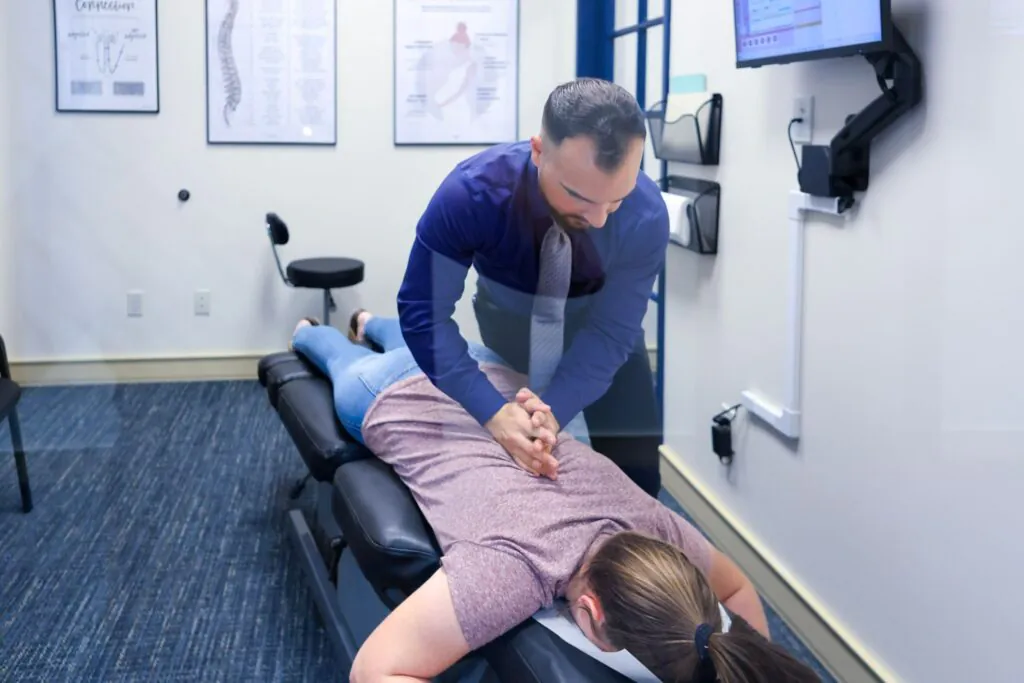

As a local chiropractor, I want to emphasize the importance of posture in maintaining a healthy back and overall well-being. Many people may not realize that their sitting habits and the setup of their workstations can significantly contribute to back pain. Poor posture can lead to discomfort that affects your daily activities and quality of life.
By making some simple adjustments and incorporating mindful practices into your routine, you can relieve tension and enhance your wellness. Let’s delve into some effective strategies for improving your posture and reducing back pain, while also exploring the crucial link between posture and discomfort. Understanding these concepts is a key step towards achieving better spinal health and a pain-free life.
Understanding the Connection Between Posture and Back Pain
As a local chiropractor, I want to help you understand the significant impact that your posture can have on your back health. Many people don’t realize that slouching or leaning forward can create unnecessary strain on your spine, which can lead to discomfort and pain over time.
When your posture is misaligned, your muscles and ligaments have to work extra hard to support your body, resulting in fatigue and tension. By maintaining good posture, you can distribute your body weight more evenly and reduce the strain on your back.
Proper alignment allows your spine to maintain its natural curves, which promotes better blood flow and oxygen delivery to your muscles. When you become more mindful of your posture, you encourage a balanced and stable structure, which is vital for your overall well-being.
As your chiropractor, I’m here to guide you in recognizing the importance of good posture and how it contributes to your healing journey. Together, we can work on techniques to improve your posture, alleviate discomfort, and support your body’s natural ability to heal.
Assessing Your Current Posture
As your local chiropractor, I want to help you understand the importance of good posture and how it can significantly impact your overall health.
The first step in improving your posture is to identify any habits that may be contributing to misalignment or discomfort. Utilizing posture assessment tools can provide valuable insights into specific areas that require attention.
Let’s take a closer look at how you can effectively assess your current posture and make the necessary adjustments to promote better alignment and well-being.
Identify Poor Posture Habits
As your local chiropractor, I often see patients who are unaware of how their daily habits contribute to poor posture and back pain. Have you ever noticed yourself slouching or hunching over while working at your desk? Recognizing these poor posture habits is crucial for alleviating discomfort and promoting overall wellness.
Take a moment to evaluate how you position your body during your daily activities. Are your shoulders rounded, or does your head tend to jut forward? When you stand, do you lock your knees or sway your hips? These seemingly small habits can have a significant impact on your spinal health.
While walking, are you able to keep your head held high and your back straight? It’s also important to consider your seating arrangement. Are your feet flat on the floor, or do you often find yourself crossing your legs?
By regularly assessing these habits, you can identify areas that may need improvement. Recognizing these tendencies is the first step toward correcting them, which can lead to reduced discomfort and a better posture.
As you become more aware of your body mechanics, you can actively take steps to enhance your well-being. If you need guidance on improving your posture or managing pain, I’m here to help!
Utilize Posture Assessment Tools
As a local chiropractor, I want to help you understand the importance of posture and how it impacts your overall health. Many people are unaware of their poor posture habits, but utilizing posture assessment tools can give you valuable insights into your spinal alignment.
Tools such as posture apps, digital scanners, and even simple mirrors can help you identify specific areas that may need improvement.
When assessing your posture, I encourage you to pay close attention to key aspects like the curvature of your spine, the alignment of your shoulders, and the positioning of your head. Taking photos of yourself in various postures can also be a helpful way to track your progress over time.
Regularly evaluating your posture not only highlights changes but also motivates you to adjust your habits. By gaining a better understanding of your posture, you’ll be more equipped to make necessary adjustments that can alleviate back pain and enhance your overall well-being.
Ergonomic Workspace Setup
As your local chiropractor, I want to emphasize the importance of creating an ergonomic workspace to help alleviate back pain and improve your overall comfort during those long hours of sitting.
It all starts with your chair—make sure it’s adjusted so that your feet rest flat on the floor, with your knees bent at a 90-degree angle. A chair with lumbar support is essential to maintain the natural curve of your spine, which can prevent discomfort and promote better posture.
Next, let’s talk about your desk setup. Position it so that your elbows are at a comfortable height, allowing your arms to rest relaxed and parallel to the ground. Your computer screen should be at eye level and about an arm’s length away from you. This alignment is crucial to prevent any neck strain, which we often see in our practice.
If you frequently refer to documents, consider using a document holder. This keeps your papers at a comfortable reading angle, reducing the need to bend or twist awkwardly.
Also, keep your keyboard and mouse within easy reach to avoid unnecessary stretching, which can lead to tension in your shoulders and back.
Remember, taking regular breaks to stretch and change positions is vital. This not only helps alleviate discomfort but also promotes better posture throughout your workday—something we encourage in our chiropractic care.
By following these tips, you can create a more supportive workspace that aligns with the principles of natural healing and wellness.
If you have any questions or need further guidance, feel free to reach out during your next visit!
The Importance of Core Strengthening
As a local chiropractor, I want to emphasize the importance of strengthening your core for maintaining a healthy back and improving your overall posture. A strong core is crucial because it supports your spine and helps distribute weight evenly, which reduces strain on your back muscles.
When your core is weak, you may find yourself struggling with poor posture and experiencing back pain. By incorporating core-strengthening exercises into your routine, you can significantly enhance your stability and alignment.
Here are some key benefits of core strengthening that I want you to consider:
- Improved balance: A strong core enhances your stability, making daily activities feel easier and safer.
- Reduced back pain: By supporting your spine, a strong core can alleviate discomfort and help prevent further issues.
- Better posture: Engaging your core encourages proper alignment of your body, which is vital for overall health.
- Enhanced athletic performance: A strong core boosts your efficiency in physical activities, helping you perform better.
- Injury prevention: Strengthening your core protects your back and other muscles from unnecessary strain, reducing the risk of injuries.
Incorporating these exercises into your lifestyle can lead to lasting benefits and is an integral part of maintaining your overall well-being.
If you have any questions about how to get started or how chiropractic care can support your journey to a stronger core, feel free to reach out!
Stretching and Flexibility Exercises
As your local chiropractor, I want to emphasize the importance of stretching for maintaining flexibility and preventing back pain.
Many of my patients are surprised to learn how crucial specific flexibility exercises can be in alleviating tension and enhancing overall posture. Incorporating these exercises into your daily routine can make a significant difference in your well-being.
Let’s take a closer look at some effective stretches that can truly improve how you feel. Your body deserves the care and attention that stretching provides, and I’m here to guide you through it.
Importance of Stretching
As a local chiropractor, I want to emphasize the vital role that regular stretching plays in your overall health and well-being. Many of my patients are often unaware of how stretching can significantly enhance flexibility and alleviate back pain. By incorporating stretching into your daily routine, you can loosen tight muscles, improve circulation, and maintain proper posture.
When you prioritize stretching, you open the door to a multitude of benefits that can greatly improve your quality of life:
- Increases blood flow to muscles: This is crucial for delivering nutrients and oxygen, promoting muscle recovery and function.
- Enhances overall flexibility: Greater flexibility can lead to improved performance in daily activities and exercise, reducing the risk of injury.
- Reduces muscle tension and stiffness: By regularly stretching, you can relieve built-up tension, which is often a contributor to discomfort and pain.
- Improves range of motion: Increased range of motion can enhance your ability to move freely, whether at work or during physical activities.
- Aids in stress relief: Stretching can also have a calming effect on the mind, helping to reduce stress and promote a sense of relaxation.
Incorporating stretching into your routine is a natural and effective way to support your body’s health. As we work together on your chiropractic care journey, I encourage you to embrace these practices for a healthier, more flexible you.
Recommended Flexibility Exercises
As a local chiropractor, I want to share some effective flexibility exercises that can’t only enhance your flexibility but also help alleviate back pain.
One great exercise to start with is the cat-cow stretch, which is excellent for promoting spinal health. To perform this stretch, get on all fours, arch your back while inhaling to create a gentle curve, and then round your back while exhaling.
Another beneficial exercise is the seated forward bend. Sit down with your legs extended in front of you, gently reach for your toes, and hold that position for 20 to 30 seconds. This stretch helps elongate your spine and hamstrings.
The child’s pose is also highly effective; it stretches the lower back and hips while promoting relaxation. Simply kneel on the floor, sit back on your heels, and stretch your arms forward while lowering your torso.
Lastly, don’t forget the standing quadriceps stretch. While standing, pull one foot towards your glutes to stretch the front of your thigh. It’s perfectly fine to use a wall or chair for support if needed.
Incorporating these exercises into your routine can greatly improve your flexibility and significantly reduce discomfort in your back.
Mindfulness and Posture Awareness
As a local chiropractor, I want to share with you how important it’s to be mindful of your posture for maintaining a healthy back. Many people don’t realize that the way we sit, stand, and move can have a significant impact on our spinal health.
By practicing mindfulness, you can become more aware of your body’s alignment throughout the day, which can help reduce strain and discomfort in your back. Here are some practical tips to enhance your posture awareness:
- Check your alignment: Take a moment throughout your day to assess how you’re sitting, standing, or walking. Are your shoulders relaxed? Is your spine straight? Simple adjustments can make a big difference.
- Take breaks: It’s essential to stand up, stretch, and reset your posture at least once every hour. This helps relieve tension and keeps your body in alignment.
- Engage your core: Activating your abdominal muscles provides support to your spine, which can prevent back pain. Think of your core as a natural brace for your back.
- Use reminders: Consider setting alarms on your phone or using apps designed to remind you to check your posture. These gentle nudges can help you develop better habits over time.
- Practice deep breathing: Focusing on your breath can help you relax and maintain a more aligned position. Deep breathing encourages mindfulness and can reduce stress on your body.
By incorporating these practices into your daily routine, you can improve your posture and, in turn, support your overall spinal health.
The Role of Proper Footwear
As a local chiropractor, I want to emphasize the crucial role that proper footwear plays in maintaining your overall health, especially when it comes to your posture and back pain prevention.
Many people aren’t aware that the shoes they choose can significantly impact their body alignment and strain on their back.
When selecting footwear, look for shoes that provide adequate arch support, cushioning, and a proper fit. This is essential because well-supported feet contribute to the alignment of your entire musculoskeletal system.
Unfortunately, high heels and overly flat shoes can disrupt your balance and lead to discomfort or even pain.
Choosing the right shoes isn’t just about comfort for your feet; it’s about supporting your spine and reducing stress on your back. If you find yourself on your feet for long periods, I recommend considering orthotic inserts. These can enhance comfort and provide additional support, which is particularly beneficial for your spine.
It’s also important to regularly check your shoes for wear and tear. Worn-out shoes can lose their supportive qualities over time, which can lead to issues with your posture and back pain.
By prioritizing proper footwear, you can take an important step toward improving your posture and reducing your risk of back pain.
As your chiropractor, I’m here to guide you on your journey to better health, and choosing the right footwear is a vital part of that process.
Incorporating Movement Throughout the Day
As a local chiropractor, I want to share the importance of incorporating movement throughout your day to help manage back pain and improve your posture. Staying active is key to strengthening your muscles and maintaining flexibility, both of which are vital for a healthy back.
Here are some simple ways to weave movement into your daily routine:
- Take short breaks every 30 minutes to stand and stretch your body. This can help alleviate tension and promote better circulation.
- During phone calls, consider walking around your home or office. This not only keeps you active but can also stimulate creativity and focus.
- Whenever possible, choose stairs over elevators. This small change can strengthen your legs and improve your cardiovascular health.
- Integrate simple stretches or yoga poses between tasks. This practice can enhance your flexibility and relieve tension in the spine.
- Engage in light activities, such as gardening or playing with your pets. These enjoyable movements can keep you active without feeling like a chore.
By incorporating these movements into your daily life, you can take proactive steps toward better back health, which may reduce your reliance on chiropractic care and promote natural healing.
Conclusion
As your local chiropractor, I want to emphasize the importance of good posture in alleviating back pain. By making some simple adjustments in your daily habits, you can significantly improve your comfort. Start by regularly checking your alignment—this means being aware of how you sit, stand, and move throughout the day.
Setting up your workstation ergonomically is crucial. Ensure that your chair supports your lower back and that your computer screen is at eye level to prevent strain. Strengthening your core with specific exercises can also provide added support for your spine, which is essential for long-term relief.
Don’t underestimate the power of stretching! Incorporating regular stretches into your routine can help keep your muscles flexible and reduce tension in your back. Additionally, it’s important to stay mindful of your posture, whether you’re at work, home, or on the go.
Movement is key to maintaining a healthy back, so try to incorporate short walks or gentle exercises into your day. And let’s not forget about footwear—wearing supportive shoes can make a big difference in how your body feels.
Remember, small changes can lead to significant improvements in your back health over time. If you’re looking for personalized advice or treatment options, I’m here to help guide you on your journey to a healthier spine.