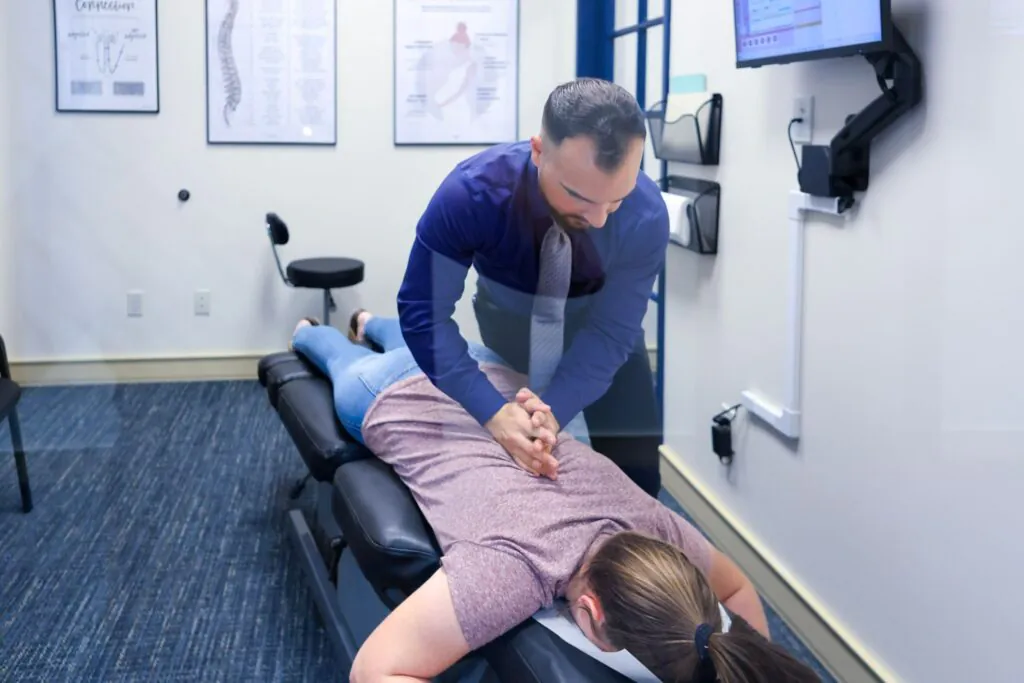

As your local chiropractor, I want to emphasize just how crucial your posture is in managing and alleviating back pain. When you sit or stand with proper alignment, you significantly reduce the strain on your spine and surrounding muscles, which can enhance the effectiveness of any treatment we pursue together. Unfortunately, many individuals unknowingly develop habits that can exacerbate their discomfort. By understanding these nuances, you may unlock better strategies for pain relief. Are you ready to discover how small adjustments to your posture can lead to significant improvements in your overall well-being? Let’s work together to create a healthier alignment for your spine and a pain-free lifestyle.
Understanding Posture and Its Importance
As a local chiropractor, I want to emphasize how crucial posture is for your overall health and well-being. Many people tend to overlook it, but good posture goes beyond just standing tall; it plays a significant role in how your body operates on a daily basis.
When you maintain proper alignment, you can alleviate unnecessary strain on your muscles and joints, which can lead to reduced discomfort and a lower risk of injury.
You may not be aware, but your posture also influences your energy levels and mood. Slouching can leave you feeling fatigued and less confident, whereas standing or sitting up straight can enhance your self-esteem and focus.
By becoming more mindful of your posture, you empower yourself to make healthier lifestyle choices.
Incorporating posture awareness into your daily routine can be a game changer. Whether you’re working at a desk or on the move, even small adjustments can lead to significant improvements in your comfort and overall health.
So, I encourage you to pay close attention to your posture; it’s a vital component of your journey towards better well-being.
As your chiropractor, I’m here to support you in achieving and maintaining optimal posture for a healthier life.
The Anatomy of the Spine and Posture
As a local chiropractor, I want to emphasize the importance of your spine and how it directly impacts your posture and overall well-being. The spine is a remarkable and intricate structure that serves as the backbone of your body—literally! Understanding its anatomy is crucial for recognizing how maintaining good posture can help prevent discomfort and pain.
When you have a healthy spine, it allows for proper alignment, which in turn supports your entire body. Many people are unaware of the strong connection between spinal health and posture. By taking steps to improve both, you can experience a significant enhancement in your quality of life.
In our practice, we focus on educating our patients about the benefits of chiropractic care and natural healing methods that support spinal health. Together, we can work on strategies to improve your posture, alleviate discomfort, and promote a healthier lifestyle.
Let’s explore the wonders of your spine and how we can keep it functioning at its best!
Spine Structure Overview
As a chiropractor, I want to share with you just how incredible your spine is and why it’s vital for your overall health. The spine is made up of 33 vertebrae, organized into five key regions: the cervical, thoracic, lumbar, sacral, and coccygeal areas. Each vertebra is separated by intervertebral discs that act like shock absorbers, providing both flexibility and movement.
Your spine isn’t just a column of bones; it has a natural curvature—known as cervical lordosis, thoracic kyphosis, and lumbar lordosis—that helps to evenly distribute weight and maintain balance. Surrounding and supporting your spine are ligaments and muscles that enhance its stability and mobility.
When you practice good posture, you help reduce unnecessary strain on these essential structures, promoting better spinal health.
As your chiropractor, I believe it’s crucial for you to understand the anatomy of your spine. This knowledge empowers you to make informed decisions about your posture and how to effectively address any back pain you may be experiencing.
Together, we can work towards maintaining a healthy spine and overall well-being through natural healing methods.
Posture’s Role in Alignment
As a local chiropractor, I want to emphasize the vital role that good posture plays in maintaining proper spinal alignment. When you sit or stand with your back straight, it allows your vertebrae to stack naturally and work together as they should. This alignment reduces excessive strain on your muscles and ligaments, which is crucial for preventing discomfort and pain over time.
Unfortunately, poor posture can lead to misalignments in your spine, causing various issues that may contribute to chronic pain. By simply being aware of your posture throughout the day, you can help ensure your spine stays properly aligned, which in turn enhances your overall well-being.
I encourage you to practice good posture during your daily activities. This not only helps distribute your weight evenly, reducing the likelihood of injury, but it also supports your spinal health.
Common Postural Mistakes That Worsen Back Pain
As your local chiropractor, I want to share some insights on how common postural mistakes can significantly worsen your back pain. Many individuals may not realize that their everyday habits, like slouching in a chair or while standing, can put excessive strain on the spine. This hunched posture can lead to discomfort and increase pain levels.
Another area to consider is your workstation setup. If your chair height or computer screen isn’t correctly adjusted, you may find yourself leaning forward or craning your neck, both of which can exacerbate back pain. It’s crucial to ensure that your workspace promotes good posture to alleviate strain on your back.
I also want to highlight the impact of crossing your legs when sitting. This seemingly harmless habit can misalign your pelvis, leading to muscle tension and discomfort.
When you walk, being unaware of your gait can lead to overarch your lower back, further straining your muscles.
Additionally, if you spend long hours sitting without taking breaks, your back muscles may become stiff, contributing to pain.
By being mindful of these common postural mistakes and making corrections, you can take significant steps towards improving your back pain and enhancing your overall comfort.
The Role of Posture in Pain Perception
As your local chiropractor, I want to emphasize how crucial your posture is in relation to pain perception.
Many people don’t realize that poor alignment can lead to increased muscle tension, which can amplify any discomfort you might be feeling.
By understanding the link between your posture and how sensitive you’re to pain, you can take proactive steps to enhance your overall well-being.
Through chiropractic care, we can work together to improve your posture, alleviate tension, and ultimately help you feel better in your daily life.
Posture and Pain Sensitivity
As a chiropractor, I want to emphasize how crucial posture is in shaping your experience of pain. Many people aren’t aware that poor alignment can actually increase your sensitivity to discomfort. When you slouch or hunch over, it can create a feedback loop where pain feels more intense than it should. This misalignment places extra stress on your muscles and joints, which can heighten the signals of pain your body sends to your brain.
On the other hand, when you maintain a more upright posture, you often find that your discomfort diminishes. By being mindful of your alignment, you can significantly reduce pain sensitivity and enhance your overall well-being.
It’s important to take breaks throughout your day to correct your posture, as these small adjustments can lead to a substantial difference in how you perceive and react to pain. Embracing better posture is an essential step towards a healthier, more comfortable lifestyle, and it’s something I encourage all my patients to focus on as part of their journey to natural healing.
Impact on Muscle Tension
As your local chiropractor, I want to emphasize the importance of maintaining proper alignment for your overall health and well-being.
When your posture is correct, you can significantly reduce muscle tension, which is crucial for how your body experiences pain. By being mindful of your posture, you can help relieve unnecessary strain on your muscles, making it easier to manage discomfort.
Let me share three key ways that good posture can positively affect muscle tension:
- Balanced Load: When your spine is properly aligned, your muscles can work more efficiently. This means that weight is distributed evenly, which helps to prevent overexertion of certain muscle groups.
- Reduced Fatigue: Maintaining good posture lowers the amount of effort your muscles need to exert. This reduction in effort allows your muscles to relax and prevents fatigue, making daily activities feel less taxing.
- Enhanced Circulation: Proper alignment supports better blood flow throughout your body. Improved circulation not only reduces stiffness but also aids in muscle recovery, helping you feel more energized and less tense.
By focusing on your posture, you can empower yourself to manage pain and enhance your overall quality of life.
If you have any questions or need guidance on how to achieve better alignment, don’t hesitate to reach out!
Alignment and Discomfort Levels
As a local chiropractor, I want to share some important insights about how alignment can significantly impact your experience with discomfort and pain. Many people may not realize that the way your spine is aligned plays a critical role in how you perceive pain. When your spine is in proper alignment, it helps distribute weight evenly across your body, which reduces strain on your muscles and ligaments.
However, if you find yourself slouching or hunching over, this can create additional pressure on your back, leading to an increase in discomfort. It’s quite common to experience that poor posture not only exacerbates existing pain but can also introduce new sensations of discomfort.
By making a conscious effort to maintain a neutral spine position, you can help alleviate tension and improve your overall pain experience. Simple changes, such as using ergonomic furniture or practicing good body mechanics, can have a remarkable impact on how you perceive discomfort in your daily life.
At our practice, we emphasize the importance of alignment in pain management. If you’re looking to enhance your well-being and reduce discomfort, focusing on your posture is a vital step.
Together, we can work on strategies to help you achieve better alignment and, consequently, a more comfortable life.
Exercises to Improve Posture for Back Pain Relief
As a local chiropractor, I want to share how improving your posture can significantly alleviate back pain. Proper posture helps balance your spine and reduces strain on your muscles, which is essential for overall well-being.
Incorporating specific exercises into your daily routine can enhance your posture and bring about much-needed relief. Here are three effective exercises I recommend to help you get started:
- Wall Angels: Stand with your back against a wall, arms lifted to a 90-degree angle. Gradually slide your arms up and down the wall, ensuring that your elbows and wrists maintain contact with the surface. This exercise strengthens your upper back and promotes better posture.
- Cat-Cow Stretch: Position yourself on all fours and alternate between arching your back (the cat position) and gently dropping your belly while lifting your head (the cow position). This dynamic stretch mobilizes your spine and enhances flexibility, which can be particularly beneficial for those experiencing discomfort.
- Chin Tucks: Whether sitting or standing, maintain a tall posture and gently tuck your chin towards your chest, creating a subtle double chin. Hold this position for a few seconds. This simple movement helps to strengthen your neck muscles and improve head alignment, crucial for reducing tension and pain.
By incorporating these exercises into your routine regularly, you can improve your posture and experience relief from back pain.
Ergonomic Adjustments for Better Posture
As a local chiropractor, I want to share the importance of making ergonomic adjustments in your workspace to improve your posture and alleviate back pain.
It all begins with your desk setup—ensure that your workspace is tailored to support your body properly. Choosing the right chair is vital; it should offer adequate support for your spine.
In addition to a well-arranged workspace, I encourage you to incorporate regular stretching and movement throughout your day. These practices are essential for maintaining flexibility and comfort, and they can significantly enhance your overall well-being.
Desk Setup Optimization
As a local chiropractor, I want to share some important insights about setting up your desk to promote better spinal health and reduce the risk of back pain. Many people don’t realize that their workspace can greatly impact their overall well-being.
Here are three essential adjustments to consider for a healthier desk setup:
- Monitor Height: It’s crucial to position your monitor so that the top of the screen is at or just below eye level. This simple adjustment helps maintain a neutral neck position, reducing strain on your spine.
- Keyboard and Mouse Placement: To support your posture, keep your keyboard and mouse close enough that you can maintain relaxed shoulders and keep your elbows at a 90-degree angle. This will help prevent unnecessary tension in your upper body.
- Desk Surface: Check that your desk surface is at elbow height when you’re seated. This alignment allows your arms to rest comfortably, promoting better posture and reducing the risk of discomfort.
By making these small changes to your desk setup, you can take significant steps toward improving your comfort and preventing back pain.
Chair Selection Criteria
As a local chiropractor, I want to emphasize the importance of selecting the right chair for your workspace to support your overall health and well-being. A well-chosen chair can play a significant role in maintaining good posture and alleviating back pain, which is something we see frequently in our practice.
When evaluating a chair, look for one with adjustable height. This feature allows your feet to rest flat on the floor, which is crucial for maintaining proper alignment of your spine. Additionally, a chair that offers excellent lumbar support is essential; it will help maintain the natural curve of your lower back, reducing strain during long hours of sitting.
It’s also important to consider the seat depth. A chair that allows you to sit back comfortably while leaving a few inches of space between the edge of the seat and the back of your knees can prevent discomfort and promote circulation.
Adjustable armrests are another key feature; they enable your shoulders to relax and can help reduce tension in your upper back and neck.
Lastly, a chair with a swivel base is beneficial. It allows you to reach different areas of your workspace easily, minimizing the risk of straining your back or neck when turning to access materials.
Stretching and Movement
As a local chiropractor, I want to emphasize the importance of incorporating regular stretching and movement into your daily life to improve your posture and alleviate back pain.
Here are three effective strategies to help you get started on your journey toward better spinal health:
- Daily Stretching: Dedicate just 10 minutes each morning to perform stretches specifically targeting your back, hips, and shoulders. Simple movements such as the cat-cow stretch or child’s pose can significantly benefit your spine and overall flexibility.
- Take Regular Breaks: I recommend setting a timer to remind yourself to stand up and move every hour. Even a brief walk around your workspace can help maintain proper alignment and reduce muscle stiffness, which is crucial for your spinal health.
- Incorporate Strengthening Exercises: Aim to include core-strengthening exercises, like planks or bridges, into your routine two to three times a week. A strong core is essential for supporting your spine and enhancing your posture, ultimately leading to a healthier back.
By integrating these practices into your daily routine, you can take proactive steps toward better spinal health and overall well-being.
The Impact of Sedentary Lifestyles on Back Pain
As a local chiropractor, I want to address a growing concern that many of my patients face: the relationship between sedentary lifestyles and back pain. In today’s world, it’s common to find ourselves sitting for long periods, often glued to screens, and this behavior can have serious implications for our spinal health.
When you sit for extended durations, it can lead to weakened core muscles and poor posture, which places additional stress on your spine. If you’ve ever felt discomfort after a long day at your desk, it’s not just in your head—it’s a real consequence of prolonged sitting.
Remaining inactive can also reduce blood flow to your muscles and ligaments, hindering their ability to recover from daily stress. This can exacerbate existing back issues or even contribute to the development of new ones.
I encourage you to take proactive steps to counteract these effects. Simple changes, like incorporating regular breaks into your daily routine, can make a significant difference. Stand up, stretch, or take a brisk walk every hour to help break the cycle of extended sitting.
Mindfulness and Posture: A Holistic Approach
As your local chiropractor, I want to emphasize the importance of mindfulness in improving your posture and alleviating back pain. Being aware of your body and how it aligns can help you develop habits that support a healthier spine.
Here are some strategies to integrate mindfulness into your daily routine:
- Body Check-ins: Throughout your day, take a moment to evaluate your posture. Are your shoulders rounded forward? Is your spine in alignment? If you notice any misalignment, gently adjust your posture to promote better spinal health.
- Breath Awareness: Incorporating deep and intentional breathing can significantly relax your muscles and help maintain a neutral spine position. By focusing on your breath, you not only relieve tension but also enhance your awareness of your posture.
- Mindful Movement: Whether you’re sitting or standing, it’s crucial to move with intention. Engage your core, align your body properly, and make each movement a conscious effort. This mindfulness in movement can prevent strain and promote better overall alignment.
How Physical Therapy Addresses Posture Issues
When it comes to addressing posture issues, chiropractic care can be a transformative approach. As your local chiropractor, my goal is to evaluate your posture and uncover the underlying causes of any discomfort you may be experiencing.
Together, we’ll create a customized treatment plan that may include spinal adjustments to improve alignment, as well as exercises to strengthen weak muscles and stretch tight ones. This holistic balance helps your body align more naturally, alleviating strain on your back and promoting overall wellness.
In addition to adjustments and exercises, I’ll educate you on proper body mechanics. It’s essential to understand how to sit, stand, and move effectively throughout your daily activities.
I can also provide guidance on ergonomic adjustments for your workspace, ensuring that you maintain good posture while you work.
As you progress through your treatment, I’ll closely monitor your improvements and adapt your program as necessary. This ongoing support not only helps alleviate pain but also empowers you to maintain a healthier posture in the long run.
Long-Term Strategies for Maintaining Good Posture
As a local chiropractor dedicated to helping you achieve optimal health, I want to share some essential strategies for maintaining good posture over the long term. Integrating these healthy habits into your daily routine can significantly support your spine and help alleviate discomfort:
1. Strengthen Your Core Muscles: Engaging in targeted exercises for your abdominal and back muscles is vital. A strong core acts as a natural support system for your spine, promoting better posture and reducing the risk of injury.
2. Practice Mindfulness: It’s important to regularly check in with your body throughout the day. Are you aware of your posture? If you notice yourself slouching, take a moment to consciously align your body.
Aim to keep your ears, shoulders, and hips in a straight line, whether you’re sitting or standing.
3. Invest in Ergonomic Furniture: Consider the impact of your workspace on your posture. Choosing ergonomic furniture, like a supportive chair and an appropriately sized desk, can make a significant difference.
Ensure your computer screen is at eye level and that your feet can rest flat on the floor to promote a healthy posture.
By incorporating these strategies into your daily life, you can foster better spinal health and overall well-being.
Conclusion
As your local chiropractor, I want to emphasize just how crucial your posture is in managing back pain and ensuring successful treatment outcomes. Many people may not realize that proper spinal alignment can significantly alleviate discomfort and enhance your overall health. By correcting common postural mistakes, we can reduce strain on your back and promote healing.
Incorporating specific exercises and mindfulness techniques into your daily routine can help not only relieve current pain but also prevent future issues from arising. It’s important to understand that maintaining good posture is not merely a quick fix; it’s a long-term commitment to achieving a healthier, pain-free life. Together, we can work towards improving your posture and enhancing your well-being through natural healing methods.