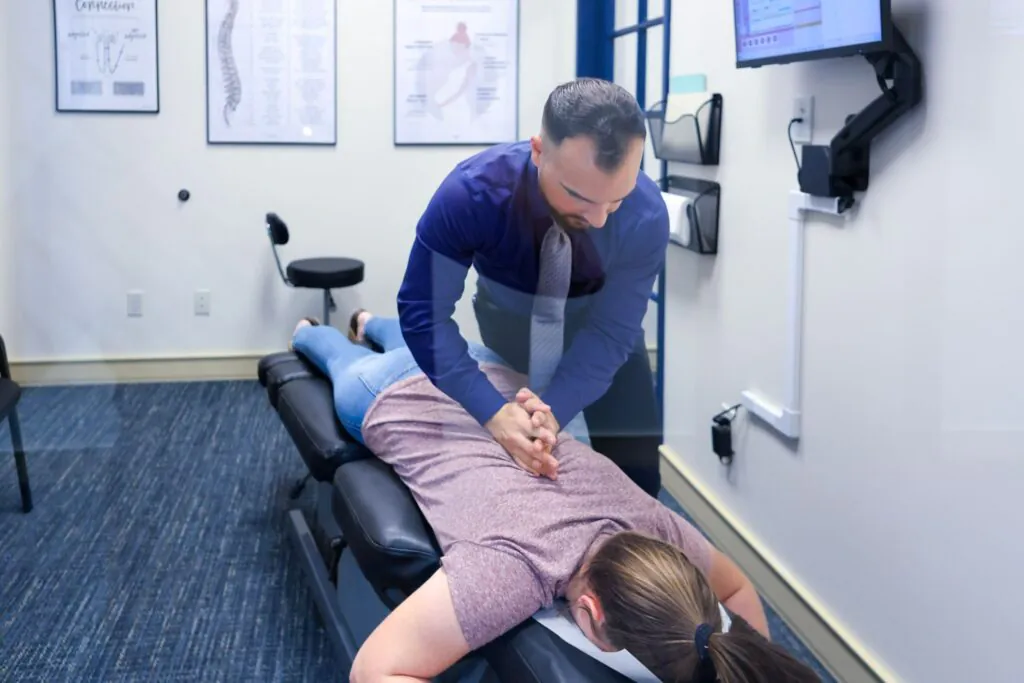

If you suffer from migraines, you may not realize how closely neck pain is linked to your symptoms. Addressing neck discomfort can lead to fewer attacks and a better quality of life. As a local chiropractor, I’m here to share some effective, natural solutions that can help ease neck strain and enhance your overall comfort.
Understanding the Connection:
Many migraine sufferers experience neck pain, which can be a contributing factor to their headaches. Poor posture, muscle tension, and spinal misalignments can all play a role in this discomfort. By focusing on spinal health and alignment, we can often alleviate both neck pain and migraine symptoms.
Chiropractic Care: The Natural Solution:
Chiropractic care is a safe and effective way to address neck pain without the need for medications or surgeries. By using gentle adjustments, we can help restore proper alignment to your spine, reduce tension in your neck muscles, and improve blood flow, which may lead to fewer migraines.
Practical Tips for Relief:
- Maintain Good Posture: Pay attention to your posture, especially if you spend long hours sitting at a desk. Keeping your head aligned with your spine can reduce strain on your neck.
- Stay Hydrated: Dehydration can trigger migraines, so make sure you’re drinking enough water throughout the day.
- Manage Stress: Stress can contribute to neck tension and migraines. Consider incorporating relaxation techniques such as deep breathing, yoga, or meditation into your routine.
- Regular Chiropractic Visits: Schedule regular appointments with your chiropractor to address any spinal misalignments and keep your neck healthy.
- Gentle Neck Stretches: Incorporate gentle stretches into your day to relieve tension in your neck. Simple side-to-side and forward-backward movements can help keep your neck flexible.
By focusing on these strategies and prioritizing your spinal health through chiropractic care, you can take control of your neck pain and potentially reduce the frequency of your migraines. Remember, natural wellness is about finding solutions that work for your body, and chiropractic care can be a vital part of your journey towards optimal health.
Key Takeaways
- Chiropractic care is a powerful tool for addressing neck pain, which can significantly reduce the frequency of migraines. By realigning the spine and relieving tension in the neck muscles, chiropractic adjustments help create a harmonious balance within your body, leading to fewer migraine attacks.
- Maintaining good posture and making ergonomic adjustments at your workspace is crucial. Simple changes, like ensuring your computer screen is at eye level and sitting with your back supported, can keep your spine aligned and reduce neck strain that might trigger migraines.
- Regular neck stretching and strengthening exercises are vital for improving flexibility and resilience. Simple stretches, like tilting your head side to side and gently rolling your shoulders, can help keep your neck muscles relaxed and less susceptible to tension that causes migraines.
- Incorporating stress management techniques into your routine, such as meditation and deep-breathing exercises, can be beneficial. These practices help alleviate muscle tension in your neck, which is often a contributing factor to both neck pain and migraines.
- Don’t forget the importance of staying hydrated and eating a balanced diet! Proper hydration and nutritious foods support spinal health and help reduce inflammation in your body. This can be an effective way to manage migraine symptoms naturally and promote overall wellness.
By embracing chiropractic care and these practical tips, you can take control of your neck pain and migraines while paving the way for a healthier, more vibrant life.
Understanding the Connection Between Neck Pain and Migraines
As a chiropractor, I want to shed light on an important connection that many people may not be aware of: the relationship between neck pain and migraines. You may be surprised to learn that the muscles and nerves in your neck can significantly impact the frequency and severity of your migraines.
When there’s tension or strain in your neck, it can trigger migraine symptoms or worsen existing headaches. Factors such as poor posture, stress, or previous injuries can lead to neck pain, creating a cycle of discomfort that can be hard to break.
The cervical spine, which is the portion of your spine in your neck, houses critical nerves that connect to your head. If these nerves become irritated, they can send signals that contribute to the onset of migraines. This is why understanding the connection between neck health and headaches is crucial.
By addressing neck pain through chiropractic care, you can potentially reduce the frequency and intensity of your migraines. Regular chiropractic adjustments can help alleviate tension, improve alignment, and promote overall spinal health.
Here are some tips to support your neck health and overall well-being:
- Practice Good Posture: Be mindful of your posture, especially when sitting at a desk or using your phone. Keep your shoulders back and your head aligned with your spine.
- Stay Active: Engage in regular physical activity to strengthen your neck and back muscles. Simple stretches can also help relieve tension.
- Manage Stress: Incorporate relaxation techniques such as deep breathing, meditation, or yoga into your routine to reduce stress levels that may contribute to neck pain.
- Stay Hydrated: Drinking plenty of water is essential for maintaining healthy spinal discs and preventing dehydration, which can lead to headaches.
- Seek Chiropractic Care: Regular visits to a chiropractor can help ensure optimal spinal health, alleviate neck pain, and potentially reduce migraine occurrences.
Effective Stretching and Strengthening Exercises
Addressing neck pain effectively goes beyond just visiting your chiropractor. By incorporating some simple yet powerful stretching and strengthening exercises, you can significantly enhance your neck health and even help manage migraines.
Focusing on your neck and shoulder muscles not only improves flexibility and strength but also reduces pain and tension, leading to a greater sense of well-being.
Here are a few exercises to consider:
- Neck Stretches: To relieve tightness, gently tilt your head to one side and hold for 15-30 seconds. Don’t forget to repeat this on the other side. This stretch helps to lengthen and relax the muscles around your neck.
- Shoulder Shrugs: Raise your shoulders up toward your ears and hold for a few seconds before letting them drop. This simple movement helps ease shoulder tension, which can often contribute to neck discomfort.
- Chin Tucks: While sitting or standing, gently pull your chin back toward your throat. This motion aligns your head over your shoulders, which is essential for maintaining good posture. Hold for a few seconds and repeat.
Incorporating these exercises into your daily routine can lead to noticeable improvements in your neck pain and overall health.
Remember, while these exercises are beneficial, regular visits to your chiropractor can provide you with personalized care and adjustments that enhance the effectiveness of your stretching routine.
Together, these practices pave the way for a healthier, pain-free life.
Ergonomic Adjustments for Daily Comfort
Enhancing Your Work Environment for Optimal Comfort and Spinal Health
As a chiropractor, I’ve seen firsthand how making a few simple ergonomic adjustments in your workspace can significantly enhance your daily comfort and help alleviate neck pain. Proper alignment is key to maintaining a healthy spine and reducing strain on your body. By taking these steps, you can create a more supportive environment that promotes not only comfort but also natural healing.
Here’s a quick guide to effective ergonomic adjustments that can enhance your spinal health:
| Adjustment Type | Recommendation | Benefit |
|---|---|---|
| Chair Height | Adjust to keep your feet flat on the floor | This helps reduce lower back strain and promotes better spinal alignment. |
| Keyboard Position | Keep your keyboard at elbow height | This positioning prevents shoulder tension and encourages a relaxed posture. |
| Monitor Distance | Position your monitor 20-30 inches from your eyes | This distance minimizes eye strain and reduces neck fatigue, helping to keep your spine aligned. |
| Desk Organization | Keep frequently used items within arm’s reach | This reduces unnecessary reaching and twisting, helping maintain a stable posture. |
By incorporating these adjustments into your daily routine, you can support your spine and overall health. Remember, chiropractic care is an excellent way to achieve optimal health and relieve pain naturally. Regular visits can help ensure your spine is aligned, allowing your body to heal and function at its best.
If you’re experiencing discomfort, don’t hesitate to reach out to a chiropractor who can provide personalized care and guidance tailored to your needs. Embrace these ergonomic tips and take proactive steps towards healthier living!
Therapeutic Techniques and Treatments
Creating an ergonomic workspace is an important first step in alleviating neck pain for migraine sufferers, but it doesn’t stop there. To truly tackle neck discomfort, exploring chiropractic care and its various therapeutic techniques can be highly beneficial. Chiropractic adjustments specifically target misalignments in the spine that may contribute to neck pain, helping to relieve tension and improve your overall well-being naturally.
Here are some effective chiropractic approaches to consider:
- Chiropractic Adjustments: Regular adjustments can help realign your spine and neck, providing immediate relief from pain and discomfort. By correcting misalignments, you allow your body to function optimally, which can significantly reduce headache frequency and severity.
- Rehabilitative Exercises: A chiropractor can guide you through specific exercises designed to strengthen your neck muscles and improve posture. These exercises can be easily incorporated into your daily routine, providing lasting benefits.
- Lifestyle and Ergonomics: Your chiropractor can offer advice on creating an ergonomic workspace that supports your neck and spine. Simple changes, such as adjusting your chair height or screen position, can make a significant difference in how you feel throughout the day.
- Stress Management Techniques: Incorporating relaxation techniques such as deep breathing or gentle stretching can help ease muscle tension in your neck. Your chiropractor can suggest strategies tailored to your needs for managing stress effectively.
Lifestyle Changes for Long-Term Relief
While finding immediate relief from neck pain is important, embracing lifestyle changes is key for long-term relief, especially for those who suffer from migraines. As a chiropractor, I want to emphasize how vital these adjustments are in promoting overall wellness and spinal health.
Start by incorporating regular exercise into your routine. Activities like yoga or swimming not only strengthen your neck muscles but also improve your posture, which is crucial for spinal alignment.
A balanced diet is another cornerstone of health. Focus on consuming anti-inflammatory foods like fruits and vegetables, which can help minimize migraine triggers. This approach supports your body naturally without the need for medications.
Hydration is equally essential. Dehydration can intensify headaches, so make it a habit to drink water throughout the day.
Stress management is also critical. Learning to manage stress through meditation or deep-breathing exercises can significantly lower muscle tension and contribute to fewer migraines.
Here’s a quick reference table to help you visualize these lifestyle changes:
| Lifestyle Change | Benefits | Tips |
|---|---|---|
| Regular Exercise | Strengthens neck muscles | Try yoga or swimming |
| Balanced Diet | Reduces inflammation | Include more fruits and veggies |
| Proper Hydration | Prevents dehydration | Keep a water bottle handy |
| Stress Management | Lowers tension | Practice meditation regularly |
Conclusion
By prioritizing your neck health through chiropractic care, you can significantly reduce the frequency and severity of migraines. Regular chiropractic adjustments can help align your spine, relieve tension, and promote overall wellness. Incorporate gentle stretching and strengthening exercises into your daily routine to support your neck and spine.
Make sure to create an ergonomic workspace—adjust your chair, desk, and computer screen to maintain proper posture and reduce strain on your neck. Don’t overlook the benefits of therapeutic techniques like massage and relaxation exercises, which can complement your chiropractic care and lead to long-term relief.
Remember, taking care of your neck is a vital step toward improving your overall health and enjoying a life with fewer migraines. Start your journey to wellness today with chiropractic care and experience the difference it can make! If you have any questions or need guidance, feel free to reach out to your local chiropractor for personalized advice and support.