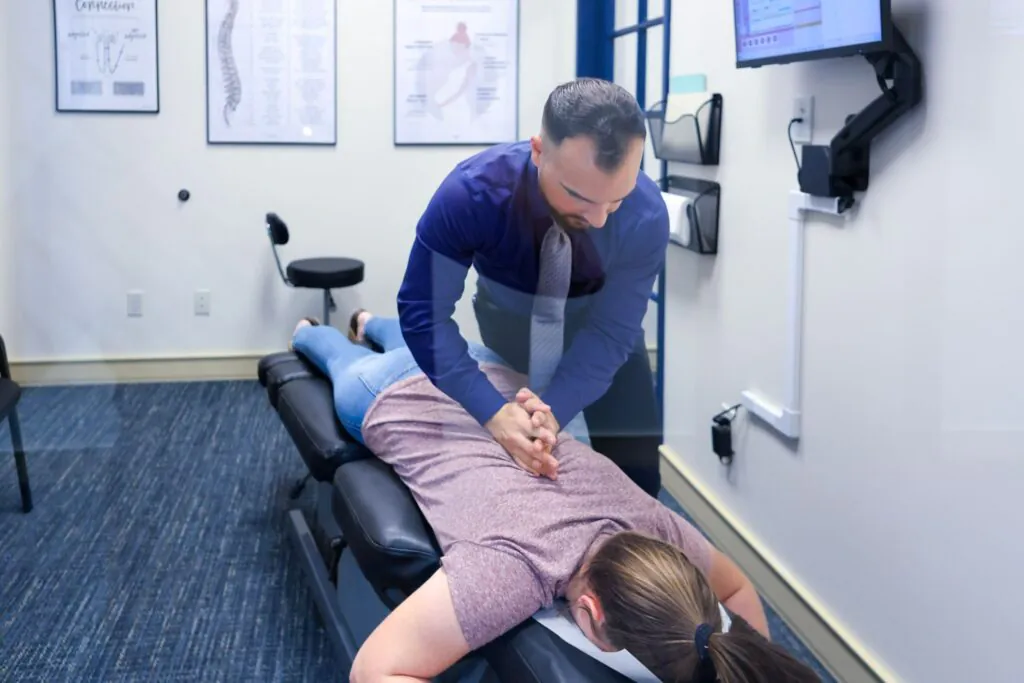

To enhance your athletic performance, it's essential to take a holistic approach that includes proper nutrition, effective training, adequate recovery, and mental well-being. As a chiropractor, I often see athletes who focus solely on their workouts, but it's crucial to understand that optimal performance also relies on how well you care for your body. This means ensuring you're fueling yourself with the right nutrients, allowing your body to recover properly, and setting realistic goals to keep you motivated.
Many local athletes are unaware that small changes in their routine can lead to significant improvements. For example, regular chiropractic adjustments can help align your spine and joints, improving your range of motion and reducing the risk of injury. Are you familiar with the key techniques that can elevate your performance? By incorporating natural healing methods like chiropractic care into your regimen, you might discover the game-changing support your body needs to reach new heights in your athletic pursuits. Let's work together to optimize your performance through a comprehensive approach to your health and well-being.
Importance of Nutrition
As a local chiropractor, I want to emphasize the significance of nutrition in supporting not only your overall health but also your athletic performance. The way you fuel your body can greatly influence your energy, recovery, and performance levels, whether you're a weekend warrior or a dedicated athlete.
Let's start with carbohydrates, which serve as your primary energy source, especially during those intense workouts. Think of them as the fuel that powers your body. It's essential to include whole grains, fruits, and vegetables in your diet to ensure you have the quick energy needed to perform at your best. Consuming complex carbohydrates before your training sessions can help maintain steady energy levels, allowing you to push through even the toughest workouts.
Next, consider the role of proteins in your diet. Proteins are crucial for muscle repair and growth. After exercising, your muscles need the right nutrients to recover and strengthen. By incorporating lean meats, beans, or dairy products into your meals, you're setting your body up for success.
Healthy fats are another key component of a well-rounded diet. They play a vital role in hormone regulation and can provide a sustained source of energy, particularly for endurance activities. Foods like avocados, nuts, and olive oil are excellent sources of healthy fats that can enhance your diet.
Lastly, don't overlook the importance of meal timing. Eating balanced meals and snacks throughout the day ensures your body receives the nutrients it needs when it needs them most. By planning your meals around your training sessions, you can further optimize your performance and recovery.
As we explore natural healing and wellness together, remember that proper nutrition is a foundational aspect of maintaining a healthy lifestyle and achieving your fitness goals. Let's work together to ensure that your body is well-equipped to meet the demands of your activities.
Hydration Strategies
As a local chiropractor, I want to emphasize the importance of hydration in your overall health and well-being. While many people focus primarily on nutrition to enhance their performance in everyday activities, hydration is equally vital for optimal function. Staying properly hydrated can significantly impact your endurance, strength, and overall health.
To ensure you're adequately hydrated, it's crucial to drink water consistently throughout the day, not just when you're exercising. A good guideline is to aim for at least half your body weight in ounces of water daily. This amount may need to be adjusted based on your activity level and the environment you're in.
Before engaging in any physical activity, it's beneficial to hydrate by consuming 16 to 20 ounces of water about two hours prior to your workout. This preparation helps ensure your body is ready to perform at its best.
If you're exercising for an extended period, especially with high intensity, consider incorporating electrolyte-rich drinks to replenish the minerals lost through sweat. A helpful rule is to drink 7 to 10 ounces of fluid every 10 to 20 minutes during your activity.
Post-exercise hydration is crucial too. For every pound lost during your workout, aim to drink at least 16 to 24 ounces of water. A simple way to monitor your hydration status is by observing the color of your urine; light yellow is a sign of proper hydration, while dark yellow indicates you need to drink more fluids.
Additionally, it's important to remember that certain foods, particularly fruits and vegetables, can contribute to your hydration levels. By integrating these hydration strategies into your daily routine, you'll support your body's natural functions and enhance your overall performance in daily life.
Strength Training Techniques
Incorporating strength training into your wellness routine can significantly enhance your physical performance and overall health, particularly when aligned with chiropractic care. As a local chiropractor, I want to emphasize how building muscle strength can't only improve your power but also boost your endurance and agility.
Here are some effective techniques to consider as you embark on this journey:
- Compound Exercises: Embrace multi-joint movements such as squats, deadlifts, and bench presses. These exercises activate several muscle groups simultaneously, making your workouts not only more effective but also promoting functional strength that translates into daily activities.
- Progressive Overload: It's essential to gradually increase the weight or resistance in your exercises. This principle of progressive overload challenges your muscles, encouraging them to grow stronger over time. Remember, consistent progression is key to avoiding plateaus.
- Proper Form: Prioritize maintaining correct technique over lifting heavier weights. Using proper form is crucial in preventing injuries and ensuring that you're effectively targeting the right muscles. As a chiropractor, I often see the benefits of proper alignment and technique in preventing strain and discomfort.
- Rest and Recovery: Just as important as the training itself is the need for adequate rest between strength training sessions. Your muscles require time to repair and grow stronger, so it's vital to listen to your body and schedule regular rest days. This recovery process is essential for overall well-being and injury prevention.
Endurance Training Methods
As a local chiropractor, I want to share some insights on how you can enhance your endurance through natural and holistic methods.
One effective approach is interval training, which can help you build both speed and stamina. This type of training involves alternating between high-intensity bursts of activity and periods of rest or lower intensity, allowing your body to adapt and become more efficient.
Additionally, incorporating long-distance strategies into your routine can significantly improve your aerobic capacity, which is vital for overall endurance. This means engaging in sustained activities that challenge your cardiovascular system over extended periods.
By combining both interval training and long-distance techniques, you can optimize your performance and discover new limits.
Remember, as you embark on this journey, maintaining proper alignment and mobility through chiropractic care can support your training efforts, help prevent injuries, and promote overall wellness.
Let's work together to enhance your endurance naturally!
Interval Training Benefits
As a local chiropractor, I often emphasize the importance of a holistic approach to health and fitness, and one effective method that many endurance athletes use is interval training. This type of training alternates between high-intensity bursts and periods of lower intensity or rest, and it can significantly enhance your overall well-being.
Here are four key benefits of incorporating interval training into your fitness routine:
- Increased Cardiovascular Efficiency: Engaging in interval training helps strengthen your heart and improves blood circulation. This means your body can utilize oxygen more effectively during longer activities, which is crucial for overall health.
- Enhanced Speed and Power: By integrating short bursts of high intensity, you not only build muscle strength but also enhance your speed. This is particularly beneficial for those involved in endurance sports, as it can translate to better performance.
- Time Efficiency: One of the great aspects of interval training is that you can achieve significant fitness gains in shorter workouts. This approach allows you to prioritize quality over quantity, making it easier to fit into a busy lifestyle.
- Boosted Metabolism: After engaging in interval training, your body continues to burn calories at an elevated rate. This can be an effective way to maintain a healthy weight while also improving your endurance levels.
As a chiropractor, I encourage you to consider incorporating interval training into your routine, not just for physical benefits, but also for its positive impact on your overall well-being.
It's a fantastic way to support your body's natural healing processes while enhancing your fitness.
Long-Distance Strategies
As a local chiropractor, I want to share how endurance training can significantly benefit your overall health and well-being, especially if you're interested in long-distance events. Building stamina is essential, and one effective way to do this is by gradually increasing your mileage. This concept of progressive overload not only helps your body adapt but also minimizes the risk of injury, while enhancing your aerobic capacity.
I recommend incorporating a long run each week and extending the distance by 10% to avoid burnout and keep your body healthy.
To keep your training routine effective and engaging, it's beneficial to incorporate a variety of techniques. For instance, tempo runs—where you maintain a consistent, challenging pace for a set period—can help improve your lactate threshold.
Additionally, don't underestimate the importance of cross-training. Activities like cycling or swimming are excellent for building endurance without putting excessive strain on your joints, which is something I often emphasize in my practice.
Nutrition is another vital element of your training. A balanced diet that includes ample carbohydrates, proteins, and healthy fats is essential for fueling your body. Staying hydrated, particularly during longer runs, is crucial for maintaining your peak performance and overall health.
Lastly, I can't stress enough the importance of recovery. Your body needs adequate time to heal and adapt to the physical stresses of training. Make sure to include rest days in your routine and consider practices such as stretching or foam rolling to keep your muscles in optimal condition.
As a chiropractor, I often see the benefits of these recovery techniques in my patients, as they help prevent injuries and promote natural healing.
Flexibility and Mobility
As a local chiropractor, I want to share with you the importance of flexibility and mobility in not just athletic performance, but also in your everyday life and overall well-being.
These two elements significantly impact your range of motion and how efficiently you move throughout your daily activities. By focusing on improving flexibility and mobility, you can experience a variety of benefits:
- Injury Prevention: Enhanced flexibility is crucial for reducing the risk of strains and sprains. When your muscles and joints are able to move freely, you're less likely to experience injuries that can disrupt your life.
- Improved Performance: Whether you're engaging in sports or simply going about your day-to-day tasks, greater mobility leads to better movement mechanics. This can help you perform activities more effectively, from lifting objects to playing with your children.
- Faster Recovery: Maintaining flexibility can significantly aid in your recovery after physical exertion. Improved blood flow and reduced muscle soreness mean that you can bounce back more quickly and return to your normal routine.
- Enhanced Posture: Good mobility contributes to better posture, which is vital for both athletic performance and everyday health. Proper alignment not only facilitates efficient movement patterns but also helps reduce fatigue and discomfort.
To develop your flexibility and mobility, I recommend incorporating dynamic stretching into your warm-up routines and static stretching into your cool-downs.
Activities such as yoga and pilates can also be extremely beneficial, as they emphasize these areas and promote overall body awareness and coordination.
Remember, consistency is key. Spending just a few minutes each day working on these components can lead to significant improvements in your overall health and well-being.
Embrace the journey toward becoming a more agile and resilient individual! If you have any questions or need guidance on how to start, feel free to reach out—I'm here to help you on your path to natural healing and wellness.
Mental Conditioning Practices
While enhancing physical capabilities is crucial for overall health and wellness, mental conditioning is equally important in supporting your well-being. Your mindset can significantly affect how you cope with stress, recover from injuries, and maintain motivation in your daily activities. To improve your mental health and resilience, consider incorporating various mental conditioning practices into your routine.
One effective technique is visualization. Spend a few minutes each day imagining yourself in a peaceful state, visualizing your body healing and functioning optimally. Picture the sensations of comfort and well-being you'll experience as you heal. This mental rehearsal can help prepare you for positive outcomes and instill confidence in your recovery journey.
Another essential practice is goal setting. Establish specific, measurable, achievable, relevant, and time-bound (SMART) goals for your health and wellness. Break larger wellness goals into smaller, manageable milestones. This approach not only keeps you focused but also provides a sense of accomplishment along the way, boosting your motivation to maintain a healthy lifestyle.
Mindfulness and meditation can also serve as powerful tools for mental conditioning. Practicing mindfulness allows you to stay present and engaged in your daily activities, reducing anxiety and distractions. A regular meditation practice can enhance your focus and improve your ability to manage stress, contributing to a healthier mindset.
Lastly, embrace positive self-talk. Replace any negative thoughts with affirmations that reinforce your strengths and potential for healing. Cultivating a positive mindset can transform your approach to challenges, enabling you to navigate life's ups and downs more effectively.
Recovery and Rest
As a local chiropractor, I want to emphasize the critical role of recovery and rest in enhancing your athletic performance. Many people overlook these aspects, but they're just as important as the training itself.
Prioritizing sleep is fundamental—quality rest allows your body to repair and rejuvenate.
In addition, incorporating active recovery techniques, such as gentle movement or stretching, can promote blood flow and help alleviate tension in your muscles and joints. This is where chiropractic care can be particularly beneficial; we focus on aligning the spine and optimizing your body's function, which can lead to faster recovery times.
Lastly, fueling your body with the right nutrition is essential for recovery. A balanced diet supports your body's healing processes and can improve your overall performance.
Importance of Sleep
As a local chiropractor, I want to emphasize the crucial role of sleep in enhancing your overall health and athletic performance—something that's often overlooked in favor of rigorous training.
While you may feel tempted to push harder in your workouts, neglecting sleep can severely undermine your progress and well-being. Quality rest is essential for recovery, energy levels, and your body's natural healing processes.
Here's why prioritizing sleep is essential for everyone, especially those of you engaged in physical activities:
- Muscle Recovery: While you sleep, your body is hard at work repairing and building muscle tissue. This restorative process is vital for ensuring you can perform at your best, whether in daily activities or competitive sports.
- Cognitive Function: A good night's sleep significantly enhances your focus, decision-making abilities, and reaction times. These cognitive benefits are critical not only during competition but also in everyday life.
- Hormonal Balance: Sleep plays a key role in regulating hormones such as cortisol and testosterone. These hormones are crucial for muscle growth and managing stress, impacting your physical performance and emotional well-being.
- Injury Prevention: Adequate rest helps reduce fatigue and improves coordination, which is essential for lowering the risk of injuries during both training and daily activities. When your body is well-rested, you're less likely to experience strains or accidents.
Incorporating proper sleep hygiene into your routine can be a game-changer for your health and athletic performance.
As a chiropractor, I encourage you to consider how your sleep habits affect your physical and mental state, and to prioritize rest as part of your overall wellness strategy.
Active Recovery Techniques
As a local chiropractor, I want to help you understand the importance of actively supporting your recovery after prioritizing sleep. Incorporating active recovery techniques into your routine can significantly enhance your overall health and performance.
Start with gentle aerobic exercises such as jogging, cycling, or swimming. These activities help improve blood circulation to your muscles, which can reduce soreness and stiffness. Engaging in light movement is key to promoting healing in your body.
In addition, I recommend integrating dynamic stretching or yoga into your active recovery days. These practices not only enhance flexibility but also encourage relaxation, allowing your body to recover more effectively. Aim for about 20 to 30 minutes of these activities to experience the full benefits.
Another valuable technique is foam rolling. This method helps release muscle tightness and boost circulation. Spend a few minutes working on sore areas, particularly your legs, back, and shoulders, to alleviate discomfort.
Don't underestimate the role of hydration and maintaining light movement throughout your day. Simple activities like walking can keep your blood flowing and further aid in your recovery process.
It's essential to listen to your body; if you feel overly fatigued, be sure to adjust the intensity of your active recovery sessions accordingly.
By consistently applying these techniques, you're not just promoting recovery; you're also setting yourself up for better performance in your next workout or competitive event.
Nutrition for Recovery
As a local Chiropractor dedicated to your overall well-being, I want to emphasize the importance of nutrition in your recovery process. After engaging in physical activities, whether it's a workout or a competition, your body needs specific nutrients to heal and rebuild effectively.
Here are four essential components you should focus on to support your recovery:
- Protein: It's crucial to include lean protein sources in your diet, such as chicken, fish, or plant-based alternatives. Protein plays a vital role in repairing and building muscle tissues, allowing your body to recover and come back stronger after exertion.
- Carbohydrates: Don't be afraid to embrace carbohydrates! They're essential for replenishing the glycogen stores that get depleted during exercise. Whole grains, fruits, and vegetables are fantastic options that provide the energy needed for recovery.
- Healthy Fats: Incorporating healthy fats from sources like avocados, nuts, and olive oil can be beneficial. These fats support cellular health and serve as a concentrated source of energy that your body can utilize as it heals.
- Hydration: Never underestimate the power of hydration. Drinking water is vital for recovery as it helps transport nutrients and flush out waste products from your system. If you've been sweating heavily, consider replenishing electrolytes with drinks designed for recovery.
By focusing on these nutritional components, you can enhance your recovery process and support your overall health naturally.
Sleep Optimization
A good night's rest is crucial for everyone, especially for those who lead an active lifestyle. Many people may not realize that sleep isn't just a break from daily activities; it's an integral part of your overall health and wellness. During sleep, your body engages in essential processes such as repairing muscles, synthesizing proteins, and releasing important hormones like growth hormone, all of which contribute to recovery and overall performance.
To optimize your sleep, aim for 7 to 9 hours each night. Consistency is vital, so try to go to bed and wake up at the same time every day, including weekends. This routine helps regulate your body's internal clock, which can significantly enhance the quality of your sleep.
Establishing a calming bedtime routine can signal to your body that it's time to wind down—this might include dimming the lights, reading, or doing gentle stretches.
Your sleep environment plays a critical role as well. Transform your bedroom into a restful sanctuary by keeping it dark, quiet, and cool. Consider using blackout curtains, earplugs, or a white noise machine if needed.
It's also important to limit screen time at least an hour before bed, as the blue light emitted from devices can interfere with melatonin production and disrupt your sleep cycle.
Additionally, be mindful of what you consume and your physical activity levels. Avoid heavy meals, caffeine, and alcohol close to bedtime, as these can interfere with your ability to fall asleep.
Engaging in regular physical activity during the day can promote deeper sleep; however, it's best to avoid vigorous exercise right before bedtime.
Goal Setting and Planning
Setting clear health goals is vital for improving your overall well-being, including your athletic performance. As a chiropractor, I often recommend utilizing the SMART goals framework to create both short-term and long-term objectives that can help guide your journey towards better health.
This approach not only focuses on your physical alignment and mobility but also enhances your overall energy and recovery.
Furthermore, tracking your progress is crucial; it keeps you accountable and allows us to adjust your care plan as needed to ensure you're on the right path to achieving your wellness goals.
Embracing this proactive approach to your health can lead to significant improvements in your athletic abilities and daily life.
SMART Goals Framework
When it comes to optimizing your health and well-being, understanding how to set SMART goals can significantly enhance your journey towards better wellness through chiropractic care and natural healing.
SMART stands for Specific, Measurable, Achievable, Relevant, and Time-bound. By applying this framework, you can create clear health objectives that help guide your efforts and keep you focused on your healing process.
Here's how to implement the SMART framework effectively in your health journey:
- Specific: Clearly define what you want to achieve in terms of your health. Instead of saying, "I want to feel better," specify, "I want to reduce my lower back pain by 50%."
- Measurable: Establish criteria for tracking your progress. Keep a journal of your pain levels, mobility improvements, or the frequency of headaches to see how chiropractic care is making a difference.
- Achievable: Set realistic health goals that challenge you but remain within reach. Assess your current health status and work with your chiropractor to ensure your goals are attainable without overwhelming yourself.
- Relevant: Make sure your goals align with your overall health aspirations. If your aim is to improve your posture for better overall wellness, focus on exercises and adjustments that support spinal health rather than unrelated fitness goals.
Short-Term Vs Long-Term
Balancing short-term and long-term health goals is essential for maximizing your overall well-being and athletic performance. Short-term goals, such as improving your flexibility or reducing pain in a specific area, provide immediate milestones that keep you motivated and focused on your recovery. These objectives help you break down larger health aspirations into manageable tasks, allowing us to track your progress and adjust your treatment plan as needed.
For instance, aiming to alleviate back pain within a few weeks can encourage you to engage in specific exercises and make lifestyle adjustments that enhance your chiropractic treatment.
On the other hand, long-term goals give you direction and a sense of purpose in your journey toward health. Whether it's preparing for a major athletic event, achieving a pain-free lifestyle, or maintaining optimal spinal health, these goals shape your wellness philosophy and commitment over time.
When you set a long-term target, like improving your posture or increasing your overall mobility, you create a roadmap that informs your daily habits and short-term objectives.
To be effective, it's important that your short-term goals align with your long-term vision of health. Celebrate small victories along the way, such as reduced discomfort or increased range of motion, but always keep the bigger picture in mind.
This dual approach not only enhances your physical performance but also strengthens your mental resilience, helping you navigate the challenges on your journey to natural healing and optimal health.
Progress Tracking Methods
Tracking your progress is crucial for achieving your health and wellness goals, especially when it comes to your chiropractic care and natural healing journey. By monitoring your improvements, you can adapt your strategies and maintain motivation.
Here are four methods to help you effectively track your progress:
- Set SMART Health Goals: Ensure your goals are Specific, Measurable, Achievable, Relevant, and Time-bound. Having clear objectives allows you to concentrate on what truly impacts your health and well-being.
- Maintain a Health Journal: Keep a record of your chiropractic sessions, exercises, dietary habits, and recovery experiences. A detailed journal will help you spot trends and make necessary adjustments to enhance your overall wellness.
- Leverage Technology: There are numerous apps and wearable devices available that can assist you in tracking metrics such as posture, activity levels, and even pain levels. These tools provide you with real-time feedback on your health progress.
- Conduct Regular Health Assessments: Schedule routine evaluations with your chiropractor to measure your progress towards your health goals. These assessments not only motivate you but also allow you to acknowledge and celebrate your achievements along the way.
Technology in Training
As a local chiropractor, I want to share how technology intersects with training and rehabilitation, offering valuable tools that can enhance your performance and overall well-being.
Whether you're a seasoned athlete or just beginning your fitness journey, incorporating these advancements can significantly improve your training and recovery processes.
Wearable technology, such as smartwatches and fitness trackers, provides insightful data on your heart rate, distance traveled, and calories burned. This information is crucial for tailoring your workouts and ensuring that you're engaging in activities that support your body's needs.
By monitoring your physical exertion, we can better understand how your body responds to different exercises, which is essential for preventing injuries.
Beyond wearables, there are various apps and software available that can analyze your performance. These tools help identify areas where you may need to improve your technique, which is vital for both athletic performance and injury prevention.
For example, video analysis allows you to visually assess your movements, making it easier to spot any postural issues or biomechanical flaws that could lead to discomfort or pain.
Additionally, virtual reality (VR) training is emerging as an innovative way to prepare mentally for sports. It enables you to practice in a simulated environment, which can be particularly helpful for sports that demand quick decision-making.
This mental aspect of training is just as important as the physical, and it complements chiropractic care by enhancing your overall readiness.
Recovery is also a critical component of any training regimen. Technologies such as compression gear and electrical stimulation devices can aid in speeding up muscle recovery and alleviating soreness.
As a chiropractor, I emphasize the importance of recovery, ensuring that you're not only training hard but also taking the necessary steps to heal and rejuvenate your body.
By integrating these technologies into your training routine, we can work together to enhance your performance, prevent injuries, and promote a natural healing process.
Let's explore how these advancements can support your journey to better health and athletic success!
Conclusion
As a local chiropractor dedicated to your overall wellness, I want to share how a holistic approach can significantly enhance your athletic performance. It's not just about pushing your limits in training; it's also about nourishing your body, ensuring proper recovery, and maintaining optimal alignment.
First and foremost, prioritize a balanced diet rich in nutrients that support your energy levels and recovery. Staying hydrated is equally crucial, as it aids in muscle function and overall health. In addition to your regular training routine, consider incorporating strength and endurance exercises that are tailored to your specific needs and goals.
Flexibility and mobility are vital components as well. Regular chiropractic adjustments can help improve your range of motion and reduce the risk of injuries, allowing you to perform at your best. It's also essential to pay attention to your rest and recovery, ensuring you're getting adequate sleep to allow your body to repair and recharge.
Setting SMART (Specific, Measurable, Achievable, Relevant, Time-bound) goals can help you stay focused on your journey. Utilizing technology to track your progress can also be motivating. Remember, chiropractic care is here to support you in achieving peak performance by promoting natural healing and optimal body function. Let's work together to unlock your full athletic potential!