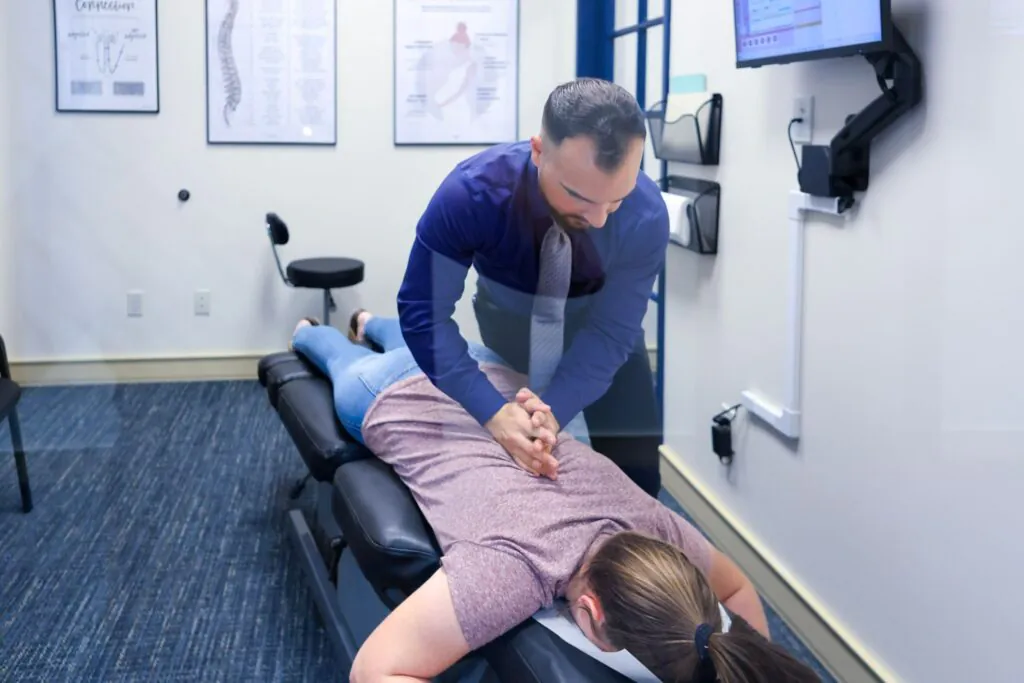

To truly enhance your athletic performance, it's crucial to consider innovative techniques that extend beyond conventional training methods. As a chiropractor, I want to share how integrating chiropractic care can significantly impact your physical capabilities. Many athletes are surprised to learn that advanced training strategies, proper spinal alignment, tailored nutrition, and mental conditioning can lead to remarkable improvements in strength, agility, focus, and recovery.
Chiropractic care plays a vital role in optimizing your body's function by ensuring your spine and nervous system are in peak condition. This can help you move better, reduce the risk of injury, and recover faster from intense workouts. However, there are additional aspects to consider when refining your routine. What other healing modalities, lifestyle changes, or recovery techniques can you incorporate to push your limits even further? As you explore these options, remember that a holistic approach to your health can lead to outstanding athletic performance.
Advanced Training Methods
When you visit our chiropractic office, you may discover that advanced training methods can be an essential part of your journey toward improved health and athletic performance. These techniques go beyond basic exercise routines, helping to push your physical limits and enhance your overall well-being.
One of the most effective methods we recommend is High-Intensity Interval Training (HIIT). This approach involves alternating between short bursts of intense exercise and brief recovery periods, which can't only boost your stamina but also aid in fat loss. Implementing HIIT can complement the adjustments we provide in your chiropractic care, helping to improve your overall fitness.
In addition, incorporating plyometric exercises into your regimen can be a real game-changer. Movements like jump squats or box jumps can significantly enhance your power, agility, and speed. When you consistently engage in these explosive movements, you may notice improvements in your athletic performance and overall physical capabilities, which can be beneficial for maintaining a healthy spine.
Another vital aspect we emphasize is periodization in your training. This method involves varying the intensity and volume of your workouts over time, allowing your body to adapt and recover effectively. By following a structured plan that targets different muscle groups and energy systems, you can avoid plateaus and minimize your risk of injury—something we often see in patients who don't allow their bodies adequate recovery.
Lastly, we encourage you to consider functional training, which mimics everyday movements and activities. This type of training can significantly strengthen your core and enhance your stability, translating to better performance in daily tasks and sports alike. Exercises like kettlebell swings or medicine ball throws can improve your strength and coordination, supporting your chiropractic care by promoting better movement patterns.
Nutrition for Peak Performance
To unlock your optimal physical performance, it's crucial to pay as much attention to your nutrition as you do to your exercise routine.
Just as we emphasize spinal health and body alignment in chiropractic care, the right balance of macronutrients, proper hydration, and strategic timing of your meals can significantly influence how well your body functions.
By fostering a diet that supports your physical activities, you can enhance your overall well-being and athletic capabilities.
Let's delve into how these nutritional elements can support your health and improve your performance.
Macronutrient Balance Essentials
As a local chiropractor, I want to emphasize the importance of macronutrient balance in supporting your overall health and wellness. Proper nutrition plays a crucial role in how your body performs, recovers, and heals.
Let's explore the key components of a balanced diet that can enhance your physical well-being:
- Carbohydrates: It's recommended that 45-65% of your daily food intake comes from carbohydrates. These are vital for providing energy, especially during more strenuous activities. Opt for complex carbohydrates like whole grains, fruits, and vegetables, which not only fuel your body but also contribute to your overall health.
- Proteins: Aim for 10-35% of your diet to include protein. This macronutrient is essential for repairing and building muscles, which is particularly important if you're engaging in physical therapy or sports. Choose lean proteins such as chicken, fish, eggs, or plant-based options like beans and lentils to support your recovery.
- Fats: Healthy fats should comprise 20-35% of your total intake. These fats are crucial for hormone production and maintaining overall health. Incorporate sources like avocados, nuts, seeds, and olive oil into your meals for balanced nutrition.
- Timing: It's not just about how much you eat, but when you eat. Consuming a balanced mix of macronutrients before and after your physical activities can significantly enhance performance and recovery. This is especially important for those undergoing chiropractic care, as proper nutrition can aid in healing and maintaining optimal body function.
By understanding and implementing these macronutrient principles, you can support your body's natural healing processes and improve your overall health.
If you have any questions about nutrition or how it relates to your chiropractic care, feel free to ask during your next visit!
Hydration Strategies for Athletes
Hydration is crucial for everyone, especially for those who are active or looking to improve their overall well-being. As a local chiropractor, I often emphasize the importance of proper hydration for optimal body function, which can significantly enhance your performance and recovery.
When you're adequately hydrated, your body can effectively regulate temperature, transport nutrients, and maintain healthy muscle function.
It's important to drink water consistently throughout the day—not just during physical activities. A good guideline to follow is to aim for at least half of your body weight in ounces of water daily. For instance, if you weigh 160 pounds, you should strive for around 80 ounces of water each day.
During periods of intense activity, it's beneficial to consider electrolyte-rich beverages to help replenish lost minerals. Sports drinks can serve a purpose, particularly for workouts exceeding an hour, but be cautious of their sugar content. You want to nourish your body without adding excess calories that can hinder your health goals.
Don't overlook the importance of hydration before and after your workouts. Drinking 16-20 ounces of water about two hours prior to exercising will prepare your body for the activity, while replenishing fluids afterward is vital for recovery.
A simple way to gauge your hydration status is by observing the color of your urine; a pale yellow color indicates adequate hydration, whereas darker shades suggest you need to increase your fluid intake.
Stay proactive about your hydration practices. By doing so, you'll not only enhance your physical performance but also support your body's natural healing processes. This will aid in quicker recovery, enabling you to engage in more challenging activities moving forward.
Timing Your Nutrient Intake
As a local chiropractor, I want to emphasize the importance of timing your nutrient intake for not only enhancing your athletic performance but also for supporting your overall health and recovery.
By strategically planning your meals and snacks, you can effectively fuel your body and promote healing, which is crucial in chiropractic care.
Here's how you can optimize your nutrient timing for better health:
- Pre-Workout: It's beneficial to consume a balanced meal or snack 1-3 hours before engaging in physical activity. Focus on incorporating carbohydrates and protein, as these nutrients provide the necessary energy and support muscle function, which is vital for maintaining proper alignment and avoiding injuries.
- During Workout: If you're exercising for more than an hour, consider taking in quick-digesting carbohydrates, such as sports drinks or gels. This will help maintain your energy levels and prevent fatigue, allowing your body to function optimally while you work on your alignment and core strength.
- Post-Workout: Within 30-60 minutes after your workout, prioritize a recovery meal rich in protein and carbohydrates. This combination aids in muscle repair and replenishes your glycogen stores, which is important for your body to recover and heal effectively, especially if you're receiving chiropractic care.
- Throughout the Day: It's essential to spread your nutrient intake across several meals and snacks to keep your energy levels stable. Aim for a balanced mix of macronutrients—proteins, fats, and carbohydrates—at each meal.
This not only supports your physical activity but also contributes to your body's overall healing process.
Mental Conditioning Techniques
To truly enhance your overall well-being and athletic performance, it's essential to embrace the benefits of mental conditioning techniques alongside chiropractic care.
By integrating practices like visualization and imagery, mindfulness, and positive self-talk into your routine, you can improve your focus and boost your confidence.
These strategies can work in harmony with the physical adjustments and natural healing that chiropractic care provides.
Let's discuss how adopting these mental techniques can complement your chiropractic treatment and elevate your performance, both in sports and daily life.
Visualization and Imagery
As a local chiropractor, I often emphasize the importance of holistic approaches to enhancing performance and mental resilience, not just for athletes but for everyone seeking to optimize their health.
One powerful technique that can be beneficial is visualization and imagery. By creating vivid mental pictures of what you want to achieve, you can improve your focus, motivation, and confidence, which are essential for both physical and mental well-being.
To effectively harness the potential of visualization, consider these four key strategies:
- Set Clear Goals: Imagine specific outcomes you wish to achieve in your life, whether it's improving your posture, relieving pain, or enhancing your overall well-being. The clearer your vision, the more motivated you'll be to pursue it.
- Incorporate All Senses: Engage all your senses in the visualization process. Picture yourself feeling the relief of a pain-free back, hearing the sounds of nature during a peaceful walk, and even smelling the fresh aroma of essential oils during a relaxation session. This sensory engagement makes the visualization more impactful.
- Practice Regularly: Just like any other skill, visualization takes practice. Set aside time each day to visualize your health goals, reinforcing positive mental pathways and allowing your body and mind to align towards achieving them.
- Stay Positive: Focus on positive outcomes rather than dwelling on fears or setbacks. Positive imagery can build your confidence and reduce anxiety, preparing both your mind and body for optimal health.
By integrating these visualization techniques into your daily routine, you can significantly enhance your overall wellness and support your journey towards a healthier lifestyle.
Mindfulness and Focus
As a local chiropractor, I want to share how the principles of mindfulness and focus can greatly enhance your overall well-being and athletic performance. Just like we work on aligning the spine to improve physical health, practicing mindfulness can help align your mental state, keeping you present and engaged whether you're competing in a sport or simply enjoying a workout.
Mindfulness is about training your mind to stay in the moment, which can help you tune out distractions. This is crucial, especially when you're under pressure, like during a game or an intense training session. By focusing on the present, you can optimize your performance.
Incorporating breathing exercises into your routine is an excellent way to enhance your focus. Simple techniques, such as taking deep, controlled breaths, can help calm your nervous system and center your thoughts. This is similar to how we adjust your body to relieve stress and tension.
Visualization techniques, where you imagine yourself performing tasks flawlessly, can also complement this practice. Picture yourself executing skills with precision and maintaining focus, which is a powerful tool for both your mind and body.
Additionally, setting specific and achievable goals for each training session can keep your mind engaged and provide a clear purpose. Just as we set goals for your chiropractic care, having defined objectives for your workouts can guide your focus.
When you notice your attention drifting, gently bring it back to your breathing or the task at hand, much like how we adjust your posture to keep you aligned and grounded.
Positive Self-Talk Techniques
As a local chiropractor, I often emphasize the importance of a positive mindset in conjunction with physical health for overall well-being. Your mental state can significantly influence your body's performance and healing capabilities.
Here are four powerful techniques for harnessing the power of positive self-talk that can enhance both your athletic performance and your overall mindset:
- Affirmations: Start each day with short, uplifting statements that resonate with you. Phrases like "I am capable" or "I am resilient" can help reinforce your self-belief. By repeating these affirmations regularly, you'll cultivate a mindset that supports your healing journey and athletic goals.
- Visualization: Visualizing success is a powerful tool. Imagine yourself achieving your goals in sports or recovering from an injury. Picture every detail—the movements, the sensations, and the emotions. This mental imagery can enhance your focus and encourage your body to perform at its best.
- Reframing: It's essential to change negative self-talk into positive insights. When faced with challenges, instead of saying, "I can't do this," reframe it to "I am learning and improving." This shift can help you approach your recovery and performance with a more constructive attitude.
- Encouraging Self-Talk: During difficult moments, remind yourself with phrases like "I can handle this" or "I have the strength to overcome." This encouragement can boost your motivation and resilience, which are vital for both recovery and athletic performance.
Incorporating these techniques into your daily routine can lead to a significant improvement in your mindset, which in turn supports your overall health and athletic performance.
Recovery Innovations
In the dynamic realm of sports, understanding recovery innovations can profoundly impact how you recover from intense training or competition. It's common knowledge that pushing your body to its limits can lead to physical strain, but with the right recovery techniques, you can minimize downtime and enhance your performance.
One highly effective approach I recommend is active recovery. Rather than opting for complete rest, engaging in low-intensity activities—such as light jogging or cycling—encourages blood flow, which is vital for muscle healing. Coupling this with proper nutrition can significantly accelerate your recovery process. For instance, consuming a balanced meal rich in protein and carbohydrates right after your workout can help replenish your energy and repair any muscle damage.
Another innovative method gaining traction is the use of compression garments. These snug-fitting clothes apply gentle pressure on your muscles, which can help reduce swelling and soreness while improving circulation. Wearing them during and after workouts may noticeably speed up your recovery.
Don't underestimate the importance of quality sleep, either. Adequate rest is crucial for muscle repair and overall health. I encourage you to establish a consistent sleep schedule and create a calming bedtime routine to optimize your recovery.
Lastly, consider integrating mindfulness practices like yoga or meditation into your routine. These techniques can help alleviate stress and enhance mental clarity, which is essential for maintaining focus in your next training session.
As a chiropractor, I'm here to support you in your recovery journey by promoting natural healing techniques that work with your body, rather than against it. Embracing these strategies can make a significant difference in your overall performance and well-being.
Technology in Sports
As a local chiropractor, I want to emphasize the importance of recovery innovations and how technology is revolutionizing the world of sports, even for those of us who may not be professional athletes.
Understanding these advancements can help you optimize your health and well-being, particularly when it comes to recovery and natural healing.
Here are four key technological trends in sports that can also benefit your recovery process:
1. Wearable Devices: These handy gadgets can track various aspects of your health, such as heart rate, movement, and sleep patterns.
By providing valuable insights into your daily habits, you can make informed decisions to enhance your wellness and recovery. This data can guide your chiropractic care, ensuring you get the most out of your treatments.
2. Virtual Reality (VR): VR technology isn't just for gaming; it can also be used for training and rehabilitation.
By simulating real-life scenarios, VR allows you to practice skills and improve mental focus without putting extra strain on your body. This can be especially useful during your recovery process, as it keeps you engaged and motivated.
3. Performance Analytics Software: While this software is often used by athletes, it can also apply to anyone looking to improve their physical health.
Analyzing movement patterns and identifying strengths and weaknesses can help you understand how to adjust your activities to support your recovery and overall performance.
4. Smart Equipment: High-tech gear, such as smart balls and connected shoes, offers real-time feedback on your techniques and movements.
This immediate information can help you understand how to make adjustments that promote better posture and alignment, which are crucial for your recovery journey.
By integrating these technological advancements into your routine, you can enhance your recovery and overall health.
As your chiropractor, I'm here to guide you through this process and help you make the most of these innovations for natural healing.
Biomechanics and Movement
As a local chiropractor, I want to emphasize the importance of understanding biomechanics and movement for your overall health, athletic performance, and recovery. By gaining insights into how your body moves, you can identify areas that may need improvement, helping to refine your techniques and enhance your well-being.
Biomechanics focuses on the forces acting on your body and how they influence your movements. This knowledge is vital for maximizing efficiency in your physical activities and reducing the risk of injury. For instance, when we analyze movement patterns together, we can pinpoint inefficiencies—such as overstriding while running or improper foot placement—that might lead to discomfort or injury down the line.
By making small adjustments to your movement, you can improve not just your speed and endurance, but also lessen the strain on your muscles and joints. This is where chiropractic care can play a crucial role in your training regimen.
Understanding the principles of biomechanics also allows us to tailor your treatment and training to your unique capabilities. By assessing your range of motion and identifying any muscle imbalances, we can create a personalized exercise plan that promotes optimal movement. This targeted approach not only enhances your performance but also speeds up recovery by addressing specific weaknesses in your body.
It's essential to remember that effective movement goes beyond just speed or power; coordination and balance are equally important. Incorporating drills that improve your agility and stability can significantly elevate your performance, be it on the field, in the gym, or in everyday activities.
As your chiropractor, my goal is to help you understand these concepts and empower you to make informed decisions about your health and movement. Together, we can work towards achieving a balanced and efficient body that supports your active lifestyle.
Personalized Performance Plans
As a local chiropractor, I often see how personalized performance plans can greatly benefit athletes, regardless of their experience level. These plans are designed to cater to your individual needs and goals, ensuring that your training is optimized and your performance is enhanced.
Here's how you can develop a personalized performance plan that works for you, incorporating the principles of chiropractic care and natural healing:
1. Assess Your Current Physical Condition: Begin by evaluating your overall wellness. This includes not only your strength and endurance but also your flexibility and posture. Understanding your current state is crucial for setting realistic and attainable goals.
2. Set Specific Wellness Goals: Identify both short-term and long-term health goals that resonate with your athletic ambitions. Whether you aim to improve your agility, increase core strength, or achieve better balance, having clear objectives will keep you motivated and on track.
3. Emphasize Recovery and Chiropractic Care: Recovery is essential for optimal performance, and incorporating chiropractic care can play a significant role. Regular adjustments can help alleviate pain, improve mobility, and support your body's natural healing processes.
Additionally, include rest days and gentle recovery techniques such as stretching, foam rolling, or yoga to prevent injuries and promote muscle recovery.
4. Track Your Progress Holistically: It's important to regularly monitor not just your performance, but also your overall well-being. Keep a log of your workouts, nutrition, chiropractic visits, and recovery practices.
This holistic approach will allow you to see what strategies are effective and where you may need to make adjustments.
Conclusion
As a local chiropractor, I want to help you understand how embracing a holistic approach can significantly enhance your athletic performance. This approach involves combining advanced training techniques, smart nutrition, and mental conditioning to create a well-rounded strategy for success.
Recovery is a crucial element of this journey, and there are innovative methods we can explore together to optimize your healing process. Utilizing technology can provide insights and feedback that enhance your training sessions. Additionally, understanding biomechanics is essential; it allows us to refine your movements and ensure that your body is functioning at its best.
I encourage you to consider personalized performance plans tailored to your individual needs. By focusing on your unique goals and physical conditions, we can develop a strategy that not only boosts your athletic capabilities but also fosters the resilience necessary to excel in your sport while minimizing the risk of injury. Embracing chiropractic care and natural healing practices can be a game-changer in your athletic journey, paving the way for improved performance and overall well-being.