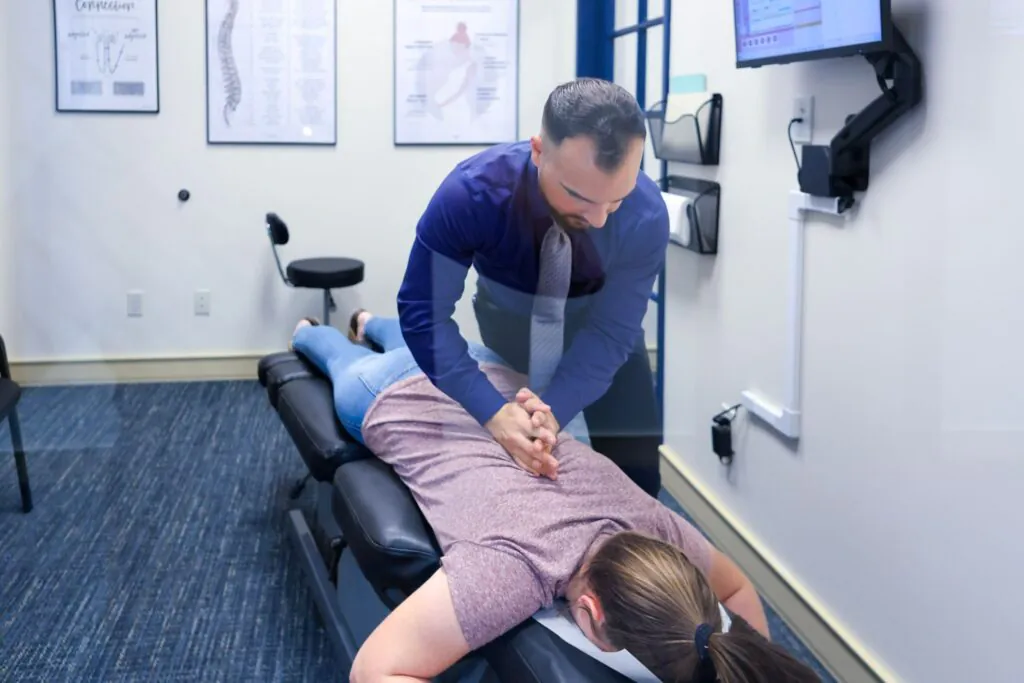

As a local chiropractor, I want to share with you that back pain is a common concern, but it doesn’t have to define your life. By making a few simple changes to your daily habits, you can significantly lower your risk of experiencing discomfort. Whether it’s how you position yourself at your desk or how you cope with stress, every choice you make plays a role in your spinal health.
I invite you to explore some effective strategies that not only support your back but also contribute to your overall well-being. Let’s take a closer look at these essential tips to help you lead a healthier, pain-free life. Remember, caring for your spine is an important step towards enhancing your quality of life!
Maintain Good Posture
As a local chiropractor, I want to emphasize the importance of maintaining good posture for both your appearance and your overall health. When you sit or stand with proper alignment, you not only project confidence, but you also play a crucial role in preventing back pain and discomfort. Your spine has a natural curvature, and keeping it aligned is essential to avoiding undue strain.
When you’re seated, make sure your feet are flat on the ground and that your back is properly supported. Adjust your chair height so that your knees form a 90-degree angle.
If you find yourself standing, be sure to distribute your weight evenly across both feet while engaging your core muscles to support your lower back.
It’s also important to be mindful of how you use your devices. Holding your phone or tablet at eye level can significantly reduce neck strain.
Regularly check in with your posture throughout the day; if you catch yourself slouching, take a moment to consciously straighten up. These small adjustments can lead to big improvements in your overall comfort and health.
Remember, good posture isn’t just about aesthetics—it’s a vital component of protecting your spine and enhancing your well-being.
As you incorporate these habits into your daily routine, you’ll likely notice a positive difference in how you feel. If you have any questions about posture or spinal health, don’t hesitate to reach out. Your journey to better health starts with understanding these simple yet effective practices!
Stay Active and Exercise Regularly
As your local chiropractor, I want to emphasize that maintaining good posture is just one aspect of preventing back pain. A crucial component of a healthy spine is staying active and exercising regularly. Incorporating physical activity into your daily life not only strengthens the muscles that support your spine but also promotes overall wellness.
I recommend aiming for at least 150 minutes of moderate aerobic exercise each week, which can include activities like walking, swimming, or cycling. These exercises aren’t only beneficial for your back but also enhance your cardiovascular health.
In addition to aerobic activities, it’s essential to focus on strengthening your core muscles. A strong core provides stability and support for your back. Exercises such as planks, bridges, and gentle yoga can improve both your flexibility and strength.
Don’t overlook the importance of stretching, as it helps maintain your range of motion and alleviates tension in your muscles.
Always listen to your body. If you experience pain during any activity, it’s important to adjust your level of exertion. Regular movement is vital for keeping your back healthy and contributes significantly to your overall well-being.
Invest in Ergonomic Furniture
As a local chiropractor, I want to emphasize the importance of investing in ergonomic furniture for your health and well-being, particularly if you find yourself sitting for extended periods. Many of my patients experience discomfort and poor posture due to inadequate seating options.
Ergonomic chairs are designed to support your lower back and encourage proper spine alignment, which is crucial for maintaining your overall health. When selecting a chair, look for features such as adjustable seat height, lumbar support, and armrests that can be tailored to fit your body’s unique needs.
Incorporating a sit-stand desk into your workspace can be a transformative choice as well. This type of desk allows you to switch between sitting and standing throughout the day, which can significantly reduce the strain on your back and promote better circulation.
Ensure that the desk is at a height that allows your elbows to remain at a 90-degree angle while typing, as this will further support your posture.
Don’t forget about the importance of accessories like keyboard trays and monitor stands. These tools help maintain a neutral wrist position and keep your screen at eye level, which can prevent discomfort and strain as you work.
By investing in ergonomic furniture and accessories, you’re taking a proactive step toward creating a workspace that prioritizes your health. This can help you avoid future discomfort and back pain.
Practice Proper Lifting Techniques
As a local chiropractor, I want to emphasize that creating an ergonomic workspace is just one part of the equation when it comes to preventing back pain.
It’s crucial to understand that proper lifting techniques play a significant role in protecting your spine. Whenever you find yourself needing to lift something heavy, take a moment to plan your move before diving in. Position yourself close to the object and stand with your feet shoulder-width apart to maintain balance.
Remember to bend at your knees, not your waist; this is vital for preserving the health of your back. Squat down to grasp the item, keeping your back straight and engaging your core muscles as you lift. It’s important to avoid twisting your body while carrying the load. Instead, use your feet to turn your entire body, which helps to keep your spine in alignment.
If you ever feel that the object is too heavy to lift on your own, please don’t hesitate to ask for assistance or utilize tools such as dollies or lifting straps.
By practicing these techniques, you can significantly reduce the strain on your back, thereby lowering the likelihood of experiencing pain. Always stay mindful during lifting; your back will express its gratitude through improved health and comfort!
Manage Stress and Practice Relaxation Techniques
As a chiropractor, I want to share an important insight that many people may not realize: stress can significantly affect your back health. When you experience stress, your body responds by tensing up, which can lead to muscle discomfort and pain.
It’s crucial to understand that managing stress isn’t only about mental wellness; it plays a vital role in maintaining a healthy back.
Incorporating relaxation techniques into your daily life can help alleviate this tension and promote better spinal health. Here are some effective methods you might consider:
- Deep Breathing: Practice taking slow, deep breaths. This simple technique can calm your mind and help relax the muscles in your back, reducing tension.
- Mindfulness Meditation: Engaging in mindfulness meditation can help you focus on the present moment. By reducing anxiety and promoting relaxation, you can create a more peaceful state of mind that benefits your overall well-being.
- Gentle Yoga: Integrating gentle yoga into your routine allows for stretching and movement that can release tight muscles and enhance your flexibility, which is essential for a healthy spine.
By prioritizing stress management and relaxation techniques, you can support not only your mental health but also the health of your back.
If you have any questions or would like to learn more about how chiropractic care can help with stress and back pain, feel free to reach out!
Conclusion
As your local chiropractor, I want to share with you five essential lifestyle tips that can help prevent back pain and enhance your overall health. First and foremost, maintaining proper posture is crucial; it can significantly reduce strain on your spine. Incorporating regular exercise into your routine will keep your muscles strong and flexible, which is vital for spinal support.
Next, consider investing in ergonomic furniture—this can make a world of difference in your comfort levels at work or home. Additionally, it’s important to practice proper lifting techniques. Always bend at the knees and keep the load close to your body to protect your back. Lastly, don’t underestimate the impact of stress on your body; engaging in relaxation techniques can help manage this and promote a healthier spine.
Remember, even small adjustments in your daily habits can lead to significant improvements in your back health. Take proactive steps towards caring for your spine, and you may find yourself enjoying a life with less discomfort and more vitality!