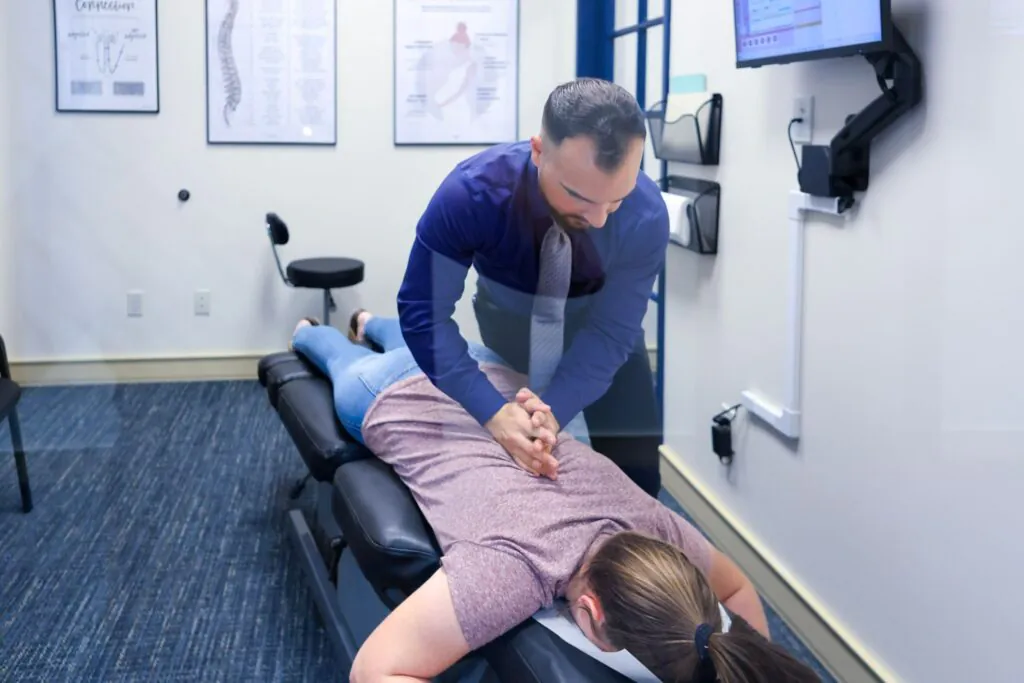

Back pain is a common concern that many individuals experience, but it doesn’t have to be a part of your life. As a chiropractor, I want to share with you how making a few simple lifestyle adjustments can significantly lower your chances of experiencing discomfort. From practicing proper posture to effectively managing stress, each small change can make a big difference.
By incorporating these strategies into your daily routine, you not only promote a healthier back, but you also enhance your overall well-being. Your spine plays a crucial role in your body’s function, and by taking care of it, you’re investing in your health. So, what’s the first change you feel ready to embrace? Let’s work together to create a plan that suits your lifestyle and helps you feel your best!
Maintain Good Posture
As a local chiropractor, I want to emphasize the importance of maintaining good posture for your overall health and well-being. Many people don’t realize that the way you sit, stand, and walk significantly impacts your spinal health and can prevent back pain. Proper alignment is key.
When you’re seated, ensure that your shoulders are back and relaxed, and that your head is in line with your spine. It’s crucial for your chair to provide adequate support for your back, and your feet should rest flat on the floor. If you find it difficult to maintain this position, consider using a cushion for additional lumbar support.
When it comes to standing, aim to distribute your weight evenly across both feet. Avoid slouching or leaning to one side, as these habits can lead to muscle strain and discomfort.
If you’re working at a desk, make sure to adjust your chair and monitor height so that your screen is at eye level. Regular breaks to stretch and reset your posture throughout the day can also be beneficial.
By making these simple adjustments part of your daily routine, you not only reduce your risk of back pain but also improve your energy levels and productivity.
Stay Active With Regular Exercise
As a local chiropractor, I want to emphasize how important regular exercise is for preventing back pain and enhancing your overall well-being. Keeping your body active is crucial for strengthening the muscles that support your spine, which in turn boosts both flexibility and stability.
I recommend incorporating a variety of activities into your routine, including aerobic exercises, strength training, and flexibility workouts. Gentle options like walking, swimming, or cycling are fantastic choices that can improve your cardiovascular health while being easy on your back.
In addition to these activities, core-strengthening exercises, such as planks and bridges, are vital for fortifying your abdominal and back muscles. Stretching routines, including yoga, can further enhance your flexibility and help reduce the likelihood of injuries.
It’s also important to listen to your body. If you experience any discomfort, don’t hesitate to modify your routine. Aim for at least 150 minutes of moderate exercise each week, and feel free to break it up into shorter, manageable sessions.
Staying active not only aids in preventing back pain but also elevates your mood and energy levels, making everyday tasks much easier. Remember, chiropractic care can complement your exercise routine by ensuring your spine is aligned and functioning optimally.
Use Ergonomic Furniture
As a local chiropractor, I often see patients who spend long hours sitting at desks and are experiencing back pain. One of the most effective ways to prevent this discomfort is by using ergonomic furniture. For instance, ergonomic chairs are designed to support your lower back and encourage good posture, which can significantly reduce strain on your spine.
It’s essential to adjust the chair height so that your feet rest flat on the ground and your knees are at a right angle.
I also recommend considering a sit-stand desk. This type of desk allows you to alternate between sitting and standing throughout the day, which can help alleviate pressure on your back. It’s important to ensure that your monitor is at eye level to prevent unnecessary strain on your neck.
Additionally, investing in ergonomic accessories, such as keyboard trays and wrist supports, can further enhance your comfort while working. These small adjustments in your workspace can lead to substantial improvements in your posture and overall well-being.
Practice Proper Lifting Techniques
As a local chiropractor, I want to emphasize the importance of proper lifting techniques to help protect your back and overall health.
When you lift heavy objects, it’s crucial to bend at the knees rather than at the waist. This adjustment not only safeguards your spine from potential strain but also promotes good posture.
Additionally, keeping the load close to your body is vital. This practice helps you maintain balance and reduces the pressure on your spine, which can prevent discomfort and injuries.
Bend at the Knees
As a local chiropractor, I want to share an essential tip that can greatly help prevent back pain: always bend at the knees when lifting. This simple technique is crucial for maintaining a healthy spine and minimizing the risk of injury.
When you bend at the knees, you keep your back straight and engage your leg muscles, which are designed to handle heavier loads more effectively than your back. Instead of bending at the waist, take the time to squat down when picking up an object.
Make sure your feet are shoulder-width apart for better balance, and be mindful that your knees don’t extend past your toes. When it’s time to lift, focus on pushing through your heels and using your legs to stand up, rather than straining your back.
By incorporating this method into your daily routine, you can significantly reduce the strain on your spine and lower your chances of experiencing back pain.
Keep Load Close
As a local chiropractor, I want to share an essential tip for preventing back pain during lifting: keep the load close to your body. This simple adjustment can significantly reduce the strain on your back muscles and spine. When you hold items near your center of gravity, you support your body’s natural mechanics, making lifting safer and more efficient.
Before you lift anything, position yourself as close to the object as you can. Bend your knees instead of your back, grip the load securely, and remember to lift with your legs. It’s crucial to keep the weight against your body as you lift—this not only helps maintain your balance and stability but also minimizes the risk of injury.
If you find the load too heavy or awkward, don’t hesitate to ask for help or use tools like dollies or carts. Incorporating these techniques into your routine can have a profound impact on your back health, allowing you to remain pain-free and active.
As your chiropractor, I’m here to guide you on your journey to natural healing and overall wellness.
Stretch and Strengthen Your Core
As a local chiropractor, I want to emphasize the importance of stretching and strengthening your core to prevent back pain.
A stable core is vital for supporting your spine and enhancing your overall body mechanics, which can make daily activities much easier and more comfortable.
By incorporating core exercises and stretching routines into your daily life, you can significantly improve how you feel.
This is an essential aspect of natural healing that I encourage all my patients to embrace for better spinal health and overall well-being.
Let’s work together to build a stronger core and promote a healthier lifestyle!
Core Exercises Overview
As a local chiropractor, I often see patients who are struggling with back pain and may feel overwhelmed by their discomfort. I want to emphasize that incorporating core exercises into your daily routine can be a transformative step towards alleviating that pain and enhancing your overall stability.
It’s important to understand that your core is more than just your abdominal muscles; it encompasses various muscles in your back, hips, and pelvis. By strengthening these areas, you can provide essential support to your spine and improve your posture.
I recommend starting with fundamental exercises such as planks, bridges, and bird-dogs. These movements engage multiple muscle groups, which not only promotes balance and strength but also helps in preventing future injuries.
As you grow more comfortable with these exercises, you can explore variations that will further challenge your core.
Consistency is vital; I encourage you to aim for at least two to three sessions each week. By dedicating time to these core exercises, you’ll not only work towards reducing your back pain but also enhance your overall physical performance and daily functionality.
I invite you to embrace this commitment to your health and well-being, and together we can work towards a pain-free back and a healthier lifestyle.
Importance of Stability
As a local chiropractor, I want to emphasize the importance of a strong and stable core for your overall health, particularly in preventing back pain. Strengthening your core goes beyond just building muscle; it’s about enhancing stability, which is crucial for maintaining a healthy spine and pelvis.
A stable core supports proper posture and alignment during your daily activities, reducing the risk of injury. When your core muscles are strong and balanced, they help to evenly distribute forces throughout your body, alleviating unnecessary strain on your back.
This is why I recommend incorporating exercises such as planks, bridges, and rotational movements into your regular routine. These exercises can significantly improve your stability and overall strength.
It’s also important to develop an awareness of your core engagement throughout your day—whether you’re sitting at your desk, standing, or moving around. This mindfulness not only enhances your strength but also serves to protect your back from potential injuries.
Daily Stretching Routines
As a local chiropractor, I want to emphasize the importance of incorporating a daily stretching routine into your life for enhancing core stability and preventing back pain.
Starting your day with stretches that focus on your abdomen and lower back, such as the cat-cow stretch or the bridge pose, can make a significant difference. These movements not only increase flexibility but also help strengthen your core muscles, which are essential for maintaining a healthy spine.
I recommend dedicating at least 10-15 minutes each day to stretching, ensuring that you engage in slow and controlled movements.
Don’t overlook the importance of side stretches as well; these exercises will help engage your obliques and promote overall core balance. As you go through your stretches, it’s crucial to listen to your body. If you experience any tightness or discomfort, don’t hesitate to adjust your position.
Remember, consistency is key when it comes to stretching. By making it a regular part of your daily routine, you can significantly contribute to your back health and maintain a pain-free lifestyle.
Embracing these natural healing practices is an excellent step towards overall wellness, and I’m here to support you on your journey.
Manage Stress Effectively
As a local chiropractor, I want to emphasize the importance of managing stress effectively to prevent back pain. Many people may not realize that stress can lead to muscle tension around the spine, which often results in discomfort and pain. When stress levels increase, your body naturally tightens its muscles, and this can create significant issues for your back.
To help combat these effects, I encourage you to incorporate relaxation techniques into your daily routine. Simple practices, such as deep breathing exercises, can be incredibly beneficial in releasing tension and promoting relaxation. Additionally, exploring mindfulness or meditation can help center your thoughts and alleviate anxiety.
Regular physical activity is another key component in managing stress and maintaining a healthy, flexible body. Even something as simple as taking a brisk walk can significantly elevate your mood and reduce muscle tightness.
It’s also important to make time for hobbies or activities that you genuinely enjoy; these can serve as effective stress relievers and contribute to your overall wellness.
Lastly, don’t hesitate to seek support from friends, family, or professionals if you find stress becoming overwhelming. Remember, by managing stress effectively, you not only enhance your overall well-being but also protect your back from unnecessary pain.
As a chiropractor, I’m here to guide you on your journey to better health through natural healing practices.
Pay Attention to Your Sleep Environment
As a local chiropractor dedicated to your health and well-being, I want to share an often-overlooked aspect of preventing back pain: your sleep environment. A comfortable mattress that provides proper support for your spine is crucial for maintaining good spinal health. If your mattress is either too soft or too firm, it can lead to poor alignment and discomfort, ultimately contributing to back pain.
Ideally, you should consider replacing your mattress every 7-10 years or when you notice signs of sagging.
Pillows play a significant role as well. It’s important to choose a pillow that keeps your neck aligned with your spine. For side sleepers, a thicker pillow may help maintain that alignment, while back sleepers might benefit from a thinner option.
Your sleep position is another critical factor. I recommend sleeping on your back or your side, as these positions can help alleviate pressure on your spine.
Try to avoid sleeping on your stomach, as this can strain your neck and back, leading to discomfort.
Lastly, creating a serene sleep environment is essential. Aim to keep your bedroom cool, dark, and quiet, as these conditions promote better sleep, which is vital for overall back health.
Conclusion
As a local chiropractor, I want to share with you some practical lifestyle changes that can help prevent back pain and improve your overall health. It’s essential to focus on maintaining good posture throughout your daily activities—this means being mindful of how you sit, stand, and move. Staying active is also crucial; regular exercise strengthens the muscles that support your spine, making it less prone to injury.
Investing in ergonomic furniture can make a significant difference in how your body feels. These specially designed chairs and desks can help support your spine and encourage proper alignment. When lifting objects, remember to use proper techniques: bend at your knees, keep your back straight, and lift with your legs to avoid straining your back.
Incorporating regular stretching into your routine can enhance flexibility and reduce tension in your muscles. Additionally, managing stress is vital, as it can manifest physically in your body, contributing to discomfort. Lastly, ensure that your sleep environment is comfortable, as a good night’s rest is fundamental for spinal health.
By making these simple yet effective adjustments, you can protect your back and lead a healthier, more active life. If you have any questions or need personalized advice, don’t hesitate to reach out to your local chiropractor for guidance!