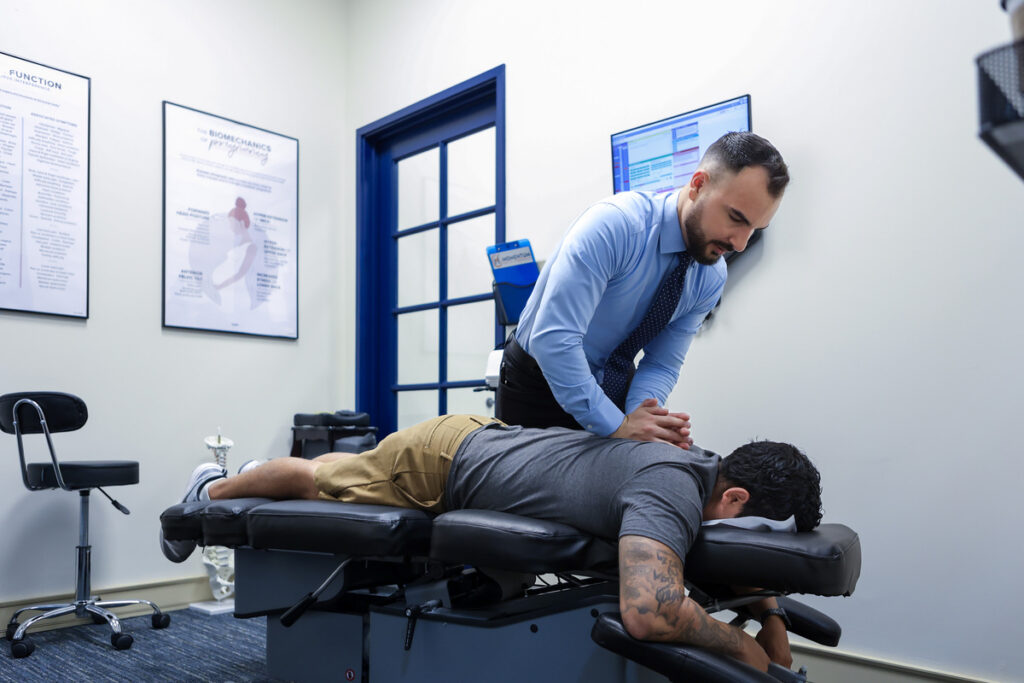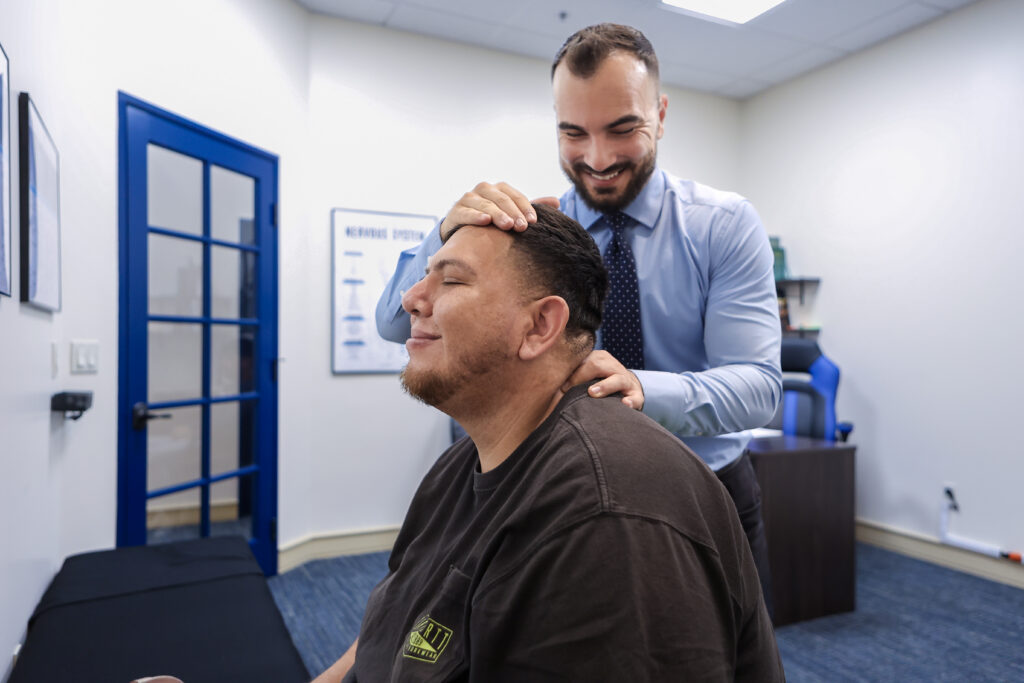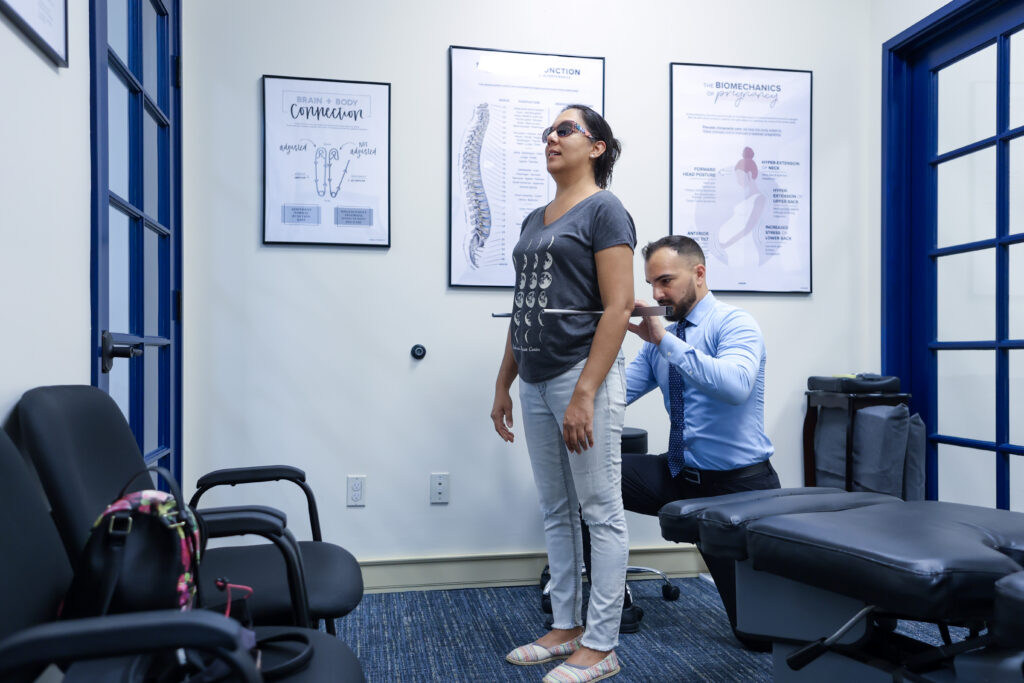

If you're interested in improving your joint flexibility, it's important to understand the various therapy techniques that can truly make a difference in your health and mobility. As a local chiropractor, I encourage you to explore methods such as manual therapy, soft tissue manipulation, and targeted stretching routines. These techniques can help alleviate stiffness and enhance your overall mobility.
It's essential to recognize how these approaches work in harmony to promote better joint health and function. Manual therapy can realign your joints, while soft tissue manipulation helps relax the muscles surrounding those joints. Additionally, incorporating specific stretching routines can further improve your range of motion.
However, each technique has its nuances, which can significantly impact your results. By understanding these differences, you can optimize your journey towards increased flexibility and overall wellness. I'm here to guide you through this process and help you achieve your health goals naturally.
Importance of Joint Flexibility
As a local chiropractor, I want to emphasize the importance of joint flexibility for your overall physical health and performance. When your joints are flexible, they can move freely and easily through a full range of motion. This flexibility is crucial for daily activities, whether you're reaching for an item on a high shelf or bending down to tie your shoes. With good joint flexibility, these movements become not only more comfortable but also more efficient.
If you're active in sports or physical activities, enhancing your joint flexibility can significantly improve your athletic performance. Greater flexibility allows for better agility, balance, and coordination. It also plays a vital role in injury prevention; flexible joints are less susceptible to strains and sprains. When your joints are limber, you can react quickly and effectively, which is essential in fast-paced sports.
Moreover, maintaining good joint flexibility can lead to better posture. When your joints are properly aligned and flexible, you're less likely to experience muscle imbalances or chronic pain. This alignment supports your spine and overall body mechanics, reducing strain on your muscles and joints.
Incorporating exercises that promote joint flexibility into your daily routine can yield long-term benefits. Simple activities like stretching, yoga, or tai chi can help maintain and improve your flexibility, making everyday tasks smoother and more enjoyable.
As your chiropractor, I encourage you to prioritize joint flexibility in your wellness journey. By doing so, you won't only enhance your physical performance but also improve your overall quality of life. Let's work together to ensure your joints remain flexible and healthy!
Common Causes of Joint Stiffness
As a local chiropractor, I want to share some insights about joint stiffness and its common causes so you can better understand your body and how natural healing can help.
One of the primary factors contributing to joint stiffness is the natural aging process. As we age, the cartilage that acts as a cushion between our joints can begin to wear down, leading to discomfort and stiffness. It's important to be aware of this so you can take proactive steps to maintain your joint health.
Injuries are another significant cause of stiffness. When you sustain an injury, scar tissue can form around the joint, which can restrict your range of motion and lead to discomfort. Chiropractic care can help address these issues by promoting healing and restoring function.
Inactivity is also a key factor. If you lead a sedentary lifestyle, your joints can become stiff due to a lack of movement. Regular physical activity is essential for keeping your joints flexible and healthy. As a chiropractor, I encourage my patients to incorporate movement into their daily routines to support joint health.
On the flip side, overuse or repetitive strain can also lead to stiffness. Engaging in the same activities or motions repeatedly can cause inflammation and soreness in the joints, affecting your mobility. Chiropractic adjustments can help relieve this strain and improve your overall function.
Medical conditions, such as arthritis, are common contributors to joint stiffness as well. For example, osteoarthritis can lead to pain and stiffness due to the breakdown of cartilage, while rheumatoid arthritis causes inflammation and swelling in the joints. Chiropractic care can be a valuable part of your treatment plan for managing these conditions.
Lastly, lifestyle factors like poor posture and being overweight can play a role in joint stiffness. Carrying excess weight puts additional pressure on your joints, while poor posture can create imbalances and tension in the surrounding muscles. Chiropractic adjustments and guidance on proper body mechanics can help correct these issues.
Stretching Techniques for Flexibility
As a local chiropractor dedicated to your health and well-being, I want to emphasize the importance of stretching techniques in enhancing your flexibility. Many people may not realize how crucial these methods are for maintaining joint mobility and supporting overall performance.
First, let's talk about dynamic stretching. This type of stretching involves movement and helps prepare your muscles and joints for activity, making it an excellent warm-up routine.
Next, we've static stretching, which involves holding a stretch for a period of time. This method can improve your flexibility and is particularly beneficial after a workout when your muscles are warm.
Another advanced technique to consider is PNF (Proprioceptive Neuromuscular Facilitation) stretching. This method involves both stretching and contracting the muscle group being targeted, which can significantly enhance your flexibility over time.
Understanding these stretching approaches is essential for anyone looking to improve their physical health. As your chiropractor, I encourage you to incorporate these techniques into your routine to promote better joint mobility and overall performance in your daily activities.
Dynamic Stretching Benefits
Dynamic stretching is an excellent practice that can significantly improve your flexibility and enhance overall physical performance. As a local chiropractor, I want to emphasize how important it's to prepare your muscles and joints for the activities you engage in. By incorporating movements that mimic the physical tasks ahead, you effectively get your body ready for action. This type of stretching increases blood flow and elevates your body temperature, which can help lower the risk of injuries during your workouts.
Engaging in dynamic stretching means actively involving your muscles, which contributes to better coordination and balance. This is particularly crucial for anyone participating in sports or activities that require quick, agile movements. You're not merely stretching; you're also building the strength and flexibility needed for those powerful actions.
Additionally, one of the key benefits of dynamic stretching is its ability to enhance your range of motion. Exercises like leg swings and arm circles help your body adapt to the physical demands you face.
Static Stretching Techniques
As a local chiropractor, I want to emphasize the importance of static stretching techniques in enhancing your flexibility and overall muscle health. These methods involve holding a stretch for a specific duration, typically between 15 to 60 seconds. This approach allows your muscles to relax and elongate, which is crucial for maintaining optimal muscle function and preventing injuries.
Incorporating static stretches into your routine can be particularly beneficial after workouts or during dedicated flexibility sessions. I recommend focusing on major muscle groups, such as your hamstrings, quadriceps, calves, and shoulders. For example, to stretch your hamstrings, sit on the floor with one leg extended and the other bent. Reach toward your toes while keeping your back straight. Hold this position until you feel a gentle pull, and then switch legs.
Consistency is vital for seeing real improvements. Aim to perform static stretches at least three times a week. It's important to avoid bouncing or making jerky movements during these stretches, as this can increase your risk of injury. Instead, focus on breathing deeply and relaxing into each stretch. Always listen to your body—if you feel any pain, ease off immediately.
PNF Stretching Methods
As a chiropractor dedicated to promoting natural healing and overall wellness, I want to introduce you to an effective technique called PNF (Proprioceptive Neuromuscular Facilitation) stretching. This method is an excellent complement to the benefits of static stretching and is designed to enhance your flexibility, which is vital for maintaining a healthy body and preventing injuries.
PNF stretching works by combining both stretching and contracting your muscles, which can significantly improve your range of motion. While it's often performed with a partner, it can also be done independently.
To get started, stretch a muscle to its comfortable limit. Next, you'll contract that muscle group for approximately 5 to 10 seconds. For instance, if you're focusing on your hamstrings, you'd push against your partner's resistance while keeping your leg straight.
After this contraction, allow the muscle to relax and then stretch it further for about 15 to 30 seconds. This cycle can be repeated several times for optimal results.
One of the standout benefits of PNF stretching is that it leverages your body's own neuromuscular responses to enhance flexibility. Not only will you notice improvements in your flexibility, but you may also experience gains in strength.
However, it's crucial to approach these techniques with care to prevent injury, so always listen to your body and avoid pushing past your comfort zone.
Incorporating PNF stretching into your routine can lead to significant enhancements in your joint flexibility and athletic performance, contributing to your overall health and well-being.
As your chiropractor, I encourage you to explore this method and consider how it can fit into your journey towards better health through natural practices.
Role of Manual Therapy
As a local chiropractor, I want to share with you the incredible benefits of manual therapy.
One of the key techniques we use is joint mobilization, which can significantly enhance your flexibility. These methods not only improve your range of motion but also promote healing by manipulating soft tissues in the body.
By incorporating manual therapy into your wellness routine, you can experience remarkable improvements in your joint health and overall movement.
It's a natural approach to healing that can help you feel your best!
Techniques for Joint Mobilization
As a local chiropractor, I want to share some insights about effective joint mobilization techniques that can greatly enhance your mobility and alleviate pain through natural healing.
One of the common methods we use is oscillatory movements. During this technique, I gently apply rhythmic movements to your joint, which can significantly improve circulation and reduce stiffness, helping you feel more comfortable.
Another valuable approach is sustained stretching. In this method, I hold a position for a longer duration to help facilitate a greater range of motion in your joints. This can be particularly beneficial if you're experiencing tightness or discomfort.
You may also come across graded mobilization in our sessions. This technique involves adjusting the intensity of the movement based on your comfort level. I'll carefully assess how your joint responds and modify the mobilization accordingly, ensuring you feel safe, supported, and at ease throughout the process.
Additionally, passive range-of-motion exercises can be part of your treatment. In this approach, I move your joint through its full range without requiring you to actively participate, which can help maintain joint function and flexibility.
Another effective technique we utilize is specific mobilization with movement. This combines joint mobilization with functional movements, helping to train your body to move correctly and efficiently.
Benefits of Soft Tissue Manipulation
As your local chiropractor, I want to share the significant benefits of soft tissue manipulation for your overall health and well-being. This technique focuses on the treatment of muscles, tendons, and fascia, helping to alleviate tension and improve circulation. By incorporating soft tissue manipulation into your routine, you may experience faster recovery after physical activity, along with a noticeable reduction in pain and stiffness. This can greatly enhance your range of motion and flexibility.
One of the primary advantages of soft tissue manipulation is its effectiveness in relieving muscle tightness. When your muscles are relaxed, your joints can move more freely, which is essential for maintaining optimal flexibility. Additionally, this therapeutic approach can help break down adhesions and scar tissue, further improving your movement capabilities and making daily activities easier and more enjoyable.
Soft tissue manipulation also plays a vital role in stress relief. By relaxing your muscles and promoting blood flow, this technique encourages the release of endorphins, your body's natural painkillers. This not only helps you feel better physically but can also lead to an improved mood and greater mental clarity, making it easier to stay active and engaged in your daily life.
I encourage you to consider incorporating soft tissue manipulation into your health and wellness routine. It can significantly contribute to achieving your joint flexibility goals, paving the way for a healthier, more active lifestyle.
If you have any questions about how chiropractic care and natural healing can benefit you, please feel free to reach out!
Myofascial Release Explained
As your local chiropractor, I want to introduce you to a valuable therapy technique known as myofascial release. This hands-on method focuses on the fascia, the connective tissue that envelops our muscles and organs. The goal of myofascial release is to relieve tension and enhance mobility by applying gentle, sustained pressure to specific points within the fascia.
During your session, you'll be comfortably positioned while I assess your body's unique needs. Using my hands, I'll identify areas of tightness or restriction, concentrating on releasing these tensions to help restore proper function. Unlike deep tissue massage, myofascial release is a slower and more deliberate technique that allows your body to respond naturally. You may feel sensations of warmth or relief as the fascia begins to relax under the applied pressure.
It's important to understand that myofascial release goes beyond just muscle relaxation. It helps improve overall body alignment and balance. Since the fascia is interconnected throughout our bodies, releasing tight areas can lead to better joint flexibility and a reduction in discomfort. Many patients experience increased range of motion in their joints after just a few sessions.
Incorporating myofascial release into your wellness routine can significantly contribute to your overall flexibility and health. Whether you're an athlete striving for peak performance or someone seeking relief from daily tension, this technique can be a pathway to a more mobile and pain-free life.
I encourage you to consider myofascial release as part of your journey towards natural healing and optimal well-being.
Benefits of Active Release Therapy
As a local chiropractor, I'm excited to introduce you to a transformative approach to enhancing your mobility: Active Release Therapy (ART). This hands-on technique is specifically designed to address soft tissue issues, making it a valuable option for those looking to improve their overall well-being.
ART focuses on identifying and releasing tension in various soft tissues, including muscles, tendons, ligaments, and fascia. By honing in on specific areas of restriction, this therapy can significantly enhance your joint flexibility and overall range of motion, which is essential for daily activities and maintaining an active lifestyle.
One of the most significant benefits of ART is its effectiveness in alleviating pain. If you're suffering from chronic discomfort, ART can help disrupt the cycle of tension and inflammation, allowing for greater freedom of movement. Many patients report a noticeable reduction in pain levels following just a few sessions, which can greatly enhance your quality of life.
Another remarkable aspect of ART is its customizability. Each session is tailored to meet your unique needs, focusing on the specific soft tissue challenges that may be affecting your mobility. I'll conduct a thorough assessment to ensure that the treatment you receive is both effective and relevant to your condition, making each visit a personalized experience.
For those of you who are athletes or simply enjoy staying active, ART can greatly enhance your performance. By boosting flexibility and minimizing the risk of injury, you can train more effectively and recover more quickly from your workouts. Whether you're a casual jogger or a competitive sports enthusiast, ART can be a key component in helping you achieve your fitness goals.
Lastly, ART promotes better circulation. The technique stimulates blood flow to the affected areas, which not only aids in healing but also reduces muscle soreness. This increased circulation is particularly beneficial after intense physical activities, allowing you to maintain optimal flexibility and mobility.
I encourage you to consider Active Release Therapy as part of your journey toward improved health and mobility. Together, we can work towards a more active and pain-free lifestyle.
Incorporating Yoga for Flexibility
Incorporating yoga into your wellness routine can significantly enhance your flexibility and overall mobility, which is essential for maintaining a healthy spine and joints. As a chiropractor, I often recommend this ancient practice to my patients. It combines physical postures, breathing techniques, and mindfulness, making it an excellent tool for improving joint flexibility and reducing discomfort.
You don't need to be an expert to start practicing yoga; even beginners can experience substantial benefits. I suggest starting with simple poses such as Downward Dog, Cat-Cow, and Child's Pose. These foundational stretches engage various muscle groups and promote flexibility in your joints, which is crucial for supporting spinal health.
As you become more comfortable with these initial poses, you can gradually introduce deeper stretches like Pigeon Pose and Warrior II. These movements not only stretch your muscles but also improve your body awareness, enabling you to identify areas of tightness and tension. This awareness can be particularly beneficial in conjunction with chiropractic care, as it helps you understand your body's needs better.
Consistency is vital for achieving results. I recommend practicing yoga at least two to three times a week. You'll find that even short sessions can significantly enhance your range of motion and overall comfort. As you move through each pose, pay attention to your breath; this connection between breath and movement can improve your focus and relaxation, allowing for more effective stretching.
If you're unsure where to start, consider joining a local yoga class or following online tutorials. A qualified instructor can provide valuable adjustments and tips, ensuring you perform the poses correctly, which is crucial for preventing injuries and maximizing the benefits of your practice.
With time and dedication, you'll likely notice increased flexibility, reduced discomfort, and an enhanced sense of overall well-being. So grab your mat, and let's embark on this journey to improved joint flexibility and better spinal health through yoga!
Nutritional Support for Joint Health
As a local chiropractor, I want to emphasize the vital role that nutrition plays in maintaining healthy and flexible joints. Many people may not realize that what we eat directly influences our joint health, and making informed dietary choices can significantly enhance your overall well-being.
First and foremost, I encourage you to incorporate omega-3 fatty acids into your diet. Foods such as salmon, walnuts, and flaxseeds are rich in these beneficial fats, which are known to reduce inflammation and support the lubrication of your joints. This can be particularly important for those experiencing discomfort or stiffness.
In addition, focus on consuming antioxidant-rich fruits and vegetables like berries, spinach, and broccoli. These foods help combat oxidative stress, which can damage your joints over time. Vitamin C is also crucial for collagen production, helping to maintain the integrity of your cartilage. You can find abundant sources of vitamin C in citrus fruits, bell peppers, and strawberries.
Don't overlook the importance of vitamin D and calcium in your meals. These nutrients work in tandem to strengthen your bones and may even help prevent joint pain. Including dairy products, leafy greens, and fortified alternatives can ensure you're meeting your daily requirements.
Hydration is another key aspect to consider. Drinking plenty of water is essential for maintaining the synovial fluid that lubricates your joints. Aim for at least eight glasses a day, and remember to adjust your intake based on your activity levels.
Finally, I urge you to be cautious with processed foods that are high in sugar and unhealthy fats. These can lead to increased inflammation and discomfort in your joints. Instead, prioritize whole, nutrient-dense foods that will nourish your body and support your joint health.
Creating a Flexibility Routine
As a local chiropractor, I want to help you understand how creating a flexibility routine can significantly benefit your joint health and overall mobility. Incorporating regular stretching and mobility exercises is essential for improving your range of motion and minimizing the risk of injuries.
Here are three important components to consider when designing your flexibility routine:
1. Dynamic Stretching: Begin your routine with dynamic stretches to properly warm up your muscles and joints. These movements, such as leg swings, arm circles, and torso twists, are crucial for preparing your body for more intense activities.
Spend about 5-10 minutes on dynamic stretching to ensure your body is ready to move effectively.
2. Static Stretching: After your workout or physical activity, it's important to include static stretches. Focus on holding each stretch for 15-30 seconds while targeting major muscle groups such as your hamstrings, quadriceps, and shoulders.
This practice not only helps in lengthening your muscles but also improves flexibility over time, which is vital for maintaining a healthy body.
3. Consistency: The key to a successful flexibility routine is consistency. I recommend aiming to stretch at least three times a week.
Keep track of your progress and gradually increase the intensity and duration of your stretches as you gain comfort and confidence. This regular practice will enhance your overall physical well-being and support the natural healing process that chiropractic care promotes.
By integrating these components into your routine, you'll be taking proactive steps toward better joint health and mobility.
If you have any questions or would like personalized guidance, feel free to reach out during your next visit!
Conclusion
As a local chiropractor, I want to share how improving your joint flexibility can significantly enhance your mobility and overall physical performance. Many people may not realize the importance of joint health, but by incorporating various therapy techniques, such as manual therapy and Active Release Therapy, you can effectively alleviate stiffness and expand your range of motion.
In addition to these therapies, consistent stretching plays a crucial role in maintaining flexibility. I also encourage my patients to explore the benefits of yoga, which not only promotes flexibility but also fosters mindfulness and relaxation. Proper nutrition is another key factor—what you eat can directly support your joint health.
By working together to create a personalized flexibility routine, you'll not only experience relief but also empower your body to function at its best for years to come. Remember, taking care of your joints is essential for a healthy, active lifestyle, and I'm here to guide you through this journey of natural healing.