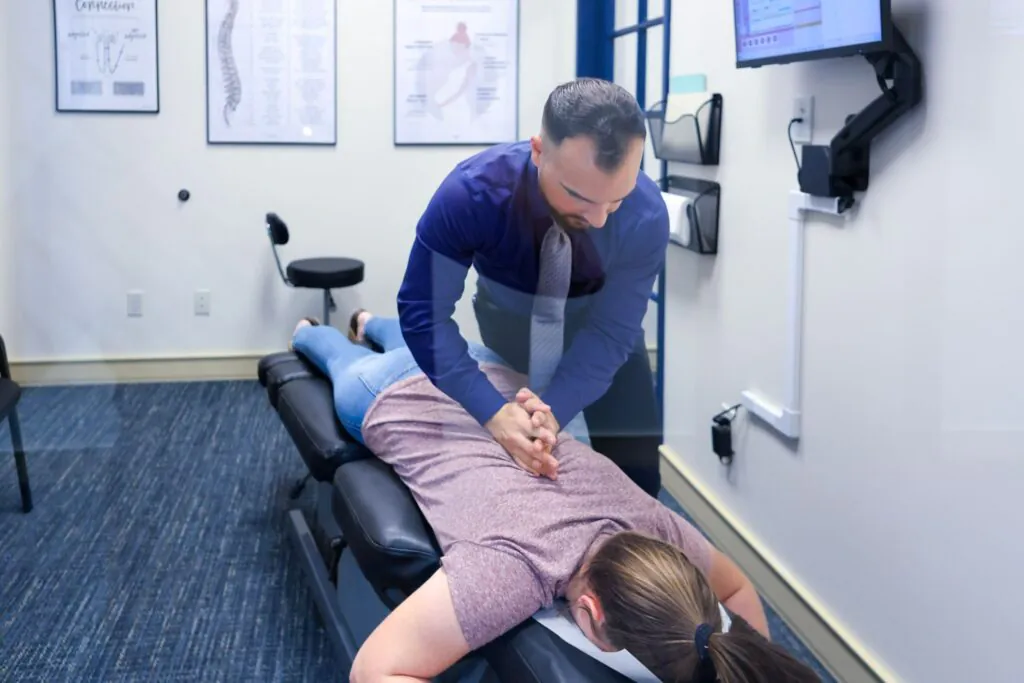

As a local chiropractor, I understand the burden that chronic migraines can place on your life. Many of my patients come to me searching for relief, often feeling frustrated after trying various treatments without success. Through my experience, I've found that a holistic approach can be incredibly effective. By identifying specific triggers and making mindful lifestyle changes, we can work together to develop strategies that not only alleviate your migraine symptoms but also enhance your overall health.
Chiropractic care focuses on the alignment of the spine and the nervous system, which can play a significant role in managing migraines. By addressing misalignments and tension in the body, we can help reduce the frequency and intensity of headaches. Are you interested in learning more about how chiropractic care can help you on your journey to relief? Let's explore these natural healing methods together.
Understanding Chronic Migraines
As a local chiropractor, I want to shed light on the often-overlooked issue of chronic migraines. Experiencing the relentless pain associated with chronic migraines can be incredibly overwhelming and isolating. Many individuals feel trapped in a cycle of discomfort that disrupts their lives and interferes with daily activities.
It's important to understand that chronic migraines aren't just typical headaches; they're a neurological condition marked by intense, recurring pain that can persist for hours or even days. Gaining a deeper understanding of this condition is the first step toward finding effective relief.
Many patients often wonder what triggers these debilitating episodes. While triggers can differ from person to person, common culprits may include stress, hormonal changes, certain foods, and environmental factors. You might find that bright lights or loud noises worsen your symptoms, which is why identifying and managing your specific triggers is crucial.
Recognizing the symptoms associated with chronic migraines is also vital. In addition to severe head pain, you may experience nausea, vomiting, and heightened sensitivity to light and sound. These symptoms can significantly disrupt both your personal and professional life, leading to feelings of frustration and helplessness.
As a chiropractor, I believe that managing chronic migraines often requires a holistic approach. You may need to explore various treatment options, including chiropractic adjustments, lifestyle changes, and alternative therapies.
One valuable tool is keeping a migraine diary, which can help you track patterns and discover what works best for you. By embracing a natural healing approach, such as chiropractic care, you may find a pathway to alleviate not only the pain but also the underlying issues contributing to your chronic migraines.
Together, we can work toward restoring balance and enhancing your overall well-being.
My Personal Journey
Living with chronic migraines can be an incredibly challenging experience, filled with unpredictability and frustration. Many patients I encounter share the same struggle of waking up each day uncertain if it will be a day of relief or a day consumed by pain.
It's common to feel like you're losing control over your life, especially when even simple tasks, like getting out of bed, become monumental challenges.
As a chiropractor, I often see patients who've tried various treatments—medications, acupuncture, and lifestyle changes—hoping to find a solution to their migraines. I understand the emotional rollercoaster that comes with this journey: the cycle of hope, followed by disappointment, and then hope again.
It can be disheartening, but I want to emphasize that there are natural healing methods that can significantly improve your quality of life.
Creating a supportive environment is crucial in managing migraines. I encourage my patients to reach out to friends and family for understanding and encouragement. Sharing your experiences can help lighten the burden, and having a support system can make a world of difference.
Through chiropractic care, many patients learn more about their bodies and how various factors—like posture, spinal alignment, and muscle tension—can contribute to their migraines.
By paying close attention to these elements, you can gain insights into what might trigger your symptoms and what may provide relief. Chiropractic adjustments and holistic approaches can help restore balance and function to your body, leading to a reduction in migraine frequency and intensity.
As you embark on your own journey towards relief, remember that persistence is vital. With the right guidance and support, you can find your path to managing migraines effectively.
As a chiropractor, I'm here to help you explore these natural healing options and work together towards a healthier, more balanced life.
Identifying Triggers
As a chiropractor, I want to emphasize the importance of understanding what triggers your migraines. Recognizing these triggers is a crucial step in managing your symptoms naturally and effectively. Each person's experience with migraines is unique, and identifying your specific triggers can help you reduce the frequency and intensity of your headaches.
One practical approach is to start a migraine diary. In this diary, record when your migraines occur, your activities at that time, what you ate, and any stressors you faced. Over time, this will help you identify patterns that may be linked to your migraines.
Some common triggers to be aware of include certain foods, hormonal changes, fluctuations in weather, and stress levels. For example, you might discover that specific items like aged cheeses, chocolate, or caffeine trigger your migraines, while these may not affect others.
It's also important to monitor your hydration; dehydration can significantly contribute to migraine episodes. Additionally, environmental factors such as bright lights, loud noises, or strong odors can also play a role in triggering migraines. If you find that certain situations consistently lead to a headache, you can work on avoiding those triggers.
In women, hormonal changes, especially around menstruation, can also lead to increased migraine frequency. Once you have identified your personal triggers, you can take proactive steps to modify your environment and lifestyle to avoid them.
This awareness puts you in control, allowing you to make informed choices that could help minimize your migraines. Remember, you aren't alone in this journey, and understanding what sets off your migraines is the first step toward relief.
Lifestyle Changes That Helped
As a chiropractor dedicated to promoting holistic health, I want to share some lifestyle changes that can significantly help manage migraine frequency and intensity. Many patients may not realize how interconnected our daily habits are with our overall well-being, especially when it comes to managing migraines.
First and foremost, hydration plays a crucial role. Dehydration is a common trigger for migraines, so it's essential to drink enough water throughout the day. I recommend aiming for at least eight glasses daily, as proper hydration can greatly reduce the occurrence of headaches and improve your overall health.
Next, let's talk about diet. Transitioning away from processed foods and focusing on whole, nutritious meals can make a substantial difference. Pay particular attention to your magnesium intake, as research indicates that magnesium may help prevent migraines. Including foods rich in magnesium, like spinach, nuts, and whole grains, in your diet can be beneficial.
Sleep is another critical factor in migraine management. Establishing a regular sleep schedule can help regulate your body's internal clock, which may reduce migraine triggers. I encourage you to go to bed and wake up at the same time every day, even on weekends. Consistent sleep patterns contribute to better overall health and may help mitigate headache episodes.
Lastly, incorporating regular physical activity into your routine is vital. Exercise isn't just about fitness; it's a natural way to release endorphins that can alleviate pain and reduce stress. Aim for at least 30 minutes of moderate exercise most days. This not only boosts your physical health but also supports your mental well-being, which is essential in managing migraines.
Holistic Approaches
As a local chiropractor, I want to share how holistic approaches can offer significant relief for those struggling with chronic migraines. These methods emphasize treating the whole person rather than just masking the symptoms. By incorporating some of these practices into your daily routine, you might discover ways to alleviate the pain and frequency of your migraines.
One effective technique I often recommend is mindfulness and meditation. Taking just ten minutes each day to practice deep breathing or guided meditation can help reduce stress, which is a common trigger for migraines. Clearing your mind and focusing on your breath can create a sense of calm that may prevent headaches from occurring.
Another valuable option is acupuncture. Many of my patients have reported a noticeable decrease in their migraine frequency after engaging in regular acupuncture sessions. This ancient practice involves the insertion of thin needles at specific points on the body, which can help relieve tension and enhance your overall energy flow.
Dietary adjustments can also play a significant role in managing migraines. I encourage you to keep a food diary to identify potential triggers. For some individuals, eliminating common culprits like aged cheeses, processed meats, or artificial sweeteners can lead to fewer headaches.
Additionally, incorporating anti-inflammatory foods such as fatty fish, leafy greens, and nuts can help reduce inflammation throughout the body.
Lastly, herbal supplements like butterbur or feverfew may offer preventive benefits for some individuals. However, I always advise consulting with a healthcare provider before starting any new supplement to ensure it's safe and appropriate for your specific situation.
Incorporating chiropractic care with these holistic approaches can enhance your overall well-being and help you manage migraine symptoms more effectively. If you have any questions or want to explore these options further, please feel free to reach out.
Medical Treatments Explored
As a local chiropractor, I want to share some insights on managing chronic migraines through natural healing and chiropractic care. Many people are unaware of the benefits that chiropractic treatments can offer in alleviating migraine symptoms.
Unlike prescription medications that often come with side effects, chiropractic care focuses on addressing the root causes of your discomfort. By utilizing spinal adjustments and other holistic approaches, we can help improve spinal alignment, reduce nerve irritation, and enhance overall body function.
Additionally, incorporating lifestyle changes and alternative therapies, such as nutritional guidance and stress management techniques, can further support your journey toward relief.
Let's explore these natural options together and find a personalized approach that works best for you in managing those chronic migraines. Your well-being is our priority!
Prescription Medications Overview
As a local chiropractor, I understand that managing chronic migraines can be a complex journey, often involving a variety of approaches. While many people may rely on prescription medications to alleviate pain and reduce the frequency of migraines, I want to share how chiropractic care and natural healing can also play a significant role in your wellness journey.
When it comes to treating migraines, many individuals use acute treatments, such as medications that are taken during an attack. These often include triptans, which narrow blood vessels to relieve pain, but they come with potential side effects. Chiropractic adjustments can provide a natural alternative by addressing misalignments in the spine that may contribute to headache triggers.
In addition to treating acute pain, it's important to consider preventive measures. Some people find relief through daily medications like beta-blockers or anticonvulsants, but these can take time to find the right fit. Chiropractic care focuses on holistic healing and can help reduce the occurrence of migraines by promoting better spinal health and improving nervous system function.
We also recognize the recent advancements in treatments, such as CGRP inhibitors, but incorporating natural therapies like chiropractic adjustments, massage, and lifestyle changes can enhance your overall well-being.
I encourage you to communicate openly about your symptoms and any concerns you may have. Together, we can create a personalized plan that aligns with your lifestyle and preferences.
Alternative Therapies Considered
As a local chiropractor, I often see patients who are seeking relief from chronic migraines and are interested in exploring alternative therapies beyond conventional medical treatments.
It's important to understand that there are various approaches that can complement or even replace traditional methods in managing your migraines effectively. Here are some alternative therapies you may want to consider:
- Chiropractic care: This is where I can help you. Chiropractic adjustments focus on spinal alignment, which can play a significant role in reducing the frequency and intensity of migraines. By ensuring your spine is properly aligned, we can alleviate tension and improve overall nervous system function.
- Acupuncture: This ancient practice involves inserting thin needles into specific points on the body. Many individuals have found relief from migraine pain through acupuncture, as it can help stimulate the body's natural healing processes.
- Yoga and meditation: Incorporating yoga and meditation into your routine can promote relaxation and reduce stress, both of which are beneficial for migraine sufferers. These practices can help you develop a greater mind-body connection and manage headache triggers more effectively.
- Herbal supplements: Some herbs, such as butterbur and feverfew, have been studied for their potential to reduce the occurrence of migraines. While it's essential to consult with a healthcare professional before starting any supplements, they can be a valuable addition to your wellness plan.
Each of these therapies offers a unique perspective on managing migraines, and I'm here to support you in finding the right approach.
It's crucial to do your research and consult with healthcare professionals, including myself, before diving into new treatments. Together, we can explore a combination of these methods to see what works best for you.
Keep an open mind, and pay attention to how your body responds as you navigate these alternative avenues. With the right balance of therapies, you may discover significant relief and an improved quality of life.
Neurological Interventions Discussed
As a local chiropractor, I want to share some insights on effective treatments for chronic migraines that you may not be aware of. While many people immediately think of medications, there are several natural interventions that can help alleviate your symptoms.
One treatment option is the use of botulinum toxin injections, which involve injecting small amounts of the toxin into specific muscle areas. This can help reduce the frequency and severity of migraines for some individuals. Many patients report significant relief after undergoing these sessions.
Another option is preventive medications, including anticonvulsants or antidepressants. These medications work by stabilizing nerve activity in the brain, which can help minimize the chances of a migraine attack. It's important to work with your healthcare provider to find the right medication and dosage tailored to your needs.
You might also consider neuromodulation techniques, such as transcranial magnetic stimulation (TMS) or occipital nerve stimulation (ONS). TMS uses magnetic pulses to stimulate nerve cells, while ONS involves implanting a small device to deliver electrical impulses to specific nerves associated with headaches. Both techniques can provide relief for certain patients.
In addition to these treatments, I encourage you to explore lifestyle changes. Incorporating regular chiropractic adjustments, proper nutrition, hydration, and stress management techniques can significantly enhance your overall results.
Always consult with your healthcare provider to create a comprehensive approach that specifically addresses your chronic migraine condition. As a chiropractor, I'm here to support you on your journey to wellness through natural healing methods.
The Role of Diet
As a local chiropractor dedicated to your overall health and well-being, I want to emphasize the crucial role that your diet can have in managing chronic migraines. Many individuals may not realize that what they consume can either trigger painful episodes or provide significant relief. By being mindful of your dietary choices, you can take an important step toward alleviating your migraine symptoms.
Let's explore some dietary factors that could be influencing your headaches:
- Caffeine: While moderate caffeine intake can sometimes help alleviate headache symptoms, excessive consumption may actually trigger migraines in some people.
- Aged cheeses and processed meats: These foods contain tyramine, which can provoke headaches in those who are sensitive to it.
- Alcohol: Many people find that beverages like red wine can be significant migraine triggers.
- Artificial sweeteners: Research has indicated that these may lead to headaches for certain individuals.
To better understand how your diet affects your migraines, consider keeping a food diary. This can help you pinpoint any specific triggers that may be unique to you.
Additionally, be mindful of your meal timing. Skipping meals or going too long without eating can lead to drops in blood sugar, which may contribute to migraine episodes.
Incorporating a balanced diet rich in fruits, vegetables, whole grains, and lean proteins is vital for your overall health and may help reduce the frequency of your migraines.
I encourage you to think about consulting with a nutritionist who's knowledgeable about migraines; they can assist in creating a personalized dietary plan that aligns with your health needs.
With a bit of experimentation and awareness, you can discover dietary choices that support your journey toward migraine relief and enhance your well-being.
Stress Management Techniques
As a local chiropractor, I want to emphasize the importance of managing stress, especially for those who suffer from chronic migraines.
Integrating techniques like mindfulness meditation and deep breathing exercises into your daily routine can significantly calm your mind and body, which in turn can alleviate stress-related tension that often contributes to migraine episodes.
By focusing on these natural healing practices, you can take an active role in your well-being.
Mindfulness meditation encourages you to be present in the moment, reducing anxiety and promoting relaxation.
Similarly, deep breathing exercises can help lower your heart rate and soothe your nervous system.
Understanding how these techniques work in conjunction with chiropractic care can enhance your overall health.
Let's work together to explore these methods and find effective ways to bring you relief from your migraines and improve your quality of life.
Mindfulness Meditation Practices
As a local chiropractor dedicated to helping you find relief from chronic migraines, I want to introduce you to the benefits of mindfulness meditation as a natural healing technique. This practice is an excellent complement to chiropractic care, as it enhances your ability to manage stress, a common trigger for migraines.
By fostering mindfulness, you can create a serene environment for your mind and body, supporting your overall well-being.
Here are some key benefits of incorporating mindfulness meditation into your routine for migraine relief:
- Reduced Stress: Mindfulness meditation significantly lowers stress levels, which is crucial, as stress can often lead to the onset of migraines.
- Increased Awareness: By practicing mindfulness, you become more attuned to your body's signals, allowing you to identify potential migraine triggers more easily.
- Enhanced Relaxation: This practice encourages deep relaxation, helping to alleviate muscle tension that may contribute to headaches.
- Improved Focus: Regular mindfulness practice sharpens your mental clarity, making it easier to handle daily stressors without feeling overwhelmed.
To start your mindfulness journey, find a quiet space where you can sit comfortably. Close your eyes and focus on your breath, allowing any thoughts that arise to drift away without judgment.
With consistent practice, mindfulness meditation can serve as a sanctuary of peace, complementing the chiropractic care you receive and supporting your path toward migraine relief.
Together, we can work towards a holistic approach to managing your health.
Deep Breathing Exercises
As a local chiropractor, I want to share with you an effective method for managing stress and alleviating chronic migraines: deep breathing exercises. These techniques tap into your body's natural ability to relax, helping to reduce tension and foster a sense of calm.
To begin, find a comfortable spot—whether sitting or lying down. Close your eyes and take a slow, deep breath in through your nose, allowing your abdomen to expand fully. Hold that breath for a brief moment, then gently exhale through your mouth. With each exhale, focus on letting go of any tension or stress you may be holding.
A helpful rhythm to follow is inhaling for four counts, holding for four counts, and exhaling for six counts.
You can practice these exercises for just a few minutes or longer if you find it beneficial. Deep breathing not only aids in stress reduction but also increases oxygen flow to your brain, which can be especially helpful during a migraine episode.
I encourage you to incorporate these deep breathing exercises into your daily routine, particularly during stressful moments or when you feel a migraine coming on. By making this practice a habit, you're not only equipping yourself with a powerful tool for managing migraines but also enhancing your overall well-being.
Support Systems and Resources
As a local chiropractor, I want to emphasize the importance of support systems when it comes to managing chronic migraines. You're not alone in this journey, and utilizing the right resources can significantly enhance your coping strategies. Connecting with others who understand your experiences can offer both comfort and valuable insights.
Here are some support options to consider:
- Chiropractic care: Regular visits to a chiropractor can help address physical aspects of your migraines. We can work together to create a tailored treatment plan that may alleviate some of your symptoms.
- Support groups: Look for local or online groups focused on migraine management. Sharing your experiences with others can lead to discovering new strategies and coping mechanisms.
- Healthcare professionals: It's essential to keep in touch with specialists, including your chiropractor, who can provide personalized advice and treatment options centered around holistic healing.
- Friends and family: Educating your loved ones about your condition allows them to offer better emotional support and practical assistance in your healing journey.
- Educational resources: There are numerous books, articles, and websites dedicated to understanding and managing chronic migraines, which can be incredibly beneficial.
Engaging with these resources can create a supportive environment that eases the burden of living with migraines. When you share your experiences, you may uncover new coping strategies or natural treatments that you hadn't considered before.
Having a community that truly understands your pain can provide a sense of relief and validation. I encourage you to reach out and build a network of support.
Whether it's through regular chiropractic sessions, community groups, or trusted friends, having someone to lean on can be invaluable. Remember, it's perfectly okay to ask for help; this is an important step towards managing your condition.
Lessons Learned Along the Way
Navigating the challenges of chronic migraines can be daunting, but as a chiropractor, I've seen firsthand how valuable natural healing and self-advocacy can be in this journey.
It's essential for patients to recognize that taking charge of their health is paramount. Open communication with your healthcare providers is key; make sure you share your symptoms in detail and how they affect your daily life. Never hesitate to ask questions or seek alternative perspectives if you feel your concerns aren't being addressed.
One of the most important aspects of managing migraines is the focus on self-care. As you explore chiropractic care, you'll find that lifestyle adjustments can significantly affect the frequency and intensity of your migraines. Prioritizing restorative sleep, maintaining hydration, and identifying dietary triggers are essential steps.
Keeping a migraine diary can be a powerful tool to help you pinpoint patterns and avoid specific triggers, giving you greater control over your health.
Equally important is the support of a strong network. Surrounding yourself with compassionate friends and family can provide emotional reinforcement during challenging times. They can assist you by accompanying you to appointments or simply offering a listening ear, which can be incredibly comforting.
Patience is another vital lesson in this process. Finding the right combination of treatments and coping strategies for chronic migraines is often a marathon, not a sprint. It's perfectly normal to try out different approaches before discovering what works best for you.
Celebrate every small victory along the way; each step forward, no matter how small, strengthens your resilience.
Ultimately, the lessons learned through this journey will deepen your understanding of your condition and empower you to manage it effectively. Embrace the path to natural healing and self-advocacy with an open heart, and know that chiropractic care can be an essential part of your wellness journey.
Conclusion
In your quest for relief from chronic migraines, it's important to understand the role that chiropractic care can play in your journey. By recognizing your individual triggers and implementing targeted lifestyle changes, you can take proactive steps toward better health. Chiropractic care focuses on aligning the spine and improving nervous system function, which can significantly alleviate migraine symptoms.
Incorporating holistic approaches such as dietary adjustments, stress management techniques, and alternative therapies can further enhance your overall well-being. Remember, you don't have to navigate this path alone; our chiropractic community is here to support you every step of the way. With dedication and the right strategies, you can improve your quality of life and lessen the impact of chronic migraines. Embrace the power of natural healing and take control of your health today!