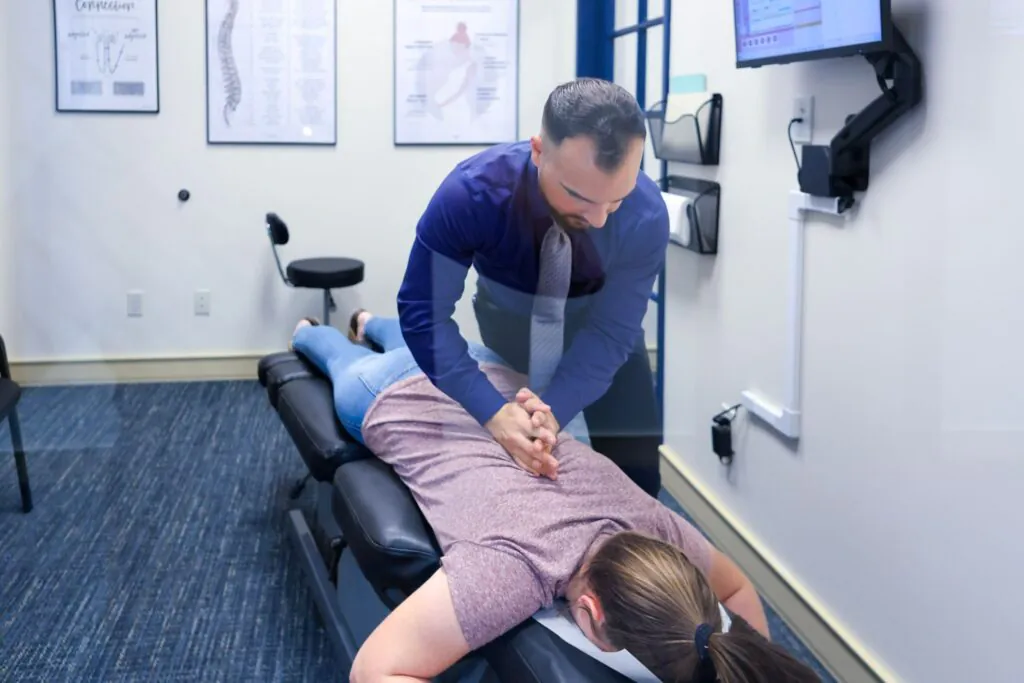

As a local chiropractor, I want to emphasize that your posture while working can significantly impact your overall wellness. Many of you may spend long hours sitting at a desk, often without realizing that poor posture can lead to chronic pain and hinder your productivity. By making simple adjustments and setting up an ergonomic workspace, you can cultivate a more comfortable environment that promotes your well-being.
So, what specific techniques can you adopt to improve your posture and health? Here are some strategies that could transform your work experience. First, consider your chair height and lumbar support—ensuring that your lower back is properly supported can make a world of difference. Additionally, be mindful of your screen height; your monitor should be at eye level to prevent neck strain. Taking regular breaks to stretch and move around is also crucial in counteracting the effects of prolonged sitting.
By exploring these posture correction strategies, you may find a healthier, more productive work life. Remember, chiropractic care can also assist in addressing any underlying issues and guide you on your journey to better posture and overall wellness.
Importance of Posture
As a local chiropractor, I want to emphasize the vital role that good posture plays in your overall health and well-being, particularly in a workplace environment. Many may not realize that maintaining proper posture goes beyond just looking confident; it's a key factor in preventing physical discomfort and long-term health problems.
When your spine and joints are properly aligned, you reduce the strain on your muscles and ligaments, which can leave you feeling more energized and focused throughout your day.
Consider how often you find yourself sitting at a desk or working on a computer. If you tend to slouch or hunch over, this can lead to fatigue and a drop in productivity. Good posture enhances blood circulation, ensuring that your body receives the oxygen and nutrients it needs to operate at its best. It also supports your internal organs, enabling them to function effectively.
Furthermore, good posture can have a positive impact on your mood and self-esteem. Standing tall or sitting upright sends powerful signals to your brain that you're confident and equipped to handle challenges. This shift in mindset can improve your interactions with colleagues and foster better teamwork.
Incorporating good posture into your daily life doesn't have to be a daunting task. Start by being more aware of your body position while sitting or standing. Adjust your workspace to promote proper alignment, invest in supportive chairs, and remember to take breaks to stretch regularly.
By prioritizing your posture, you're making a significant investment in your health and productivity.
Common Posture Issues
As a local chiropractor, I want to bring your attention to some common posture issues that many people face, often without even realizing it.
Slouching and a forward head position are prevalent problems that can develop over time, especially if you spend long hours at a desk. Poor desk ergonomics frequently contribute to these misalignments, making it more challenging to maintain proper posture throughout your day.
It's important to understand how these factors can affect not only your posture but also your overall well-being and productivity.
When your spine is misaligned, it can lead to discomfort and tension, which may hinder your ability to focus and perform at your best.
By addressing these issues through proper chiropractic care, we can help you achieve better alignment, reduce tension, and promote a healthier lifestyle.
Let's work together to enhance your posture and improve your quality of life!
Slouching and Forward Head
As a local chiropractor, I want to shed light on some common issues that many of you may be facing without even realizing it—specifically, slouching and forward head posture.
With the rise of desk jobs and increased screen time, these postural habits have become widespread in our daily lives, and they can significantly affect not only your health but also your productivity.
When you slouch, your spine becomes misaligned. This misalignment can lead to tension in your back, neck, and shoulders, resulting in discomfort and fatigue. You may find it increasingly difficult to concentrate on your work because your body is sending signals of distress.
Forward head posture, which occurs when your head juts forward from your body, often accompanies slouching. This positioning places additional strain on your cervical spine, leading to chronic pain and headaches.
You might observe that as your head shifts forward, your shoulders tend to round, creating a cycle that intensifies your discomfort.
To address these issues, becoming aware of your posture throughout the day is essential. I encourage you to take a moment to regularly check in with your body.
Make small adjustments to ensure that you're sitting up straight and aligning your head directly over your spine. Incorporating brief posture breaks and gentle stretches into your routine can also be incredibly beneficial in relieving the strain associated with slouching and forward head posture.
By taking these steps, you can improve your overall workplace wellness and enhance your well-being.
If you're looking for personalized guidance or further support, I'm here to help you on your journey toward better posture and health through chiropractic care and natural healing methods.
Desk Ergonomics Misalignment
As a local chiropractor, I've seen many patients struggle with posture issues that can often be traced back to poor desk ergonomics. Slouching and forward head posture are common complaints, and they can be made worse if your workspace isn't set up properly.
It's crucial that your computer monitor is positioned at the right height. If your screen is too low or too high, you may find yourself leaning forward or straining your neck. Ideally, the top of your monitor should be at eye level, allowing you to keep your head in a neutral position and reducing strain on your neck and spine.
Equally important is your chair. If it's too low, you might hunch over, leading to discomfort in your back and shoulders. Conversely, a chair that's too high can cause you to raise your shoulders uncomfortably, which can create tension and pain.
Ensure that your feet are flat on the floor or on a footrest, so your hips and knees are at a right angle—this alignment is essential for maintaining good posture.
Don't forget about the placement of your keyboard and mouse. They should be positioned close enough for your elbows to remain at a 90-degree angle while you type. This minimizes unnecessary strain on your arms and shoulders.
Remember, taking regular breaks to stretch and adjust your position is also vital. Small adjustments in your workspace can have a significant impact on your posture and overall comfort.
Health Effects of Poor Posture
As a local chiropractor, I want to shed light on the significant health impacts of poor posture, which often go unnoticed until they escalate into more serious issues. When you find yourself slouching or hunching over your desk, it can severely disrupt your spine's natural alignment. This misalignment is a common culprit behind chronic back pain that often radiates to the neck and shoulders, creating tension that can hinder your ability to concentrate on daily tasks.
Moreover, poor posture can have a detrimental effect on your breathing. Slouching compresses your lungs and diaphragm, limiting your oxygen intake. This restriction can lead to feelings of fatigue and decreased energy levels, making you feel sluggish and less productive throughout the day.
Your digestive health can also suffer from improper sitting habits. When you slouch, it compresses your abdomen, which can result in uncomfortable issues such as acid reflux and constipation. These discomforts not only detract from your overall well-being but also impact your ability to stay focused.
It's important to recognize that the effects of poor posture aren't limited to physical health; they can also significantly influence your mood and self-confidence. Research has shown that individuals who maintain an upright posture tend to feel more assertive and positive. On the other hand, a slouched posture can contribute to feelings of sadness or anxiety, which can affect your workplace interactions and relationships with colleagues.
Furthermore, if poor posture becomes a long-standing habit, it can lead to lasting musculoskeletal disorders. The small discomforts you may experience now could potentially develop into chronic conditions in the future. By taking proactive steps to improve your posture today, you can help prevent a host of health issues down the line.
As a chiropractor, I encourage you to be mindful of your posture and consider seeking guidance on how to maintain proper alignment. Your spine deserves attention and care, and addressing posture can lead to a healthier, more vibrant life.
Ergonomic Workstation Setup
As a chiropractor, I want to emphasize the importance of setting up your workstation ergonomically for your overall health and well-being. An ergonomic workspace can significantly enhance your comfort and boost your productivity while reducing the risk of strain and injury.
First, let's talk about your chair. It's crucial to adjust the height so that your feet are flat on the floor and your knees are at a right angle. This simple change can help maintain proper posture and support your spine.
Next, consider your monitor. Position it at eye level to avoid straining your neck. This will allow you to keep your head aligned with your spine, minimizing tension and discomfort.
Lastly, keep your keyboard and mouse within easy reach. Your arms should be relaxed and close to your body when using these devices. This positioning helps prevent unnecessary strain on your shoulders and wrists, which can lead to pain over time.
By making these adjustments, you're not just creating a comfortable workspace; you're supporting your body's natural alignment and reducing the risk of musculoskeletal issues.
Ideal Chair Height
As a local chiropractor, I want to emphasize the importance of achieving the ideal chair height for your overall well-being and comfort, especially during long working hours. Proper chair height plays a crucial role in creating an ergonomic workstation that supports your spine and promotes good posture.
When your chair is at the appropriate height, your feet should rest flat on the ground or on a footrest, with your knees bent at approximately a 90-degree angle. This alignment helps alleviate strain on your lower back and encourages a healthier posture throughout your day.
To determine the right chair height, adjust your chair so that your hips are level with or slightly above your knees. If your chair includes adjustable armrests, ensure they allow your arms to rest comfortably at your sides without raising your shoulders. This adjustment can help prevent tension in your neck and shoulders, which are common areas where people experience discomfort.
If you find that your desk is too high or too low, consider investing in a height-adjustable desk or a supportive chair cushion. Remember, comfort is essential; you should feel relaxed and supported while you work, rather than strained or stiff.
It's also important to regularly check your chair height, particularly if you share your workspace with others. Even small adjustments can significantly enhance your comfort and productivity.
Prioritizing your chair height is a simple yet effective way to take care of your body, and trust me, your spine will thank you for it!
Monitor Positioning Tips
As a chiropractor dedicated to your overall well-being, I want to emphasize the importance of proper ergonomics in your workspace, particularly when it comes to your monitor positioning.
Many patients often overlook how their workstation setup can impact their spinal health and lead to discomfort. Here are some essential tips to help you optimize your monitor placement for a healthier posture:
- Eye Level: Ensure that the top of your monitor screen is positioned at or just below eye level. This alignment helps maintain a neutral neck position, minimizing the risk of strain and discomfort in the cervical spine.
- Distance: Your monitor should be about an arm's length away from your eyes. This distance is crucial for reducing eye strain and allows you to read comfortably without needing to squint or lean forward.
- Tilt: A slight backward tilt of your monitor (around 10 to 20 degrees) can significantly reduce glare and improve your line of sight. This small adjustment can make it easier for you to see the screen clearly, which is vital for preventing neck and back strain.
- Centering: Position your monitor directly in front of you, aligning the center of the screen with your body. This alignment helps prevent unnecessary twisting of your spine and encourages a more relaxed and supportive posture.
By following these tips, you can create a more ergonomic workstation that supports your spine and overall health.
If you have any questions or need further assistance, don't hesitate to reach out during your next visit. Your comfort and well-being are my priority!
Keyboard and Mouse Placement
As a chiropractor, I understand the importance of creating an ergonomic workstation to support your overall health and well-being. One key aspect of this is the proper placement of your keyboard and mouse, which is crucial for preventing discomfort and injury.
To start, position your keyboard at elbow height. This allows your arms to rest comfortably at your sides and keeps your elbows at a 90-degree angle or slightly greater. This alignment is vital for reducing strain on your shoulders and wrists, which can lead to long-term issues if neglected.
Next, it's essential to keep your mouse close to your keyboard. This minimizes the need to reach and helps maintain a neutral wrist position. Both your keyboard and mouse should be on the same surface, which prevents you from having to stretch or twist your body in awkward ways. By doing this, you can significantly reduce the risk of repetitive strain injuries that I often see in my practice.
If you notice that your wrists tend to sag while typing or using the mouse, consider incorporating a wrist rest. This simple addition can provide the support necessary to keep your wrists aligned, enhancing both comfort and productivity.
Finally, remember to keep your hands relaxed and flat while typing. Avoid lifting your wrists or hovering your hands above the keyboard.
Posture Correction Techniques
As a local chiropractor, I'm here to share some effective posture correction techniques that can help you achieve a healthier alignment throughout your workday.
By making these adjustments in your daily routine, you can alleviate discomfort and enhance your productivity. Here are four simple techniques that I encourage you to try:
1. Adjust Your Chair: It's crucial to ensure that your chair provides adequate support for your lower back, allowing your feet to rest flat on the ground.
If your feet don't quite reach the floor, consider using a footrest to maintain proper alignment.
2. Align Your Monitor: Positioning your computer screen at eye level, approximately an arm's length away, is essential.
This adjustment helps prevent neck strain and encourages you to maintain an upright posture while you work.
3. Practice the Wall Test: A great exercise to understand proper posture is the Wall Test.
Stand against a wall with your heels a few inches away from it. Your head, shoulders, and buttocks should all be in contact with the wall.
This position serves as a guide for the correct posture to aim for while sitting.
4. Engage Your Core: Strong core muscles are vital for supporting your spine.
I recommend incorporating exercises such as planks and bridges into your fitness routine to gradually improve your posture over time.
By integrating these techniques into your daily life, you can work towards better posture and overall well-being.
Remember, taking care of your spine is an investment in your health!
If you have any questions or need further guidance, feel free to reach out during your next visit.
Encouraging Movement Breaks
As a local chiropractor, I want to emphasize the importance of incorporating movement breaks into your daily routine for both your physical and mental well-being. Many people are unaware that prolonged sitting can lead to stiffness, fatigue, and even reduced productivity. By integrating short movement breaks, you can alleviate these issues and boost your energy levels.
I recommend standing up and doing simple stretches every hour. Movements like neck rolls, shoulder shrugs, and back stretches can significantly improve your comfort and flexibility. To help you remember, consider setting a timer or using a reminder app. When it's time for a break, take a moment to walk around your workspace or step outside for some fresh air. A change of scenery can refresh your mind and enhance your focus.
If you're working in a team environment, I encourage you to involve your coworkers in these movement breaks. Making it a group activity not only fosters a supportive atmosphere but also prioritizes wellness for everyone. Think about organizing quick walking meetings or group stretching sessions—these can be both fun and beneficial.
Moreover, try to weave movement into your daily tasks. Opt for the stairs instead of the elevator, or walk to a colleague's desk instead of sending an email. These small changes can have a big impact on your overall health and well-being.
Training and Awareness Programs
Enhancing your overall wellness starts with understanding the importance of posture and ergonomics, especially in your daily activities. As a local chiropractor, I want to emphasize how your posture significantly impacts your health and well-being.
When you become aware of how to adjust your posture throughout the day, you can prevent discomfort and promote better health. It's essential to foster a culture of well-being, even in your workplace or home environment.
Here are four key components I recommend incorporating into your daily routine for better posture and ergonomics:
- Posture Workshops: Participating in workshops focused on posture can be incredibly beneficial. These sessions provide hands-on experience where you can learn proper sitting and standing techniques. You'll have the opportunity to practice and receive feedback tailored to your body's needs.
- Ergonomic Assessments: An individual ergonomic assessment is a valuable tool. I can help you tailor your workstation or home environment to suit your specific needs, ensuring that your setup promotes optimal posture. This personalized approach makes a significant difference in your comfort and health.
- Educational Materials: I believe that knowledge is power. I encourage you to utilize easy-to-understand handouts or online resources that reinforce what you learn about posture. These materials can provide you with valuable tips and exercises to improve your posture and overall spinal health.
- Ongoing Support: Establishing a support system, whether through friends, family, or even a community group, can greatly help you maintain good posture habits. Regular check-ins with a chiropractor or a wellness buddy can keep you motivated and accountable for your health journey.
By prioritizing these components, you can take proactive steps towards enhancing your wellness and improving your posture.
Long-Term Benefits of Good Posture
As a local chiropractor, I want to emphasize the importance of good posture not just for immediate comfort, but for your long-term health and well-being. Many people may not realize that maintaining proper posture can help prevent chronic pain issues down the line. Poor posture often leads to problems like back and neck pain, and these conditions can worsen over time if not addressed. By taking steps to correct your posture now, you can significantly reduce the risk of these painful ailments developing in the future.
Good posture also plays a crucial role in enhancing your breathing and digestion. When you sit or stand up straight, your internal organs have more space to function effectively. This improvement in alignment can boost your respiratory efficiency and promote better digestion, leading to increased energy levels and overall vitality.
Moreover, maintaining an upright posture can positively influence your mood and mental clarity. When you're aligned properly, you may feel more confident and focused, which naturally leads to greater productivity in your daily activities.
In addition, good posture is vital for those engaged in physical activities. Whether you're lifting weights or simply going for a walk, having your body in the right alignment will enhance your performance and minimize the risk of injuries.
Investing in good posture is an investment in your overall health. The benefits extend far beyond just feeling comfortable at your desk; they can influence many aspects of your life.
I encourage you to take the time to correct your posture today, and you'll reap the long-term rewards of improved health and well-being. As your chiropractor, I'm here to guide you on this journey toward better posture and a healthier lifestyle.
Conclusion
As a local chiropractor, I want to emphasize the importance of posture correction not only for your comfort but also for your overall health and productivity. By focusing on proper posture in your daily routines, you can significantly reduce discomfort and enhance your well-being. I encourage you to consider ergonomic setups in your workspace, take regular movement breaks, and explore training programs that can educate you on maintaining good posture.
Creating a culture that prioritizes health and posture can lead to a noticeable decrease in chronic pain and an increase in your overall morale. Remember, good posture is not just a luxury; it is vital for a healthy lifestyle. By understanding and practicing proper posture, you can help your body function better and thrive in both work and life. Let's work together to make your health a priority!