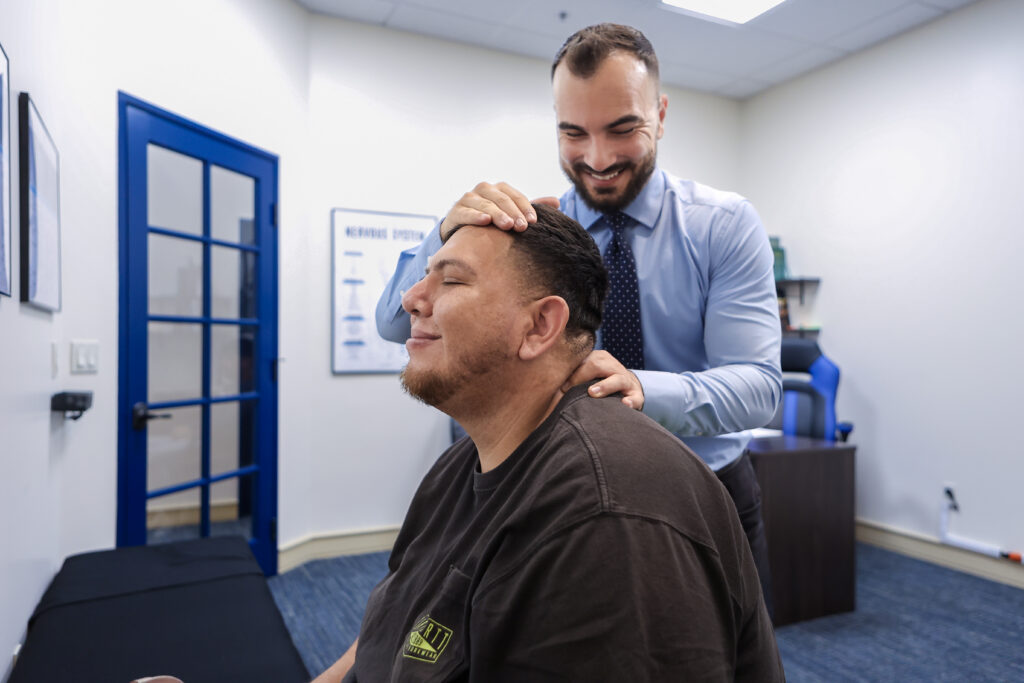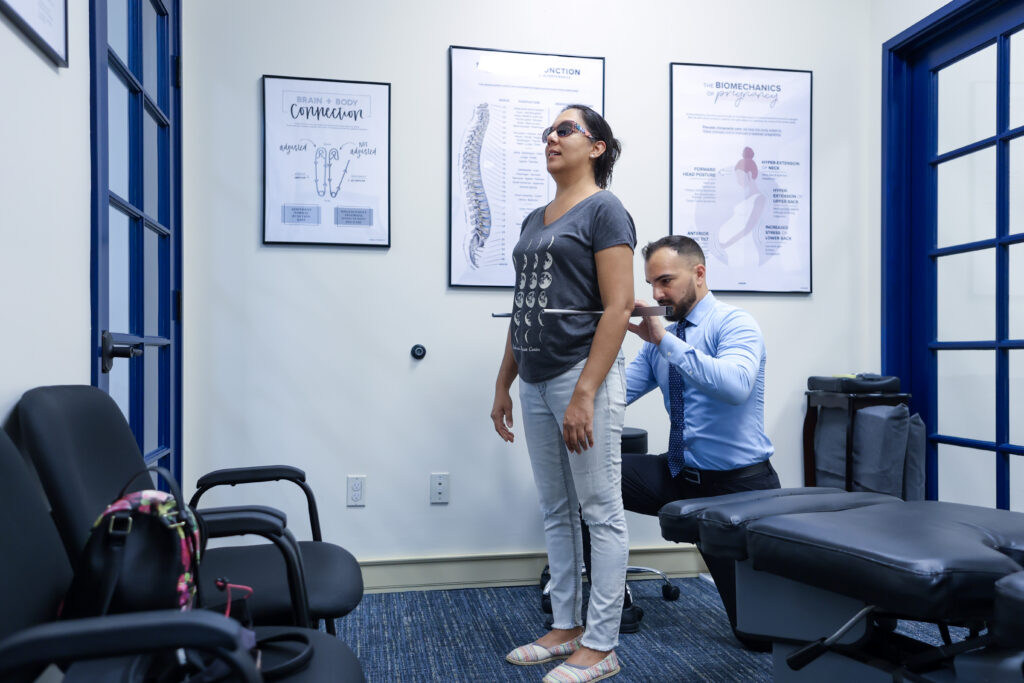

As a local chiropractor, I understand that dealing with muscle strain and back pain can be incredibly frustrating. You’re not alone in this struggle—many individuals face similar challenges, often arising from everyday activities and habits. It’s crucial to recognize the root causes of these issues, as this understanding can lead you toward effective solutions.
Many times, back pain is caused by improper lifting techniques, poor posture, or repetitive movements that stress the spine. By identifying these contributing factors, we can create a tailored approach to your recovery. Chiropractic care focuses on natural healing methods that promote overall wellness and help alleviate pain without relying on medications.
Let’s work together to explore some practical strategies that can make a significant difference in your daily life. From personalized adjustments to exercises that strengthen your back, my goal is to empower you with the knowledge and tools to manage your pain and improve your quality of life. Remember, taking the first step towards recovery is often the most important one.
Understanding Muscle Strain and Back Pain
As your local chiropractor, I want to share some important information about how you can protect your back and avoid muscle strain. Many of us don’t realize that when we lift something heavy or twist our bodies in an awkward way, we could be putting our back at risk.
Muscle strain happens when the muscles or tendons in your back are stretched beyond their limits, which can lead to pain, stiffness, or discomfort. This strain can hit you suddenly or build up over time due to repetitive movements.
It’s crucial to understand how muscle strain can lead to back pain and how to prevent it. You might experience symptoms like a sharp or dull ache, muscle spasms, or even find that your mobility is limited. Some activities may make your discomfort worse, and being aware of these triggers is key to managing your pain.
To help protect your back, I encourage you to focus on proper lifting techniques and incorporate core strengthening exercises into your routine. Additionally, maintaining good posture while sitting or standing is vital for supporting your back health.
By being mindful of your movements and how they affect your muscles, you can take proactive steps to prevent strain and keep your back feeling great.
Remember, chiropractic care can also play a significant role in your healing journey. Regular adjustments can help align your spine, alleviate pain, and improve your overall function.
If you’re experiencing any discomfort, don’t hesitate to reach out—I’m here to guide you on your path to natural healing and better back health.
Identifying the Causes of Back Pain
As a local chiropractor, I want to help you understand the various causes of back pain so you can take control of your health and well-being. Back pain can originate from different sources, and recognizing these causes is crucial for effective management and healing.
Many people experience discomfort due to muscle strain, which often arises from lifting heavy objects or maintaining poor posture. Additionally, conditions such as herniated discs or sciatica can significantly impact nerve function, leading to pain and discomfort.
Chronic issues may also stem from arthritis or degenerative disc disease, which require careful attention and a tailored approach to treatment.
It’s important to note that emotional stress can manifest physically, resulting in tension within your back muscles. Lifestyle choices, including a lack of exercise or being overweight, can further aggravate your back pain.
That’s why I encourage you to evaluate your daily habits and environment for any potential contributors.
By pinpointing the root causes of your discomfort, you can take the first steps toward alleviating your pain and enhancing your overall well-being. A comprehensive understanding of what’s causing your back pain will empower you to seek appropriate natural solutions, such as chiropractic care, which focuses on restoring balance to your body and promoting healing from within.
Together, we can work towards a healthier, pain-free life.
Effective Home Remedies for Back Discomfort
As a local chiropractor, I want to share some effective home remedies for managing back discomfort that you might find helpful. Many of my patients have experienced relief through simple techniques.
For instance, utilizing ice and heat therapy can significantly alleviate pain and inflammation. Ice can numb the area and reduce swelling, while heat can help relax tight muscles and promote blood flow.
Additionally, incorporating gentle stretching exercises into your routine is vital. These stretches not only improve your flexibility but also strengthen the muscles that support your spine, potentially preventing future discomfort.
It’s important to listen to your body and move within your comfort zone.
By exploring these natural healing methods, you can take proactive steps toward better back health. If you’re ever unsure about how to proceed, don’t hesitate to reach out for guidance.
Your well-being is my priority, and I’m here to support you on your journey to feeling better.
Ice and Heat Therapy
As a local chiropractor, I want to share some valuable insights about managing back discomfort without immediately turning to medication. Ice and heat therapy are two effective techniques you can use right at home.
When you first start feeling pain, it’s important to use ice therapy within the first 48 hours. Applying an ice pack wrapped in a cloth for 15-20 minutes can help reduce inflammation and numb any sharp sensations. This is a crucial step in preventing further injury and promoting healing.
After that initial period of ice therapy, it’s time to switch gears and introduce heat therapy. A warm compress or heating pad can work wonders by soothing tight muscles and improving blood circulation, which is essential for recovery.
I encourage you to alternate between ice and heat based on what feels comfortable for you. Always pay attention to your body’s signals; if something doesn’t feel right, it’s best to stop and reassess.
These simple yet effective techniques can help you manage your back pain naturally, allowing your body to heal without relying solely on medication.
If you have any questions or need further guidance, feel free to reach out. Your health and well-being are our top priorities!
Gentle Stretching Exercises
As a chiropractor, I often emphasize the importance of incorporating gentle stretching exercises into your daily routine to effectively manage back discomfort. Simple movements can significantly improve your spine’s flexibility and overall health.
For instance, the cat-cow pose is a fantastic way to flex and extend your spine, promoting better alignment. Another excellent stretch is the child’s pose, which helps to relax your back muscles and enhance flexibility.
Additionally, seated forward bends are great for stretching your hamstrings and lower back, which can alleviate tension. When performing these stretches, aim to hold each position for 15 to 30 seconds while focusing on your breath to deepen your relaxation.
Remember, it’s vital to listen to your body; if you encounter any pain, don’t push through it. Consistency is key, so try to practice these stretches daily or at least a few times a week.
Over time, you’ll likely experience improved mobility and a reduction in discomfort, making daily activities much more manageable. Stretching not only helps ease pain but also contributes to your overall wellbeing, which is essential for maintaining a healthy lifestyle.
Strengthening Exercises for a Healthy Back
As your local chiropractor, I want to emphasize the importance of incorporating strengthening exercises into your daily routine to maintain a healthy back.
Focusing on core stability, flexibility, and resistance training is crucial for building a strong foundation that supports your spine. Let’s delve into some key workouts that can significantly enhance your back health and overall well-being.
By strengthening your core muscles, you provide essential support to your spine, which can help prevent injuries and alleviate pain.
Incorporating flexibility exercises can improve your range of motion and reduce stiffness, while resistance training builds muscle strength, further protecting your back.
Together, these practices contribute to a holistic approach to back health, aligning perfectly with the principles of chiropractic care and natural healing.
Core Stability Workouts
As a local chiropractor, I want to emphasize how vital core stability workouts are for maintaining a healthy back. Many individuals overlook this crucial aspect of wellness. A strong core not only supports your spine but also reduces the risk of injuries and enhances your overall posture, which is essential for your well-being.
To begin incorporating core stability workouts into your routine, I recommend starting with exercises such as planks, bridges, and bird-dogs. These movements engage your deep abdominal muscles and provide crucial support to your pelvis and spine.
Consistency is key—aim to include these exercises in your weekly schedule three to four times. As you become more comfortable, you can gradually increase the duration or intensity of each exercise.
It’s important to remember that core stability isn’t solely about strength; balance and coordination play significant roles too. By prioritizing core stability, you can alleviate existing back pain and protect yourself from future discomfort.
Trust me, your back will be grateful! Embracing these practices will complement the chiropractic care you receive and contribute to your overall health and wellness journey.
Flexibility and Mobility Routines
As a local chiropractor, I want to emphasize the importance of flexibility and mobility routines in maintaining a healthy back. While core stability workouts are essential for back health, incorporating flexibility and mobility exercises into your daily routine is just as crucial. These routines help you achieve a full range of motion and significantly reduce the risk of injury.
Regular stretching is key to enhancing flexibility, which allows your body to move more freely and efficiently. I recommend including exercises such as cat-cow stretches, hip flexor stretches, and gentle twists in your regimen. These movements not only relieve tension but also promote relaxation in the spine and surrounding muscles.
Additionally, engaging in mobility exercises, like dynamic lunges or shoulder rolls, can greatly improve joint health and function. By prioritizing flexibility and mobility, you’re not just supporting your back; you’re laying the groundwork for your overall well-being.
Resistance Training Techniques
As a local chiropractor, I want to share with you the benefits of incorporating resistance training techniques into your routine, especially for enhancing the strength and stability of your back.
Focusing on exercises like deadlifts, bent-over rows, and planks can effectively target your back muscles and promote better spinal health.
It’s important to prioritize proper form during these exercises to prevent any injuries. If you’re just starting out, I recommend using lighter weights and gradually increasing them as your strength improves.
Resistance bands can also be a great addition to your workouts, offering versatility and support while you build your strength.
I suggest aiming for two to three sessions each week, making sure to allow your muscles adequate time to recover between workouts.
Additionally, combining these resistance exercises with core strengthening movements is crucial, as a strong core provides essential support for your back.
By consistently integrating resistance training into your routine, you can alleviate pain, improve your overall posture, and enhance your functionality.
Remember, these exercises are a natural approach to strengthening your body and promoting your overall well-being.
If you have any questions or need guidance, feel free to reach out. Your health is our priority!
The Role of Posture in Preventing Back Pain
As a local chiropractor, I want to emphasize the vital role of good posture in preventing back pain and promoting overall health. Maintaining the spine’s natural alignment is crucial for your well-being. When you sit or stand properly, your body weight is distributed evenly, which helps minimize strain on your muscles and ligaments.
To start, focus on aligning your ears, shoulders, and hips—this alignment creates a straight line that supports your spine effectively.
If you spend a lot of time at your desk, make sure your feet are flat on the floor and your knees are at a right angle. It’s important to use a chair that provides support for your lower back, allowing your arms to rest comfortably at your sides.
For those of you who are frequently on your feet, remember to distribute your weight evenly between both feet and avoid slouching, as this can lead to discomfort and pain.
I encourage you to regularly check your posture throughout the day; being mindful of your body position is key to developing healthy habits.
By prioritizing proper posture, you can significantly reduce your risk of back pain and enhance your overall comfort and well-being.
If you have any questions about how chiropractic care can further support your posture and health, feel free to reach out!
When to Seek Professional Help
As a local chiropractor, I understand that many people may not be familiar with the benefits of chiropractic care and natural healing, especially when it comes to back pain.
So, how can you tell when it’s time to consider seeking our help?
First, if your back pain persists for more than just a few days, or if it doesn’t seem to improve with rest, that’s a clear sign to reach out to a healthcare provider like myself.
It’s essential to pay attention to any other symptoms you may be experiencing, such as numbness, tingling, or weakness in your legs, as these can indicate that your condition needs professional assessment.
If you’ve recently sustained an injury and are experiencing sudden, intense pain, don’t hesitate to consult with a chiropractor.
We’re trained to evaluate and treat such issues effectively. Additionally, symptoms like fever, unexplained weight loss, or changes in bowel or bladder function should never be overlooked, as they can signify more serious underlying conditions that require immediate attention.
Another important factor to consider is how your pain affects your daily life.
If simple activities become challenging due to discomfort, it’s a strong indicator that you should seek professional help.
By addressing your back pain early on, you can prevent further complications and support a quicker recovery.
At our chiropractic practice, your health is our top priority.
Trust your instincts—if something doesn’t feel right, don’t hesitate to reach out.
Taking proactive steps towards treatment can lead to effective relief and help you return to the activities you love.
We’re here to guide you on your journey back to wellness through natural healing methods.
Tips for Maintaining Long-Term Spinal Health
As a local chiropractor, I want to share some essential tips for maintaining long-term spinal health, especially after you’ve addressed any immediate back pain issues.
It’s crucial to incorporate regular physical activity into your daily routine. Activities such as walking, swimming, and yoga can significantly strengthen your back and enhance your flexibility, which are key components of spinal health.
Be mindful of your posture throughout the day, particularly if you find yourself sitting for extended periods. Investing in ergonomic furniture can provide the necessary support for your spine, helping to reduce strain and discomfort.
Stretching is another vital aspect of maintaining a healthy spine. It helps keep your muscles flexible and alleviates tension that can lead to pain. When lifting heavy objects, always remember to bend your knees and keep the load close to your body to protect your back.
A balanced diet is also important; ensure you’re getting enough calcium and vitamin D to support strong bones.
Lastly, prioritize your sleep quality by using a supportive mattress and pillow, as this can make a significant difference in how your spine feels each day.
By making these lifestyle adjustments, not only can you alleviate any current discomfort, but you can also help prevent future back pain. This proactive approach to spinal health will ensure your spine remains healthy for years to come.
If you have any questions or need guidance, feel free to reach out—I’m here to help you on your journey to better spinal health!
Conclusion
As a local chiropractor dedicated to your well-being, I want to share some insights on conquering muscle strain and back pain through natural healing approaches. Prevention and effective management are key components of maintaining a healthy back. Understanding the underlying causes of your discomfort is essential, and that starts with educating yourself about good posture and body mechanics.
Incorporating specific strengthening exercises into your daily routine can significantly decrease your risk of future pain. Remember, your body often communicates with you, so pay attention to its signals. Utilizing home remedies like ice and heat therapy can provide immediate relief when needed.
However, if you find that your pain persists, it’s crucial to seek professional help. As a chiropractor, I can offer tailored treatment plans that focus on restoring balance and function to your spine, which is vital for your long-term health. Taking charge of your back health today not only improves your quality of life but also empowers you to engage in the activities you love. Let’s work together on your journey to a pain-free back!