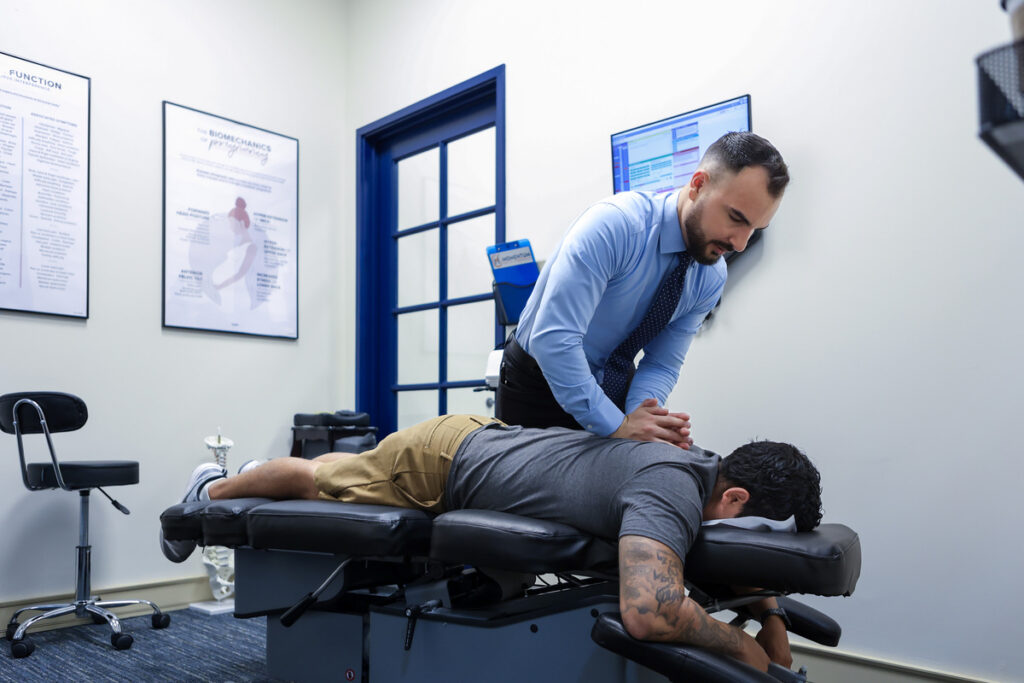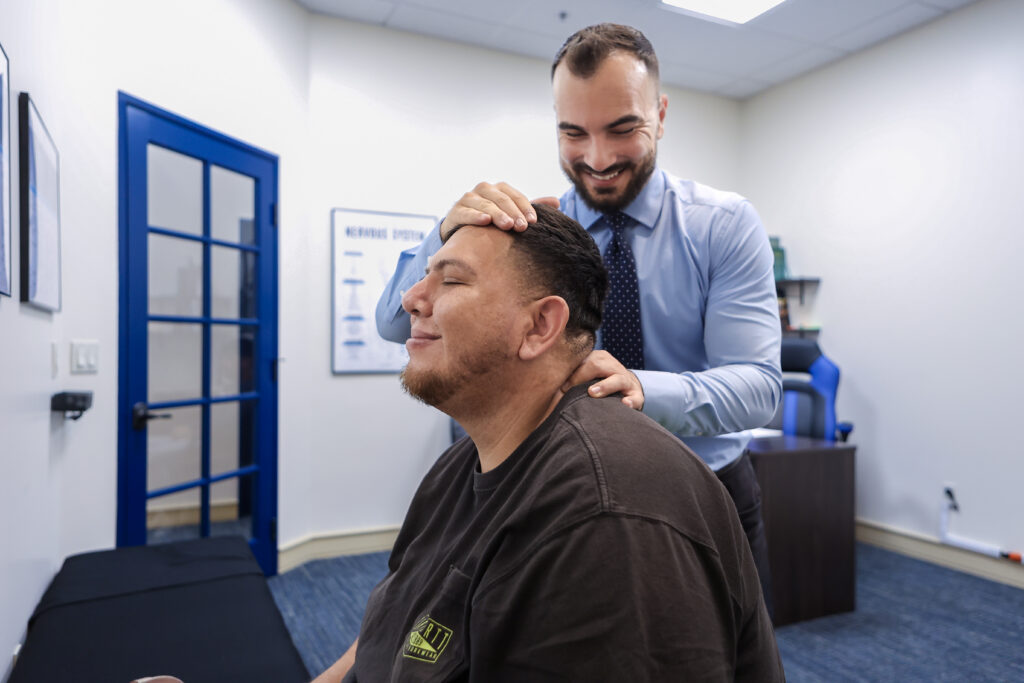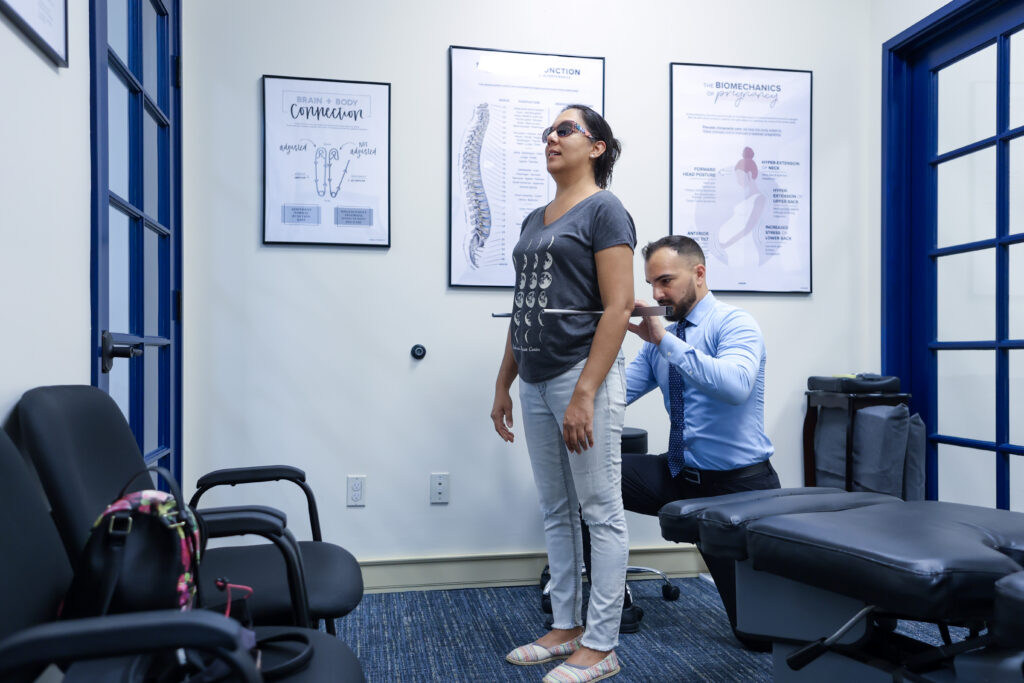

As a local chiropractor, I'm excited to share with you some effective care solutions that can significantly enhance your flexibility. Many people are unaware of how interconnected various aspects of health are when it comes to improving your range of motion and overall well-being.
First and foremost, incorporating regular stretching techniques into your routine is crucial. These exercises not only help to lengthen your muscles but also promote better alignment, which is fundamental in chiropractic care. Combined with a balanced diet rich in nutrients, you'll be supporting your body's natural healing processes.
Mindfulness practices, such as meditation or focused breathing, also play a vital role in enhancing physical flexibility. By reducing stress and promoting relaxation, these practices can help your body respond better to chiropractic adjustments and improve your overall flexibility.
You might be surprised at how simple changes in your daily routine can lead to significant improvements in your flexibility. Understanding how stretching, nutrition, and mindfulness work together can truly be a game-changer for your health.
So, let's discuss how you can effectively integrate these practices into your daily life. Together, we can create a personalized plan that will help you achieve the best results possible in your journey towards better flexibility and overall wellness.
Understanding Flexibility
As a local chiropractor, I want to emphasize the importance of understanding flexibility for your overall physical health and well-being. Flexibility is the ability of your joints and muscles to move freely through their full range of motion. It goes beyond simply being able to touch your toes; it encompasses how easily you can perform everyday tasks and engage in athletic activities.
When you improve your flexibility, you may find that activities like bending, reaching, and twisting become much easier. A flexible body can absorb shock more effectively during physical activities, which helps to lower your risk of injury. Whether you're lifting weights, going for a run, or participating in sports, flexibility allows your body to handle physical stress more efficiently.
Additionally, flexibility plays a significant role in maintaining good posture and alignment. This can help reduce discomfort and pain associated with tight muscles, allowing you to sit at your desk for longer periods without feeling stiff or sore.
Furthermore, improved flexibility can aid in your recovery process. When your muscles are pliable, circulation enhances, allowing nutrients to reach your tissues more effectively, which is vital for healing.
There are various methods to enhance your flexibility, including dynamic movements, yoga, and specific exercises targeting particular muscle groups. Remember, flexibility isn't just about achieving impressive stretches; it's about fostering a balanced and functional body that supports your lifestyle.
Importance of Stretching
As a local chiropractor, I want to emphasize the critical role that stretching plays in enhancing your overall health and well-being. Incorporating stretching into your daily routine isn't only an easy practice, but it can also significantly improve your flexibility and range of motion. This means that simple, everyday activities—like reaching for items on a high shelf or bending down to tie your shoes—can become easier and more comfortable as your body becomes more flexible.
One of the key benefits of regular stretching is injury prevention. By warming up your muscles and tendons, you help lower the risk of strains and sprains during physical activities. Think of stretching as a vital part of your body's warm-up; it prepares your muscles for movement, ensuring they're in optimal condition to perform.
In addition to its physical advantages, stretching contributes to better posture. Many people experience tight muscles that can create imbalances in the body, leading to discomfort and misalignment. By integrating stretching into your routine, you can relieve muscle tension, promote better alignment, and alleviate back pain—a common issue I see in my practice.
Let's not overlook the mental benefits of stretching as well. Taking a few moments to stretch can provide a refreshing break in your day and help relieve stress. It fosters mindfulness and body awareness, allowing you to connect with your physical self and enhance your overall mood.
Incorporating stretching into your daily life not only enriches your physical health but also supports your mental well-being. I encourage you to take a few minutes each day to stretch; you may notice a positive shift in both your flexibility and overall health.
As your chiropractor, I'm here to support you on your journey to better health through natural healing practices like stretching.
Targeted Flexibility Exercises
As a local chiropractor, I want to share the importance of targeted flexibility exercises for your overall health. Improving your flexibility can greatly enhance your mobility and reduce the risk of injuries.
By mastering specific stretching techniques, you can experience these benefits firsthand. I encourage you to incorporate these stretches into your daily routine, as consistency is key to maintaining motivation and achieving long-lasting results.
Benefits of Flexibility Training
As a local chiropractor, I want to share with you the incredible benefits of incorporating flexibility training into your health routine. Many people may not realize just how much flexibility impacts both physical performance and overall well-being. By adding targeted flexibility exercises to your daily activities, you can significantly improve your joint range of motion, which makes everyday tasks easier and more enjoyable.
This enhanced flexibility is particularly beneficial for athletes or those who engage in physical activities, as it can lead to better performance and a reduced risk of injury.
Moreover, flexibility training plays a vital role in alleviating muscle tension and soreness. Regular stretching promotes better blood circulation, which helps deliver essential nutrients and oxygen to your muscles. As a result, you may find quicker recovery times after workouts and a general sense of relaxation, which is crucial for maintaining a healthy body.
Another significant advantage of flexibility training is its support for better posture. When your muscles and connective tissues become more flexible, your body can align itself more naturally, reducing strain on the spine. This can help decrease discomfort and promote a more upright stance, which is essential for long-term spinal health.
Let's not overlook the mental benefits either. Engaging in stretching exercises fosters mindfulness and can be an excellent way to relieve stress. Taking the time to focus on your body during these exercises allows you to unwind and cultivate a sense of calm.
Key Stretching Techniques
As a local chiropractor, I want to emphasize the importance of incorporating targeted flexibility exercises into your daily routine. These exercises can significantly enhance your overall mobility and comfort, contributing to your overall well-being.
Let me guide you through some key stretching techniques that can effectively improve your flexibility.
First, let's talk about static stretching. This involves holding each stretch for 15-30 seconds without any bouncing. For instance, when stretching your hamstrings, sit down with one leg extended, reach towards your toes, and feel that gentle pull. This method is excellent for lengthening tight muscles and can be easily integrated into your routine.
Next, I recommend dynamic stretching. This form of stretching includes controlled movements, such as leg swings and arm circles. These exercises not only prepare your body for activity but also help to increase your range of motion, which is crucial for maintaining mobility.
Another valuable technique is PNF (Proprioceptive Neuromuscular Facilitation) stretching. This involves contracting the muscle for a few seconds before relaxing and stretching further. It's often more effective when done with a partner, and it's a fantastic way to gain flexibility.
Finally, consider incorporating practices like yoga or Pilates into your routine. Both of these disciplines emphasize flexibility and can enhance your overall strength and balance.
As a chiropractor, I believe that a holistic approach to health, which includes proper stretching and movement, can lead to significant improvements in your physical well-being.
Let's work together to develop a plan that suits your needs!
Incorporating Daily Routines
As a local chiropractor, I want to emphasize the importance of incorporating targeted flexibility exercises into your daily routine for better overall health.
It's essential to set aside just 10 to 15 minutes each day to focus on these exercises. Find a time that works best for you—whether in the morning to kickstart your day, during your lunch break for a refreshing boost, or in the evening to unwind before bed.
Start with dynamic stretches to gently warm up your muscles. Simple movements like arm circles, leg swings, and torso twists can help prepare your body for deeper stretches.
After warming up, transition to static stretches, concentrating on major muscle groups like your hamstrings, quadriceps, and shoulders. Remember to hold each stretch for about 20 to 30 seconds and breathe deeply to promote relaxation.
Additionally, consider integrating flexibility exercises into activities you already enjoy. For example, while watching TV, you can practice seated stretches or gentle yoga poses. This not only enhances your flexibility but also allows you to practice mindfulness by being aware of your breath and body in those moments.
It's crucial to listen to your body. If you experience any pain during these exercises, please ease off and adjust as necessary.
Consistency is vital; make stretching a daily habit. Over time, you'll likely experience improved flexibility, reduced tension, and an overall enhanced sense of well-being.
Nutrition for Flexibility
As a local chiropractor, I want to emphasize that while stretching is often viewed as the primary path to improving flexibility, nutrition plays an equally crucial role in supporting your body's ability to lengthen and recover. The right dietary choices can enhance your performance and facilitate quicker recovery after your stretching or exercise sessions. To truly optimize your flexibility, it's important to focus on a balanced diet that's rich in essential nutrients.
First and foremost, adequate protein intake is essential. Proteins are the building blocks of our muscles and tissues, and they're vital for repairing any micro-tears that occur during stretching. Including lean meats, fish, beans, and legumes in your meals can aid in faster recovery from your stretching routines.
Don't overlook the significance of healthy fats. Omega-3 fatty acids, found in fatty fish, walnuts, and flaxseeds, are known for their anti-inflammatory properties and can significantly improve joint health. This can make achieving a full range of motion much easier.
Hydration is also a key factor. Water plays a critical role in maintaining the elasticity of your muscles and joints. Being dehydrated can lead to stiffness, which can hinder your flexibility. Make it a habit to drink plenty of fluids throughout the day, particularly before and after your workouts.
In addition, it's beneficial to incorporate foods that are rich in antioxidants, such as a variety of fruits and vegetables. These foods combat oxidative stress and support muscle recovery. Consider adding leafy greens, berries, and citrus fruits to your daily meals for their health benefits.
Lastly, foods high in magnesium, such as nuts and whole grains, can be especially beneficial. Magnesium supports muscle function and relaxation, both of which are important for promoting flexibility.
Mindfulness and Flexibility
As your local chiropractor, I want to emphasize that enhancing your flexibility goes beyond just physical exercise; it also involves embracing the principles of mindfulness. When you incorporate mindfulness into your daily routine, you cultivate a holistic approach that can improve both your mental and physical flexibility. By becoming more present and aware of your body, you can gain valuable insights into its limitations and strengths.
One simple practice I recommend is to take a few minutes each day to focus on your breathing. Start by inhaling deeply through your nose, allowing your abdomen to expand, and then exhale slowly through your mouth, letting go of any tension. This not only calms your mind but also prepares your body for movement. As you become more attuned to your breath, you may notice how it can positively influence your physical state. Mindfulness will help you recognize the right moments to challenge yourself and when it's best to ease back.
When it comes to stretching, I encourage you to incorporate mindfulness into your routine. Rather than hurrying through your stretches, take the time to genuinely feel each position. Pay close attention to any tightness or discomfort, and allow yourself to breathe deeply into those areas. This focused awareness can help you gradually increase your range of motion, leading to improved flexibility over time.
Additionally, practicing mindfulness can significantly reduce stress, which often contributes to muscle tightness. By releasing worries and distractions, your body is able to relax, making it easier to stretch and move freely.
Incorporating Yoga Practices
As a local chiropractor, I want to emphasize that yoga is much more than just a means of relaxation; it can play a crucial role in enhancing your overall flexibility and supporting your body's natural alignment.
By incorporating key yoga poses into your routine, you can effectively stretch and strengthen your muscles, which is essential for maintaining a healthy spine and preventing injuries.
Let's take a closer look at some essential poses that not only promote greater flexibility but also contribute to your overall well-being.
These practices can complement chiropractic care by helping to relieve tension, improve posture, and enhance your body's natural healing processes.
Embracing yoga can be a wonderful way to support your journey toward optimal health and mobility.
Benefits of Yoga
As a local chiropractor, I want to introduce you to the incredible benefits of incorporating yoga into your wellness routine, particularly as it relates to spinal health and overall body alignment. While many people think of yoga simply as a way to become more flexible, it offers much more than that. By embracing yoga, you can significantly enhance your overall well-being.
To begin with, yoga promotes mental clarity and focus, which is essential for managing stress. The mindfulness practiced during yoga helps calm the mind, making it easier to navigate daily challenges with a balanced perspective. This mental clarity can also complement chiropractic care, as a relaxed mind contributes to a more effective healing process for your spine and nervous system.
Moreover, yoga encourages a profound connection between your body and mind. By paying attention to your breath and movements, you heighten your awareness of your physical state. This awareness can lead to improved posture and body alignment, which are crucial for maintaining a healthy spine. When you align your body properly, it not only enhances your yoga practice but can also boost your performance in other physical activities, thereby elevating your overall fitness levels.
Additionally, regular yoga practice can revitalize your energy levels. The combination of deep breathing and stretching works wonders for your body, leaving you feeling more energized throughout the day. As you build strength and flexibility over time, you'll likely notice improved endurance, which can further support your chiropractic care by promoting proper movement patterns and reducing the risk of injury.
Essential Poses for Flexibility
As a local chiropractor, I often emphasize the importance of flexibility and its impact on overall physical health. Many people mightn't realize that certain yoga poses can significantly enhance your flexibility, which is crucial for maintaining a healthy spine and preventing injuries.
By incorporating these essential poses into your routine, you can support your body's natural healing processes and improve your overall range of motion.
One effective pose to start with is the Downward-Facing Dog. This position stretches your hamstrings, calves, and spine, promoting length and flexibility throughout your body. I recommend holding this pose for five breaths, allowing your body to gradually sink deeper into the stretch.
Next, consider the Cobra Pose. This pose opens up your chest and stretches your abdominal muscles, which can be beneficial for enhancing flexibility in your back—something that many of my patients struggle with.
Another valuable pose to include is the Pigeon Pose. This particular pose targets the hips, helping to release tension and stiffness that can accumulate from daily activities or poor posture. Spend a few breaths in this pose on each side, and you should start to feel a noticeable increase in your hip flexibility.
Finally, don't overlook the Forward Bend. This pose is excellent for stretching your hamstrings and lower back while grounding you, which is essential for a balanced body.
Throughout each of these poses, remember to focus on your breath. Deep breathing not only enhances your practice but also helps connect your body and mind, fostering a sense of overall well-being.
Role of Hydration
As a local chiropractor, I want to emphasize the vital role hydration plays in enhancing your flexibility and overall joint health. Your muscles and joints rely heavily on adequate water intake to function optimally. When you're well-hydrated, your body can maintain the ideal muscle elasticity that's crucial for a good range of motion.
Conversely, dehydration can lead to stiff muscles and joints, making it challenging to perform stretches and flexibility exercises effectively. Hydration is also essential for lubricating your joints. Proper hydration reduces friction, allowing for smoother and more effortless movement.
If you're not drinking enough water, your joints may become tight and less responsive, which can hinder your ability to stretch and move freely. This is particularly important if you engage in physical activities or flexibility routines; you want your body to be as adaptable as possible to prevent injuries and improve performance.
Moreover, hydration significantly impacts your recovery time after physical activity. When you're adequately hydrated, your body can more effectively flush out toxins and repair muscle tissues after workouts. This means that not only are you improving your flexibility in the moment, but you're also setting yourself up for long-term gains in your overall health and well-being.
I encourage you to make a habit of drinking water throughout your day—especially before, during, and after your workouts. If you find plain water unappealing, consider infusing it with fruits or herbs for added flavor.
Tips for Daily Movement
As a local chiropractor, I want to emphasize the importance of staying active throughout your day for enhancing flexibility and overall well-being. Movement doesn't need to be complicated; even small changes can make a significant difference in your health.
Start by setting achievable goals for yourself. For instance, aim to take a brisk 10-minute walk every hour. This simple habit can greatly improve your flexibility and energy levels, which is crucial for maintaining a healthy spine and preventing discomfort.
Consider incorporating a standing desk into your workspace or periodically standing while you work. This change can help reduce stiffness, promote better posture, and alleviate strain on your back. When you're on the phone, try walking around instead of sitting. Not only will you stay active, but you may also find that it boosts your creativity and helps clear your mind.
Don't underestimate the power of stretching! It's essential to include short stretching sessions in your daily routine, especially if you find yourself sitting for long periods. Simple stretches, such as neck rolls or hamstring stretches, can release tension and improve flexibility, which is vital for spinal health.
I recommend setting reminders on your phone to prompt you to stretch every couple of hours.
Engage in activities that require movement, like gardening, dancing, or playing with your dog. Finding joy in these activities makes it easier to stay active, which is beneficial for your body and mind.
Finally, consider joining a group or class. Being part of a community can keep you motivated and accountable in your journey toward better health. Whether it's yoga, Pilates, or a dance class, working out with others can enhance your commitment and contribute positively to your overall well-being.
Tracking Your Progress
To truly grasp how your efforts towards improved flexibility are benefiting you, it's essential to track your progress. Monitoring your flexibility not only helps you see what's working but also highlights areas that may require adjustment.
Begin by establishing specific goals—such as achieving a certain level of flexibility in your hamstrings or hips. This gives you a concrete target to strive for in your wellness journey.
I recommend using a journal or a dedicated app to log your daily stretches and activities. Document the duration, intensity, and types of stretches you perform. This information provides valuable insights into your progress over time and can keep you motivated.
Consider capturing photos or videos of your flexibility journey as well; visual documentation can be incredibly inspiring as you witness your improvements unfold.
Set aside some time each week to review your logs. Look for patterns—are you seeing progress in certain areas while plateauing in others? This reflection allows you to make necessary adjustments to your routine.
If you spot a specific stretch where you're not improving, it may be time to explore new techniques or modify your approach.
And don't forget to celebrate your milestones, regardless of how small they may seem. Each achievement is a step forward in your flexibility journey.
By tracking your progress, you not only hold yourself accountable but also cultivate a sense of accomplishment. Embrace this process, remain consistent, and watch as your flexibility flourishes over time.
Conclusion
As your local chiropractor, I want to share how incorporating effective care solutions into your daily routine can significantly enhance your flexibility. It's essential to prioritize stretching exercises, as they help improve mobility and reduce tension in your muscles. Alongside this, maintaining a balanced diet rich in nutrients can support your overall health and flexibility.
Mindfulness practices are also beneficial; they aid in reducing stress and enhancing your body awareness. Remember, flexibility isn't just about the stretches you perform—it's also crucial to stay hydrated and incorporate movement into your day-to-day life. Tracking your progress can help keep you motivated, and celebrating small victories can encourage you to stay on the right path.
With dedication and consistency, you'll likely see improvements not just in your flexibility, but in your overall well-being. As always, I'm here to guide you through your journey to better health and natural healing. Let's work together to achieve your wellness goals!