
As a local chiropractor, I understand that dealing with lower back pain can be incredibly frustrating, and I want you to know that you are not alone in this journey. Many people experience this issue, but the good news is that there are effective, natural techniques available to help manage your discomfort.
Chiropractic care focuses on restoring balance and function to your spine and surrounding muscles through targeted adjustments and therapies. By exploring various methods—such as specific exercises, adjustments, and lifestyle modifications—you can find relief and enhance your overall quality of life.
Let’s take a moment to delve into some of the best approaches that can significantly improve your back health. With the right guidance and care, you can regain your mobility and reduce pain, paving the way for a healthier, more active life.
Stretching and Strengthening Exercises
As a local chiropractor, I want to emphasize the importance of stretching and strengthening exercises in managing lower back pain effectively. These exercises play a vital role in enhancing flexibility and building the strength of your core muscles, which are crucial for supporting your spine.
Begin your journey with gentle stretches, such as the cat-cow and child’s pose, which can help relieve tension in your lower back. You’ll likely find that these simple movements not only ease discomfort but also improve your overall mobility.
As you become more comfortable, it’s important to incorporate strengthening exercises like bridges and planks into your routine. These exercises specifically target your abdominal and back muscles, providing the stability necessary to reduce the risk of future pain.
Consistency is key here; I recommend aiming to practice these exercises several times a week for the best results.
Always listen to your body, and don’t hesitate to stop if you experience pain. If you’re unsure about how to get started, I encourage you to consult with me or another qualified physical therapist.
We can offer personalized guidance and ensure that you’re performing the exercises safely and effectively. With time and commitment, you can expect to see significant improvements in your lower back health, paving the way for a more active and pain-free life.
Hot and Cold Therapy
As a local chiropractor committed to helping you manage lower back pain, I want to introduce you to the benefits of hot and cold therapy.
Heat therapy is fantastic for relaxing your muscles and enhancing circulation, which can help alleviate tension and discomfort. On the other hand, cold therapy is effective for reducing inflammation and numbing any sharp pain you might be experiencing.
By combining both treatments, you can create a personalized approach to pain relief that addresses your specific needs. This natural healing method not only promotes recovery but also empowers you to take an active role in your health.
If you’re new to chiropractic care, I encourage you to explore these therapies as part of your journey to wellness.
Benefits of Heat Therapy
As a local chiropractor, I want to share with you the benefits of heat therapy for alleviating lower back pain. Many of my patients have found that applying heat, whether through hot compresses or heating pads, can make a significant difference in their comfort levels.
Heat therapy works by promoting blood flow and reducing inflammation in the affected area. When you apply heat to your lower back, it helps relax tight muscles and eases stiffness, allowing for greater mobility.
The increased circulation not only helps reduce pain but also delivers essential nutrients to the injured area, which can speed up the healing process. I often recommend using a heating pad or a warm towel for 15-20 minutes at a time to achieve the best results.
Moreover, heat therapy can enhance your overall sense of well-being, making you feel more relaxed and less tense throughout the day. It’s a simple and effective way to manage pain and improve your quality of life, enabling you to participate in daily activities without the burden of constant discomfort.
If you’re looking for natural ways to support your health, incorporating heat therapy into your routine can be a wonderful step towards feeling better.
Advantages of Cold Therapy
As a local chiropractor, I want to share with you some valuable insights about cold therapy, a powerful tool in managing lower back pain that you may not be familiar with.
While heat therapy is often well-known, cold therapy plays a crucial role in the healing process. When you apply cold packs to an injured area, it can significantly reduce inflammation and numb discomfort, offering you immediate relief.
Cold therapy works by constricting blood vessels, which helps to minimize both swelling and pain. This technique is especially effective during the initial stages of an injury or after you’ve engaged in strenuous activities.
Many of my patients have found that it also helps decrease muscle spasms, making movement easier and more comfortable.
Incorporating cold therapy into your pain management routine is simple and accessible. Just remember to wrap your ice packs in a cloth to protect your skin, and apply them for about 15-20 minutes at a time to achieve the best results.
As your chiropractor, I encourage you to consider cold therapy as a natural, effective way to support your body’s healing process.
Combining Both Treatments
As a local chiropractor, I want to share some effective methods for managing lower back pain that you may not be familiar with.
One particularly beneficial approach is combining cold therapy with heat therapy. This combination can significantly enhance your recovery and provide you with improved relief and relaxation.
Here’s a simple way to do it:
- Begin with cold therapy: Start by applying an ice pack to the affected area for about 15-20 minutes. This helps reduce inflammation and numbs the pain.
- Transition to heat therapy: After the cold application, switch to a heating pad or a warm towel for another 15-20 minutes. The heat works to relax tight muscles and improve blood flow to the area.
- Alternate as needed: You can repeat this process several times throughout the day. Alternating between cold and heat can maximize your comfort and healing.
- Listen to your body: It’s important to pay attention to how your body responds. Adjust the duration and frequency of each treatment based on what feels best for you.
Incorporating this combination not only helps alleviate pain but also promotes better mobility, allowing you to engage in your daily activities with greater ease.
If you have any questions or need further guidance, feel free to reach out during your next visit!
Over-the-Counter Pain Relief Medications
As a local chiropractor, I often encounter patients struggling with lower back pain. Many seek quick relief, and over-the-counter (OTC) pain relief medications can seem like a convenient option. Medications like ibuprofen and naproxen can help reduce inflammation and alleviate discomfort. Alternatively, acetaminophen is available, which focuses on pain relief without addressing inflammation.
However, it’s crucial to approach these options with care. Always read the labels thoroughly to understand the dosage instructions and be aware of any potential side effects. I recommend avoiding the combination of different pain relievers unless specifically advised by a healthcare professional.
If you’re uncertain about which medication might be most suitable for your needs, don’t hesitate to speak with your pharmacist or a healthcare provider for personalized advice. Remember, while these OTC medications can assist in managing pain, they aren’t a standalone solution.
Integrating them with chiropractic care and other natural healing methods can significantly enhance your recovery process. Listening to your body is key; if you notice any adverse effects from the medications, it’s important to stop using them.
Chiropractic care focuses on addressing the root causes of pain through natural healing techniques. By combining these approaches, we can work together to help you achieve lasting relief and improved overall well-being.
Physical Therapy
As a local chiropractor, I want to emphasize the vital role that chiropractic care can play in your recovery from lower back pain.
By focusing on natural healing methods, we can help you regain your flexibility and strengthen the muscles that support your spine. Through specific stretching and strengthening exercises tailored to your needs, we aim to enhance your overall well-being.
Additionally, we utilize manual therapy techniques to alleviate tension and promote healing in your back. This holistic approach not only addresses your pain but also empowers you to take charge of your health.
Stretching and Strengthening Exercises
At our chiropractic practice, we believe that incorporating stretching and strengthening exercises into your daily routine can significantly reduce lower back pain and promote better spinal health.
By focusing on these exercises, you not only enhance your flexibility but also support the muscles that surround your spine, which is crucial for overall wellness.
Here are four effective exercises that I recommend for my patients to help get you started on your journey to better back health:
- Cat-Cow Stretch: This gentle movement allows you to alternate between arching and rounding your back. It’s a great way to improve flexibility and mobilize your spine.
- Child’s Pose: This restful position stretches your back and helps to relax any tight muscles. It’s perfect for easing tension accumulated throughout the day.
- Bridges: By lying on your back and lifting your hips, you can strengthen your glutes and lower back. This exercise is excellent for building stability in your core and lower body.
- Pelvic Tilts: Engaging your core muscles, this exercise involves flattening your back against the floor. It helps alleviate tension and promotes better alignment.
By integrating these exercises into your routine, you can take proactive steps toward relieving back pain and enhancing your overall spinal health.
If you have any questions or need assistance with these exercises, feel free to reach out during your next visit!
Manual Therapy Techniques
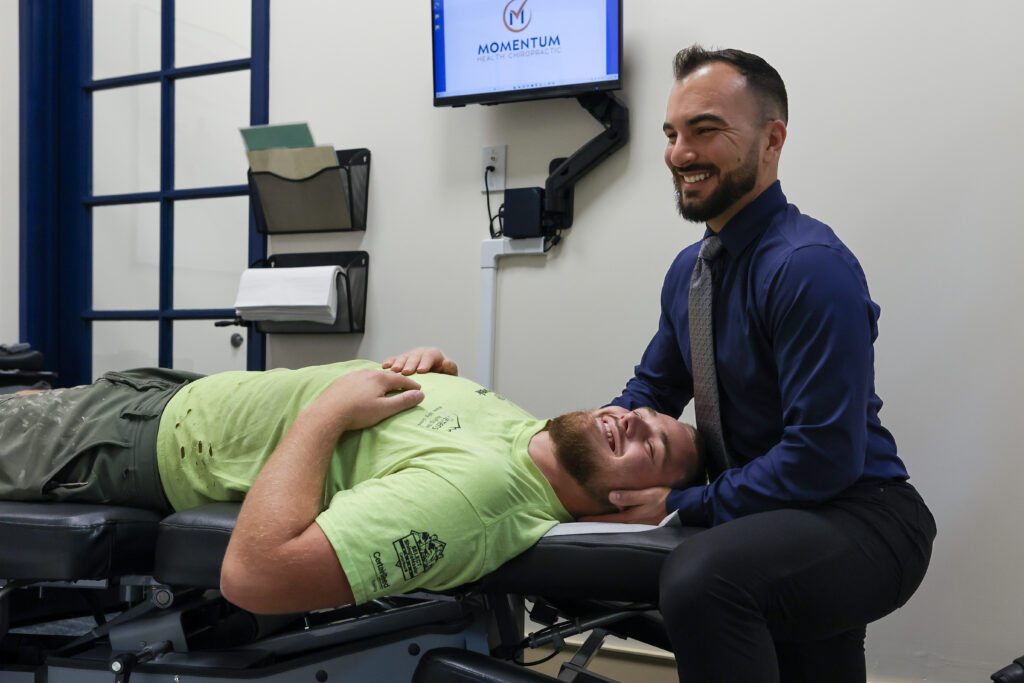
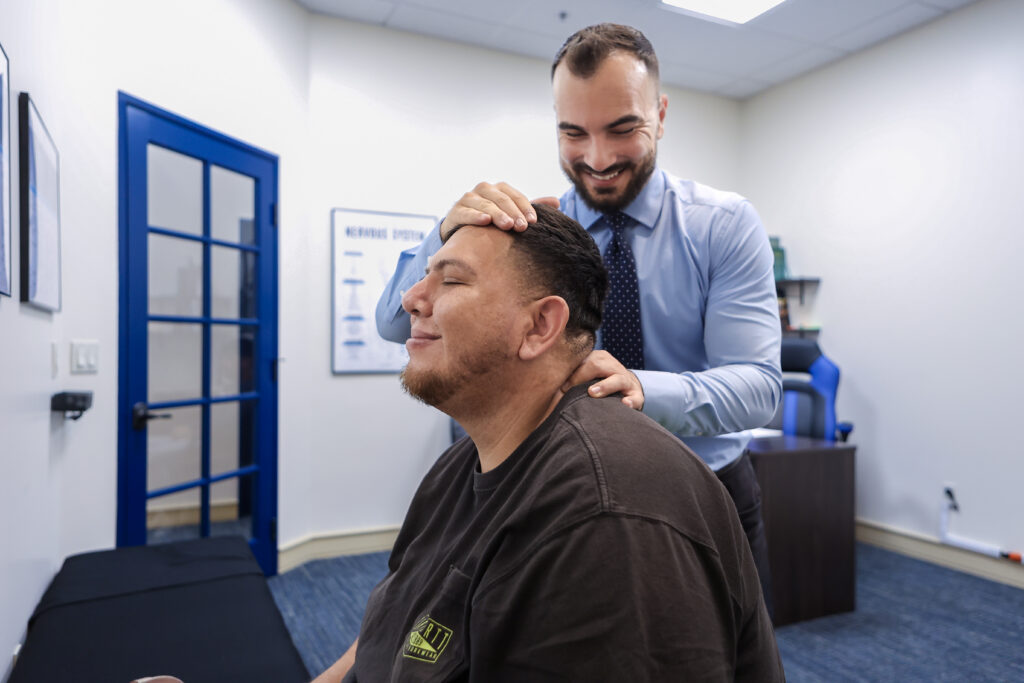
As a local chiropractor, I’m here to help you understand how manual therapy techniques can significantly alleviate lower back pain and enhance your mobility. These hands-on approaches, including spinal manipulation and soft tissue mobilization, are designed to reduce tension and restore your body’s proper function.
When you visit my office, I’ll conduct a thorough assessment of your individual needs to tailor a treatment plan specifically for you. For instance, techniques like myofascial release can effectively relieve tight muscles, while joint mobilization can help improve your range of motion.
You may also find therapeutic massage beneficial, as it promotes blood flow and relaxation throughout your body.
Incorporating these manual therapy methods into your overall treatment plan can greatly complement your stretching and strengthening exercises, leading to a quicker recovery.
It’s essential to consult with a professional like me before starting any new therapy to ensure that it’s the best fit for your unique situation. Together, we can work towards achieving your health goals through natural healing and chiropractic care.
Chiropractic Adjustments
As a local chiropractor, I want to take a moment to share with you the incredible benefits of chiropractic adjustments, especially for those dealing with lower back pain.
Many people are unfamiliar with how chiropractic care can provide natural relief and improve overall well-being, so let’s break it down.
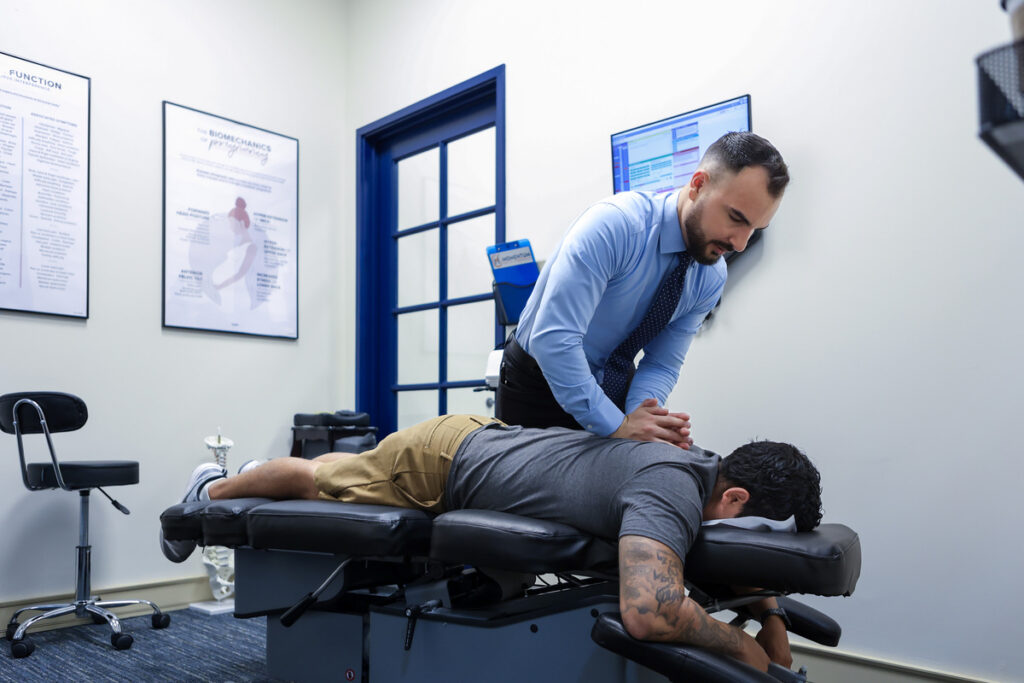
Chiropractic adjustments are a hands-on treatment designed to realign your spine. This process is crucial, as proper alignment can help restore mobility and diminish discomfort.
Here are four key benefits you might experience when you choose chiropractic care:
- Improved Alignment: One of the primary focuses of chiropractic care is correcting misalignments in your spine. By doing so, we can enhance your posture and overall spinal health, which is essential for your body to function optimally.
- Pain Relief: Many of my patients report feeling immediate relief after an adjustment. This relief often comes from the release of tension in tight muscles and joints, allowing you to feel more comfortable and relaxed.
- Increased Mobility: Regular chiropractic adjustments can greatly improve your range of motion. When your spine is aligned, everyday activities become easier and more enjoyable, allowing you to live life to the fullest.
- Preventive Care: One of the best aspects of chiropractic care is its focus on prevention. By maintaining your spinal health, you can significantly reduce the risk of future pain episodes, keeping you active and healthy.
If lower back pain is something you’re struggling with, I encourage you to visit our practice.
Together, we can explore how chiropractic adjustments can enhance your well-being and lead you towards a pain-free life. Your health is worth it!
Massage Therapy
As a local chiropractor, I want to share with you how massage therapy can be an effective approach for managing lower back pain. This natural healing method offers a variety of techniques that can be customized to meet your individual needs.
You’ll learn how targeted touch can alleviate tension in your muscles, promote relaxation, and enhance your overall mobility.
Understanding the importance of scheduling your massage therapy sessions is key to maximizing your relief. Regular visits can help maintain the benefits and support your body’s healing process.
If you’re new to chiropractic care, I encourage you to explore how these natural therapies can work together to improve your well-being and quality of life.
Types of Massage Techniques
As a local chiropractor, I want to share some effective massage techniques that can significantly alleviate lower back pain and enhance your overall well-being.
Each method has its own unique benefits, and understanding them can help you make informed choices about your care. Here are four techniques to consider:
1. Swedish Massage: This gentle technique employs long, flowing strokes that not only promote relaxation but also improve blood circulation in the back muscles.
It’s a great way to unwind and reduce stress, which can often contribute to back pain.
2. Deep Tissue Massage: If you’re dealing with chronic discomfort, deep tissue massage might be the solution.
This technique targets deeper layers of muscle tissue to release tension and knots, providing focused relief where you need it most.
3. Trigger Point Therapy: This method is particularly useful for pinpointing specific areas of pain.
By applying pressure to these trigger points in your back, we can effectively relieve discomfort and restore balance to your body.
4. Myofascial Release: This gentle technique focuses on stretching the fascia, which is the connective tissue surrounding your muscles.
It helps alleviate tightness and improve mobility in your lower back, making it easier for you to move freely and comfortably.
Exploring these massage options can be a valuable part of your journey toward better health.
If you’re interested in learning more about how these techniques can complement your chiropractic care, I’m here to help guide you on your path to healing.
Benefits for Pain Relief
As a local chiropractor, I want to help you understand how various massage techniques can play a vital role in your pain relief journey.
When you engage in massage therapy, it not only promotes relaxation but also effectively reduces muscle tension, which is particularly beneficial for discomfort in the lower back. For instance, deep tissue massage specifically targets knots and tight areas, enhancing blood circulation and supporting your body’s natural healing processes.
In contrast, Swedish massage employs gentle strokes designed to alleviate stress and foster overall well-being. You might also benefit from trigger point therapy, which focuses on applying pressure to certain painful areas, helping to release tension and alleviate discomfort.
Incorporating regular massage sessions into your wellness routine can also enhance your flexibility and improve your posture, which are key factors in preventing future pain episodes.
Frequency and Duration Guidelines
As your local chiropractor, I want to help you understand how massage therapy can significantly alleviate lower back pain.
To truly benefit from this natural healing approach, I recommend scheduling massage sessions 1 to 2 times a week, especially during the first month of your treatment. This frequency allows your muscles to relax and aids in the healing process.
Here are some important guidelines to consider:
- Initial Phase: Aim for 1-2 massage sessions per week during the first month to kickstart your recovery.
- Progress Assessment: After four weeks, we can assess your pain levels and determine how effectively the treatment is working for you.
- Maintenance Phase: Once you start feeling better, we can transition to one session every 2-4 weeks to maintain your progress.
- Self-Care: It’s also beneficial to incorporate stretches and exercises between your sessions. This will help enhance the results of your treatment and support your overall wellness.
Acupuncture
As a local chiropractor, I want to introduce you to an alternative approach to managing lower back pain that may not be as familiar to you: acupuncture. While many people tend to rely on conventional methods for pain relief, acupuncture is a time-honored practice that can effectively ease discomfort in a unique way.
Acupuncture involves the insertion of fine needles into specific points on the body, which helps to stimulate energy flow and promote the body’s natural healing processes. Many of my patients have reported experiencing significant pain relief after just a few sessions, which is encouraging for those who are looking for effective treatment options.
One of the benefits of acupuncture is its ability to reduce inflammation, enhance blood circulation, and alleviate tension in tight muscles, particularly in the lower back area. Additionally, it can trigger the release of endorphins, the body’s natural painkillers, which can help elevate your mood and improve your overall sense of well-being.
If you’re considering acupuncture as part of your pain management strategy, I recommend consulting with a qualified acupuncturist who can customize the treatment to meet your specific needs.
It’s important to note that results can vary from person to person, so tracking your progress throughout the treatment is essential. With consistent sessions, many patients find they experience a noticeable reduction in pain and an improved quality of life.
I encourage you to explore acupuncture as a holistic addition to your lower back pain management plan. It can complement chiropractic care and offer a well-rounded approach to achieving better health and wellness.
Mindfulness and Relaxation Techniques
As your local chiropractor, I want to share some valuable insights on how you can find relief from lower back pain through mindfulness and relaxation techniques. Incorporating these practices into your daily routine can greatly enhance your overall well-being and support your healing journey.
They not only help in managing pain but also in reducing stress and fostering a sense of tranquility. Here are four effective techniques you can easily adopt:
- Deep Breathing: Concentrate on taking slow, deep breaths. This simple practice helps relax your body and mind while releasing tension in your lower back. By focusing on your breath, you create a pathway to calmness, which can be incredibly beneficial for pain management.
- Progressive Muscle Relaxation: This technique involves tensing and then relaxing each muscle group, starting from your toes and moving up to your head. It’s an excellent way to relieve physical stress and promote relaxation throughout your body, specifically targeting areas that might be holding onto tension.
- Mindful Meditation: Dedicating a few minutes each day to quietly observe your thoughts and feelings can be transformative. This practice allows you to cultivate awareness, which can help you better understand and reduce your perception of pain, making it a great complement to chiropractic care.
- Gentle Yoga: Integrating simple stretches and poses into your routine can enhance flexibility and alleviate discomfort in your lower back. Yoga promotes a balanced body and mind, making it an excellent tool for supporting your recovery and overall health.
By incorporating these mindfulness and relaxation techniques into your life, you can take proactive steps toward alleviating lower back pain while also enhancing your overall sense of well-being.
If you have any questions or would like personalized guidance on how to integrate these practices with your chiropractic care, feel free to reach out!
Ergonomic Modifications
As your local chiropractor, I want to share some valuable insights on how making ergonomic modifications to your workspace can significantly alleviate lower back pain and enhance your overall comfort.
One of the first steps you can take is to adjust your chair to provide proper support for your lower back. It’s essential that your feet rest flat on the floor, while your knees remain level with your hips. If your chair lacks adequate lumbar support, consider using a cushion to promote better posture.
Next, let’s talk about your computer monitor. Positioning it at eye level is crucial to avoiding unnecessary strain on your neck and back. This simple adjustment can make a world of difference in how you feel throughout the day.
Additionally, ensure that your keyboard and mouse are close to your body, allowing your elbows to bend at a 90-degree angle. Remember, if you’re seated for prolonged periods, it’s vital to take regular breaks to stand and stretch your body.
Lastly, take a moment to evaluate the overall layout of your workspace. It’s important that everything you need is within arm’s reach to avoid twisting or bending, which can exacerbate discomfort.
By implementing these ergonomic modifications, you’re not just creating a more supportive work environment; you’re also taking proactive steps toward relieving your lower back pain and promoting your overall well-being.
If you have any questions about these changes or how chiropractic care can further assist you, feel free to reach out!
Lifestyle Changes and Weight Management
As a local chiropractor, I want to share how incorporating lifestyle changes and managing your weight can significantly alleviate lower back pain. A healthier lifestyle not only empowers your body but also enhances its ability to heal and function optimally.
Here are some practical strategies that I recommend to my patients:
- Regular Exercise: Engage in gentle, low-impact activities such as walking, swimming, or yoga. These exercises are excellent for strengthening your core and back muscles, providing better support for your spine and reducing pain.
- Balanced Diet: Eating a nutritious diet filled with fruits, vegetables, lean proteins, and whole grains is essential. Not only does this help you maintain a healthy weight, but it also minimizes inflammation that can exacerbate pain.
- Stay Hydrated: Hydration is crucial for your overall health. Drinking plenty of water keeps your muscles and joints lubricated, which can prevent stiffness and discomfort, particularly in the lower back.
- Mindful Posture: Pay attention to your posture throughout your daily activities, whether you’re sitting, standing, or lifting. Proper posture can significantly decrease the strain on your lower back, promoting better alignment and reducing pain.
These lifestyle changes, combined with chiropractic care, can lead to a more resilient and pain-free back.
Conclusion
As your local chiropractor, I’m here to guide you through effective ways to manage and alleviate your lower back pain. By incorporating these ten techniques into your daily routine, you can significantly improve your comfort and promote lasting spinal health. From targeted exercises that strengthen your core to the soothing benefits of heat therapy, there are numerous natural methods you can utilize to take control of your pain.
It’s also essential to consider lifestyle changes and ergonomic adjustments in your daily activities to enhance your overall well-being. Remember, by staying proactive and committed to these approaches, you can pave the way for a healthier, more active life. Together, we can explore these options and find the best solutions tailored to your needs. Your journey toward relief and wellness begins here!