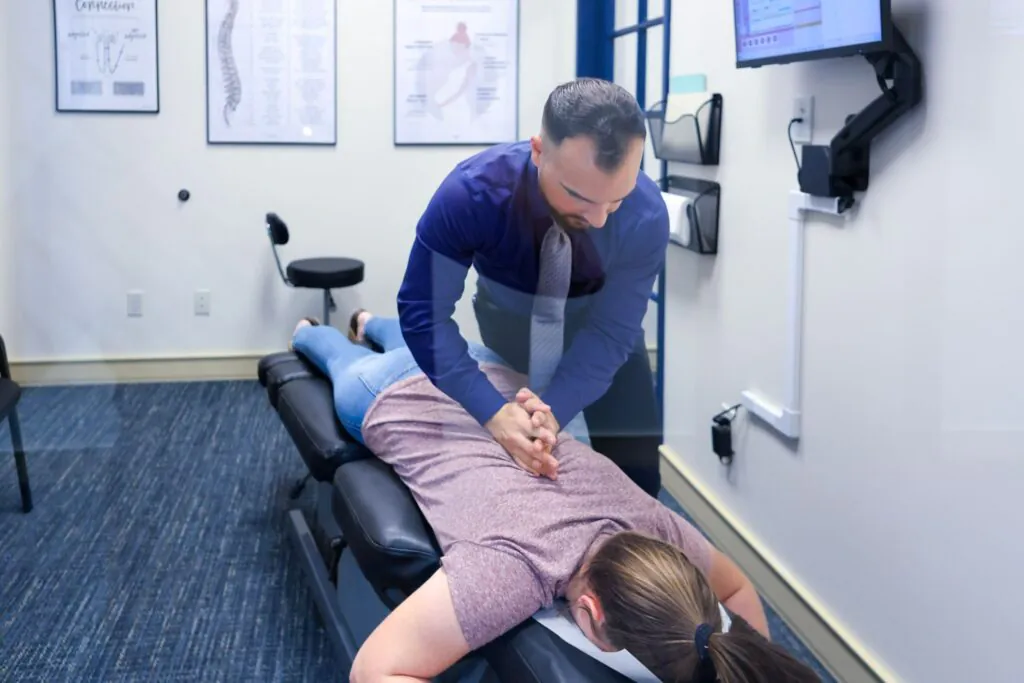

When it comes to alleviating stiffness, knowing the right chiropractic stretches can truly transform your well-being. Specific stretches target areas of tension, improving mobility and enhancing your overall comfort. From neck techniques to hip openers, each stretch plays a vital role in your journey toward optimal health.
As a local chiropractor, I want to emphasize that chiropractic care is one of the best approaches for natural pain relief and overall wellness. By incorporating these effective stretches into your routine, you can experience significant improvements in how you feel.
Here are some of the best chiropractic stretches to consider:
- Neck Stretch: Gently tilt your head to one side, bringing your ear toward your shoulder. Hold for 15-30 seconds, then switch sides. This stretch helps relieve tension in the neck and promotes better alignment.
- Cat-Cow Pose: On your hands and knees, alternate arching your back (cat) and dropping your belly while lifting your head (cow). This dynamic stretch encourages spinal flexibility and is great for reducing stiffness in the back.
- Hip Flexor Stretch: Step one foot forward into a lunge position while keeping the other knee on the ground. This stretch opens up your hips, which can often be a source of discomfort and tightness.
- Child’s Pose: Kneel on the ground, sit back on your heels, and stretch your arms forward on the floor. This calming stretch releases tension in the back and shoulders, promoting relaxation.
- Seated Forward Bend: Sit with your legs extended in front of you and reach for your toes. This stretch lengthens the spine and hamstrings, helping to ease lower back stiffness.
Remember, the key to effective stretching is consistency. Aim to incorporate these stretches into your daily routine, listening to your body and never pushing beyond your comfort level. If you’re experiencing persistent stiffness or pain, consulting with a chiropractor can provide personalized guidance tailored to your specific needs.
Chiropractic care not only helps relieve pain but also promotes natural healing and healthier living. By prioritizing your spinal health and incorporating these stretches, you can take significant steps toward a more comfortable and vibrant life.
Key Takeaways
Chiropractic stretches are essential for enhancing mobility and easing stiffness in areas like the neck, back, and hips. By focusing on these key areas, we can help you achieve a more comfortable and active lifestyle.
One effective technique is the Cat-Cow stretch, which promotes spinal flexibility and can be easily incorporated into your daily routine. Another great option is the Pigeon pose, which targets the hips and glutes, providing much-needed relief in those areas.
Don’t forget about neck stretches! Simple exercises like chin tucks can strengthen neck muscles and improve your posture, reducing stiffness and discomfort over time.
In addition to these stretches, regular chiropractic adjustments play a vital role in your overall wellness. These adjustments can enhance the benefits of your stretching routine, helping you manage stiffness effectively and improve your overall health naturally.
To maximize your relief, consider creating a personalized stretching routine that focuses on your specific areas of stiffness. This tailored approach not only provides immediate relief but also supports long-term wellness. Remember, chiropractic care is a holistic path to achieving optimal health, and we are here to guide you every step of the way.
Understanding Stiffness and Its Causes
When you experience stiffness, it can feel like your body is resisting movement, and understanding its causes is key to finding effective relief. Stiffness often arises from muscle tension, joint issues, or overuse, which can all be addressed through chiropractic care.
Poor posture during daily activities can contribute to this discomfort, as can prolonged sitting or standing. If you’ve recently engaged in strenuous exercise, micro-tears in muscle fibers might also lead to that tight sensation. Additionally, stress can manifest physically, tightening your muscles and restricting movement.
Certain medical conditions, like arthritis or fibromyalgia, can further worsen stiffness, leading to ongoing discomfort. Even dehydration can play a role, as your muscles need adequate hydration to function properly. By recognizing these underlying causes, you can take proactive steps to alleviate stiffness and regain your mobility.
Chiropractic care is a natural and effective way to help ease stiffness and promote overall wellness. Regular chiropractic adjustments can improve spinal alignment, reduce muscle tension, and enhance joint function.
Here are some general tips to help you manage stiffness and support your health:
- Maintain Good Posture: Be mindful of your posture while sitting, standing, or working. Use ergonomic furniture when possible to support your spine.
- Stay Active: Gentle stretches and regular movement can keep your muscles flexible and joints healthy. Even a short walk can make a difference.
- Hydrate: Ensure you’re drinking enough water throughout the day to keep your muscles well-hydrated.
- Manage Stress: Incorporate relaxation techniques like deep breathing, meditation, or yoga to help reduce muscle tension caused by stress.
- Consult Your Chiropractor: Regular visits to your chiropractor can help identify and address any underlying issues contributing to stiffness. They can provide tailored advice and adjustments to support your recovery and overall health.
Understanding what triggers your stiffness is the first step toward finding the right solutions. Embrace chiropractic care as a natural path to relief and optimal wellness!
Benefits of Chiropractic Stretches
Chiropractic stretches are a fantastic way to boost your mobility and ease any stiffness you might be feeling. By adding these stretches to your daily routine, you can enhance your flexibility, which makes it easier to tackle everyday tasks without discomfort. Regular stretching not only helps to relieve muscle tension but also offers a perfect way to relax and unwind after a busy day.
One of the key benefits of chiropractic stretches is their ability to promote better posture. Good posture is crucial for minimizing back and neck pain, which many of us experience in our daily lives. When you stretch, you increase blood flow to your muscles, aiding in recovery and lowering the risk of injury.
Plus, improved circulation can help elevate your energy levels, making you feel more vibrant throughout the day. Chiropractic stretches also encourage a greater range of motion in your joints. This means you’ll enjoy smoother movements during physical activities, whether it’s playing with your kids, working out, or simply going for a walk.
Incorporating chiropractic stretches into your lifestyle can lead to a healthier, more active life. It gives you the freedom to engage in the activities you love without the nagging discomfort that can hold you back. Remember, taking care of your body naturally through chiropractic care and stretching is one of the best ways to achieve optimal health and wellness.
Here are a few tips to get you started:
- Start Slow: If you’re new to stretching, begin with gentle stretches and gradually increase the intensity.
- Be Consistent: Make stretching a part of your daily routine to see the best results.
- Listen to Your Body: Pay attention to how your body feels during stretches, and avoid pushing yourself into any painful positions.
- Stay Hydrated: Drinking plenty of water can help keep your muscles hydrated and functioning well.
Neck Stretch Techniques
Incorporating neck stretch techniques into your daily routine can significantly alleviate tension and enhance flexibility in this vital area. As a chiropractor, I often emphasize that regular stretching not only improves your range of motion but also plays a crucial role in reducing discomfort, which can help you avoid more invasive treatments.
Here are three effective neck stretches that can easily be included in your routine:
- Side Neck Stretch: Gently tilt your head towards one shoulder until you feel a comfortable stretch on the opposite side. Hold this position for 15-30 seconds, then switch sides. This stretch is great for relieving tightness and promoting overall neck health.
- Chin Tucks: While sitting or standing up straight, tuck your chin towards your chest and hold for a few seconds. This simple exercise strengthens your neck muscles and improves posture, which is essential for maintaining spinal health.
- Neck Rotations: Slowly turn your head to one side, hold for a few seconds, and then rotate to the other side. This gentle movement promotes mobility and helps reduce stiffness, allowing for a more comfortable range of motion.
Remember, incorporating these stretches into your daily routine can help keep your neck feeling great and support your overall wellness.
Chiropractic care can further enhance these benefits by addressing any underlying issues impacting your neck and spine. By focusing on natural healing methods, we can work together to achieve optimal health and well-being.
Upper Back and Shoulder Stretches
When it comes to relieving upper back and shoulder stiffness, effective stretch techniques can significantly enhance your comfort and well-being.
As a chiropractor, I want to emphasize the importance of natural healing through targeted stretches, which can alleviate common issues like tension and discomfort without the need for medications or invasive procedures.
Stretching not only improves your flexibility but also promotes better spinal alignment and overall health. By incorporating simple stretches into your daily routine, you can support your body’s natural ability to heal and maintain optimal function.
Here are a few effective stretches you can try:
- Shoulder Rolls: Gently roll your shoulders forward and backward in a circular motion. This helps to release tension and improve circulation in the upper back and shoulders.
- Chest Opener Stretch: Stand tall and interlace your fingers behind your back. Straighten your arms and lift your hands slightly while opening your chest. This stretch counteracts the slumped posture that often leads to stiffness.
- Side Neck Stretch: Sit or stand up straight. Slowly tilt your head to one side, bringing your ear towards your shoulder. Hold for a few seconds, then switch sides. This helps relieve tightness in the neck, which often contributes to upper back discomfort.
- Cat-Cow Stretch: Get on your hands and knees. Arch your back up (like a cat) and then dip it down while lifting your head (like a cow). This dynamic movement helps mobilize the spine and encourages flexibility.
- Upper Back Stretch: Interlace your fingers and reach out in front of you, rounding your upper back. This helps stretch the muscles between your shoulder blades, relieving tension.
As you practice these stretches, remember that regular chiropractic adjustments can further enhance your flexibility and overall health.
Chiropractic care addresses the root causes of pain, promoting natural healing and optimal function without the need for surgeries or medications.
Incorporate these stretches into your daily routine, and consider visiting your chiropractor regularly to support your journey toward a healthier, pain-free life.
Together, we can help you achieve the wellness you deserve!
Effective Stretch Techniques
To effectively relieve stiffness in your upper back and shoulders, consider incorporating a variety of targeted stretches into your daily routine. These stretches not only promote flexibility but also help reduce tension, which is essential for maintaining a healthy spine.
Here are three effective techniques that you can easily try at home:
- Child’s Pose: Begin by kneeling on the floor and sitting back on your heels. Stretch your arms forward and gently lower your chest towards the ground. This position allows for deep breathing and relaxation, helping to release tension in your back and shoulders.
- Shoulder Blade Squeeze: Whether you’re sitting or standing, maintain a straight posture and gently squeeze your shoulder blades together. Hold this position for a few seconds before releasing. This simple movement opens up your chest and helps to counteract the effects of slouching, which is common in today’s lifestyle.
- Neck Stretch: To alleviate tightness in your neck, gently tilt your head to one side, bringing your ear toward your shoulder. Hold this position for a few breaths, then switch to the other side. This stretch can help relieve tension in the neck and upper back area, contributing to overall spinal health.
Incorporating these stretches into your routine can significantly enhance your mobility and overall well-being.
Remember, while these stretches can provide relief, regular chiropractic care is the best way to ensure optimal health and prevent stiffness from returning. A chiropractor can help address underlying issues in your spine, providing you with a natural pathway to wellness.
Prioritizing your spinal health through chiropractic adjustments can lead to long-term relief and a better quality of life.
Benefits of Stretching
Stretching your upper back and shoulders is a wonderful way to enhance your physical and mental well-being. As a chiropractor, I can’t emphasize enough how beneficial these stretches are for your overall health. When you make upper back and shoulder stretches a regular part of your routine, you’ll notice an increase in flexibility, which can lead to a greater range of motion in your everyday activities. This improved flexibility can play a key role in better posture, ultimately reducing the risk of discomfort or pain in your spine.
Moreover, stretching helps promote better circulation, which is vital for delivering oxygen and nutrients to your muscles. This process aids in recovery and supports your overall health—something we all strive for. You may also discover that regular stretching can help release built-up tension, alleviating stress and enhancing your mood. Feeling more relaxed can lead to improved focus and energy levels throughout the day.
To incorporate these stretches into your daily life, try setting aside just a few minutes in the morning or between tasks to stretch your upper back and shoulders. Simple movements, such as shoulder rolls and gentle upper back stretches, can make a significant difference. Remember, these small steps contribute greatly to your journey toward optimal health.
Ultimately, while stretches can provide immediate relief and benefits, they work best in conjunction with chiropractic care. Regular chiropractic adjustments help align your spine, ensuring that your body functions at its best and allowing you to fully enjoy the advantages of stretching.
Common Upper Back Issues
Many people encounter common upper back issues, which can arise from poor posture, prolonged sitting, or even stress. These concerns can lead to discomfort and may limit your daily activities. The good news is that by recognizing the signs early on, you can take steps to address them effectively.
Here are three common upper back issues you might experience, along with some tips on how chiropractic care can help you find relief:
– Muscle tension: Often a result of stress or improper ergonomics, muscle tension can lead to tightness and pain in your upper back. Chiropractic adjustments can help relieve this tension by aligning your spine and improving your overall posture.
Incorporating regular stretching and relaxation techniques can also aid in reducing muscle tightness.
– Poor posture: Slouching or leaning forward can put unnecessary strain on your upper back muscles, causing discomfort. A chiropractor can guide you on proper posture techniques and suggest exercises to strengthen your back muscles.
Remember to take breaks and practice good ergonomics while sitting to maintain a healthy spine.
– Shoulder pain: Pain in the shoulders may radiate from the upper back, often due to muscle imbalances or repetitive movements. Chiropractic care can help restore balance to your musculoskeletal system, alleviating shoulder pain.
Incorporating gentle stretches and strengthening exercises can also support your shoulder health.
By focusing on these common issues and seeking chiropractic care, you can promote natural healing and achieve optimal health.
Lower Back Stretches
When it comes to lower back stretches, they can be a game-changer for your overall health and wellness. Not only do they promote increased flexibility, but they also help to reduce pain and discomfort in the lower back. Incorporating effective stretching techniques into your daily routine can lead to significant improvements in how you feel throughout the day.
As a chiropractor, I want to emphasize the importance of maintaining a healthy spine as a foundation for optimal health. Stretching is a natural way to promote flexibility and relieve tension, and it’s a practice that pairs beautifully with chiropractic care. By keeping your spine aligned and flexible, you can enhance your body’s ability to heal itself and function at its best.
Here are some simple yet powerful stretches that can help ease stiffness in your lower back:
- Knee-to-Chest Stretch: Lie on your back and gently pull one knee towards your chest. Hold for 20-30 seconds and switch legs. This stretch helps to relax your lower back muscles and improve circulation.
- Child’s Pose: Start on your hands and knees, then sit back on your heels while reaching your arms forward. This position helps to elongate the spine and relieve tension in the lower back.
- Cat-Cow Stretch: On your hands and knees, alternate between arching your back (like a cat) and dipping it down (like a cow). This dynamic stretch promotes flexibility and mobility in the spine.
- Seated Forward Bend: Sit with your legs extended in front of you and gently reach towards your toes. This stretch targets the hamstrings and lower back, helping to alleviate tightness.
Remember, the goal of these stretches is to promote a healthy spine and alleviate discomfort. It’s important to listen to your body and avoid any movements that cause pain.
Pairing these stretches with regular chiropractic adjustments can further enhance your overall wellness and keep your spine in optimal condition.
Incorporating these stretches into your daily routine, alongside regular chiropractic care, can lead to lasting benefits. By prioritizing your spinal health, you’re taking a significant step towards a pain-free and healthier life.
Always consult with your chiropractor for personalized advice and to ensure these stretches are suitable for your specific needs.
Benefits of Stretching
Incorporating lower back stretches into your daily routine can significantly enhance your overall well-being. As a chiropractor, I believe in the power of natural healing and the importance of caring for your spine to achieve optimal health.
Regular stretching not only feels great but also offers numerous benefits that can improve your quality of life. Here are a few key advantages of lower back stretches:
- Increased Flexibility: Stretching is essential for maintaining and improving flexibility. This means that everyday movements, whether it’s bending down to tie your shoes or reaching for something on a high shelf, will feel smoother and easier. Improved flexibility can also help reduce the risk of injuries.
- Pain Relief: One of the most significant benefits of lower back stretches is pain relief. By relieving tension in your muscles, these stretches can help alleviate discomfort and prevent future injuries. Remember, a healthy spine is key to overall wellness.
- Better Posture: Stretching not only strengthens and lengthens your muscles but also promotes better alignment and posture. Good posture is crucial for your spinal health and can positively impact your daily activities, making you feel more energized and confident.
As you incorporate these stretches into your routine, consider pairing them with regular chiropractic care. A chiropractor can help address any underlying issues and guide you in maintaining a healthy spine.
Remember to listen to your body, and never push yourself too hard. Simple tips like taking breaks to stretch during long periods of sitting can make a big difference.
Effective Stretching Techniques
To effectively relieve stiffness and improve flexibility in your lower back, targeted stretching techniques are a great addition to your routine. As a chiropractor, I emphasize the importance of maintaining a healthy spine for overall well-being. Here are some simple stretches you can do at home to help alleviate discomfort and promote natural healing.
Start with the cat-cow stretch. This movement involves alternating between arching and rounding your back, which can significantly enhance your spine’s mobility. It’s a gentle way to warm up your back muscles and prepare them for further stretches.
Next, consider the child’s pose. This gentle stretch not only releases tension but also elongates your spine, providing a soothing effect on your lower back. It’s an excellent way to pause and relax during your day.
Another beneficial stretch is the seated forward bend. Sit with your legs extended in front of you and gently reach toward your toes. This stretch promotes hamstring flexibility, which is crucial for lower back health. Remember, it’s not about how far you can reach but about maintaining good form and breathing deeply.
Don’t overlook the supine spinal twist. Lying on your back, gently twist your lower body to one side while keeping your shoulders flat on the ground. This stretch helps increase your range of motion and can relieve tightness in your back.
Hold each stretch for 20-30 seconds, and focus on your breathing. Deep breaths can help maximize relaxation and enhance the effectiveness of each stretch.
Incorporating these stretches into your daily routine can lead to improved comfort and reduced stiffness in your lower back.
Hip and Glute Stretches
Hip and glute stretches are vital for alleviating tension and enhancing flexibility in these important areas of the body. As a chiropractor, I often see patients benefit from incorporating these stretches into their daily routine, which can significantly improve mobility and reduce discomfort.
Here are three effective stretches that you can easily try at home:
- Pigeon Pose: Begin by sitting on the floor with one leg extended straight back and the other bent in front of you. This position helps target the glutes and hip flexors, providing deep relief. Remember to breathe deeply while holding the pose, as this can enhance relaxation and effectiveness.
- Figure Four Stretch: While lying on your back, cross one ankle over the opposite knee, then gently pull the uncrossed leg toward your chest. This stretch not only opens up the hips but also helps release tightness in the glutes. Again, focus on your breath to maximize the benefits.
- Hip Flexor Stretch: Kneel on one knee with your other foot placed firmly in front, then gently push your hips forward. This stretch is fantastic for releasing tight hip flexors, which can often lead to discomfort in the lower back. Incorporating this stretch regularly can improve your overall hip function.
In addition to these stretches, I encourage you to consider chiropractic care as a natural and effective approach to achieving optimal health. Regular adjustments can greatly enhance your flexibility, relieve pain, and support your body’s natural healing processes.
Hamstring and Quadriceps Stretches
Incorporating hamstring and quadriceps stretches into your routine can significantly enhance your flexibility and help alleviate stiffness, particularly after addressing tension in your hips and glutes. These stretches are essential for counteracting the tightness that can result from prolonged sitting or intense physical activity.
As a chiropractor, I always emphasize the importance of maintaining muscle health and mobility to support overall wellness. Regular stretching can be a natural way to promote healing and prevent pain in your body.
Here’s a quick reference guide to some effective stretches you can easily integrate into your daily routine:
| Stretch Type | Description |
|---|---|
| Standing Hamstring | Stand tall, hinge at your hips, and reach for your toes while keeping your knees slightly bent. Hold for 20-30 seconds. This helps release tension in your lower back and legs. |
| Seated Hamstring | Sit with one leg extended and reach for your toes while keeping your back straight. Hold for 20-30 seconds. This stretch is great for improving flexibility in the back of your legs. |
| Standing Quad | Stand on one leg, grab your ankle, and gently pull it toward your glutes, ensuring your knees stay together. Hold for 20-30 seconds. This stretch helps open up your hips and improve balance. |
| Lying Quad | Lie on your side, grab your ankle, and pull it toward your glutes. Hold for 20-30 seconds. This is an effective way to stretch your quadriceps and improve your hip flexibility. |
By incorporating these stretches into your routine, you’ll not only support your muscle health but also create a more resilient body that can handle daily activities with ease. Remember, chiropractic care is an excellent way to complement your stretching routine, helping to align your spine and improve your overall health. Regular adjustments can enhance your body’s natural healing abilities and promote a pain-free lifestyle.
Take these simple tips to heart, and make stretching a regular part of your self-care routine for optimal wellness!
Incorporating Breathing Techniques
Breathing techniques aren’t just beneficial for your stretching routine; they can also significantly enhance your overall wellness and support your chiropractic care journey. By integrating mindful breathing into your daily practice, you can deepen your stretches, promote relaxation, and help reduce stiffness in your body.
Here are some simple and effective techniques that align perfectly with your commitment to natural healing and optimal health:
- Diaphragmatic Breathing: Focus on breathing deeply into your belly, rather than your chest. This technique not only increases oxygen flow but also calms your nervous system, which is essential for healing and recovery. By practicing this method, you can create a more relaxed state that complements the benefits of chiropractic adjustments.
- Controlled Exhalation: As you stretch, take a moment to exhale slowly. This practice can help release tension in your muscles, making it easier for your chiropractor to work on areas that may be stiff or tight. Controlled breathing can also enhance your overall range of motion, contributing to a more flexible and pain-free body.
- Breath Synchronization: Try to coordinate your breath with your movements. Inhale as you prepare for a stretch and exhale as you deepen into it. This simple synchronization not only enhances your focus but also amplifies the effectiveness of your stretches, supporting the adjustments made during your chiropractic sessions.
By incorporating these breathing techniques into your routine, you’re not only enhancing your flexibility but also fostering a deeper connection between your body and mind.
This holistic approach aligns beautifully with the principles of chiropractic care, promoting natural healing and overall wellness without the need for surgeries or medications.
Creating a Personalized Stretching Routine
Integrating mindful breathing into your stretching routine can greatly enhance your overall wellness and is an excellent way to create a personalized stretching plan that caters to your unique needs.
Start by identifying areas in your body where you feel stiffness or tension, as these can often lead to discomfort and impact your daily activities. Recognizing these areas is the first step towards finding relief.
Once you’ve pinpointed these trouble spots, select stretches that specifically target them. For instance, if your shoulders feel tight, consider incorporating shoulder rolls and gentle neck stretches into your routine. Pay close attention to how your body responds to each stretch; listening to your body’s feedback is crucial for adjusting your routine effectively.
Consistency is key when it comes to seeing improvements. Make it a point to dedicate time regularly for your stretching practice. You might also find it helpful to adjust your stretches based on your daily activities or any changes you notice in your body. Remember, the goal is to promote natural healing and maintain a healthy spine.
Additionally, keeping a journal to track your progress and any tweaks you make to your routine can be incredibly beneficial. This practice not only keeps you motivated but also allows you to see how your body adapts over time.
By incorporating these tips into your daily routine, you’ll not only enhance your flexibility and reduce tension but also support your overall health and wellness.
And remember, regular chiropractic care can complement your stretching routine, helping to ensure optimal spinal health and well-being.
Conclusion
Incorporating these chiropractic stretches into your daily routine can significantly enhance your flexibility and alleviate stiffness. By focusing on important areas such as your neck, back, hips, and legs, you’ll not only boost your mobility but also complement your chiropractic care. Remember, it’s essential to listen to your body—adjust your stretches as needed to ensure comfort and effectiveness.
Consistent practice, combined with mindful breathing, can help you feel more relaxed and aligned. This approach paves the way for a healthier, more active lifestyle. As a chiropractor, I believe that these natural methods are the best path to pain relief and overall wellness. So, whether you’re at home or at work, take a moment to incorporate these stretches into your day. Your body will thank you for it, and you’ll be taking a significant step towards achieving optimal health without the need for surgeries or medications.