
As a local chiropractor, I want to assure you that if you’re experiencing back pain, you’re not alone in this journey. Many of my patients come in with discomfort caused by various factors, such as poor posture or a sedentary lifestyle. The good news is that there are effective, natural strategies to relieve that achy spine and promote healing.
Understanding the root causes of your back pain is essential. It could be related to your daily habits or even stress levels. By identifying these underlying issues, we can tailor a treatment plan that suits your unique needs.
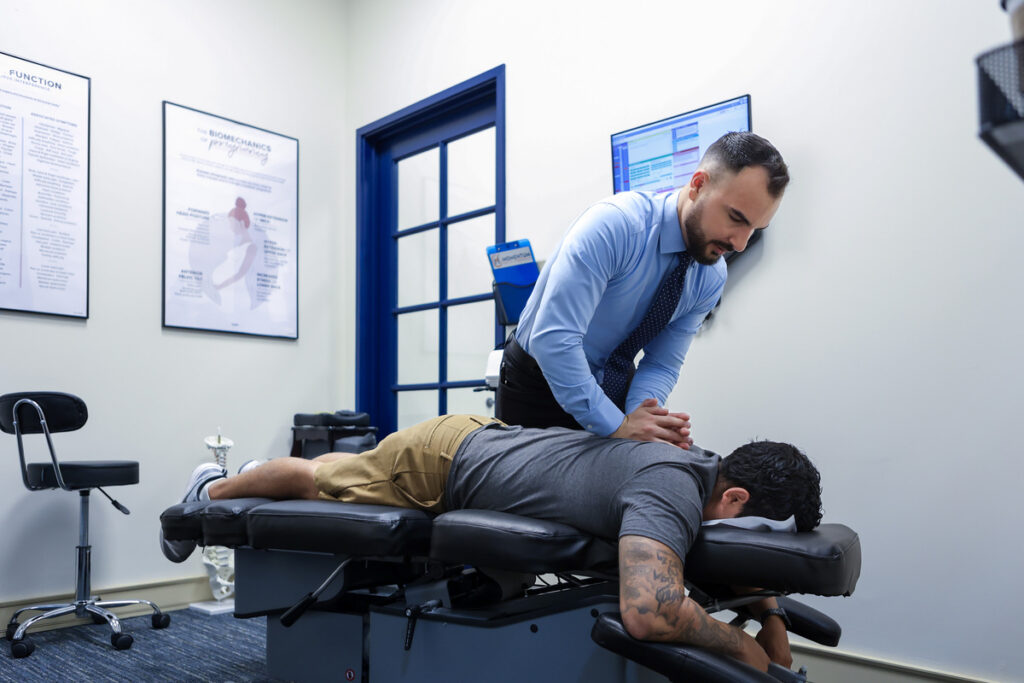
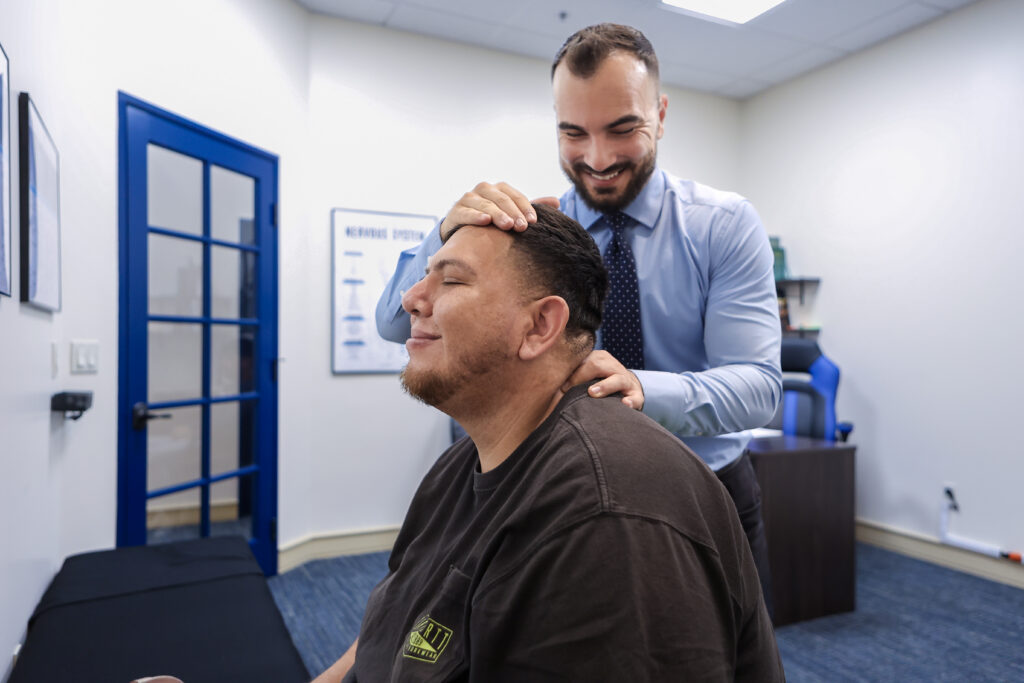
In our practice, we focus on holistic approaches to support your back and enhance your overall well-being. Gentle chiropractic adjustments, combined with stretches and exercises, can help restore proper alignment and mobility to your spine. Additionally, I’ll guide you on maintaining good posture and incorporating movement into your daily routine.
Together, we can take significant steps toward alleviating your discomfort and improving your quality of life. Let’s work hand in hand to help your body heal naturally and effectively.
Understanding the Causes of Back Pain
As a local chiropractor, I want to help you understand the various factors that can lead to back pain. It’s essential to recognize that this discomfort often arises from muscle strains or ligament sprains, which frequently occur due to overexertion or incorrect lifting methods.
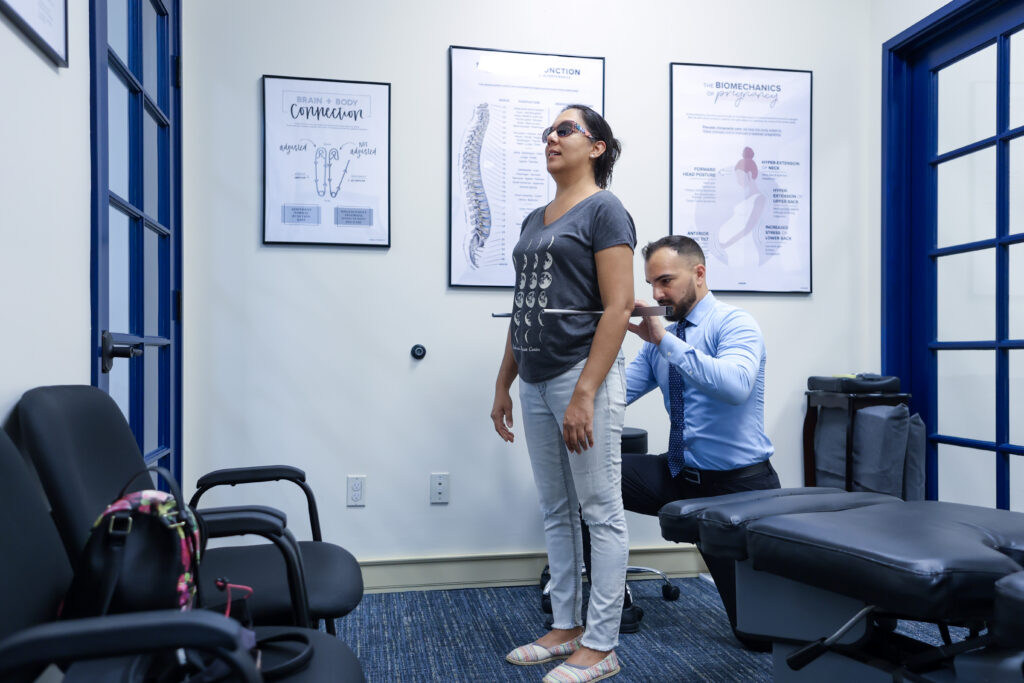
Additionally, maintaining poor posture while sitting or standing can significantly contribute to your pain.
Sometimes, the source of your back pain might be related to underlying medical conditions such as herniated discs, arthritis, or scoliosis.
Lifestyle choices also play a crucial role; for instance, a lack of physical activity or being overweight can place extra stress on your spine.
Furthermore, stress can manifest in your body as muscle tension, which can worsen your back pain.
I encourage you to pay attention to your movement patterns and daily habits. Identifying any triggers or consistent issues can be instrumental in addressing your discomfort.
By understanding the root causes of your pain, you can take proactive measures toward relief and enhance your spinal health.
This knowledge is vital as it helps create a foundation for effective treatment strategies that promote natural healing and overall wellness.
Effective Stretching Techniques for Relief
As a local chiropractor, I want to share with you some effective stretching techniques that can help alleviate back pain naturally. When your back is feeling sore, incorporating gentle stretches into your routine can provide significant relief.
Simple neck stretches, lower back releases, and upper spine twists are particularly beneficial for easing tension in these areas.
Let’s take a closer look at these techniques. By practicing gentle neck stretches, you can help release tightness and improve mobility.
Lower back releases focus on stretching the muscles that support your spine, promoting better alignment and comfort.
Upper spine twists can enhance flexibility and relieve stiffness, allowing you to move more freely.
I encourage you to explore these stretching methods as part of your journey toward better health and wellness.
Remember, caring for your body through natural techniques like these can lead to improved overall well-being.
If you have any questions or need guidance on how to perform these stretches safely, feel free to reach out to me.
Gentle Neck Stretches
As a local chiropractor, I often emphasize the importance of gentle neck stretches for alleviating tension and discomfort.
These stretches aren’t just beneficial; they can be a vital part of your daily routine, promoting better flexibility and reducing stiffness in the neck.
Let me share three effective stretches you can incorporate into your day:
- Chin Tucks: Begin by sitting or standing with good posture. Gently tuck your chin toward your chest and hold this position for about 5 seconds. Aim to repeat this 5 times. This stretch helps to retrain your neck posture and alleviate strain.
- Side Neck Stretch: Find a comfortable seated position. Tilt your head to one side, allowing your ear to move closer to your shoulder. Hold this stretch for 15 seconds, then switch sides. This exercise helps to release tightness in the muscles on the sides of your neck.
- Neck Rolls: Slowly roll your head in a circular motion. Spend about 30 seconds rolling in one direction, then switch to the opposite direction. This movement helps increase blood flow and flexibility in the neck.
By regularly incorporating these stretches into your routine, you can promote relaxation and keep your neck feeling great.
Lower Back Releases
As a local chiropractor, I want to share some effective stretching techniques that can help alleviate lower back pain, a common issue many people face.
One beneficial stretch is the child’s pose. To perform this stretch, kneel on the floor, sit back on your heels, and extend your arms forward. This position helps to lengthen your spine and promote relaxation.
Another excellent option is the seated forward bend. Sit with your legs extended in front of you, take a deep breath in, and as you exhale, hinge at your hips to reach towards your toes. This stretch not only targets your lower back but also encourages flexibility in your hamstrings.
Additionally, consider trying the supine spinal twist. Lie on your back, gently pull one knee towards your chest, and slowly guide it across your body for a gentle twist. This movement can help alleviate tension and promote spinal mobility.
I recommend holding each stretch for 20-30 seconds while focusing on deep, calming breaths. Incorporating these stretches into your daily routine can significantly ease tension in your lower back and enhance your overall flexibility.
Upper Spine Twists
As a chiropractor, I often emphasize the importance of maintaining a healthy spine, particularly in the thoracic region.
Upper spine twists are an excellent way to relieve tension and enhance mobility in this area. By incorporating these gentle stretches into your daily routine, you can significantly improve your posture and alleviate discomfort.
Let me guide you through some effective upper spine twists:
- Seated Twist: Begin by sitting cross-legged on the floor. Place your right hand on your left knee, and gently twist your torso to the left. Hold this position for a few deep breaths, allowing your spine to stretch and release tension. After a few moments, switch sides and repeat the twist to the right.
- Standing Twist: Stand tall with your feet shoulder-width apart. Inhale deeply and raise your arms overhead. As you exhale, gently twist your torso to the right while keeping your hips facing forward. Hold this position for a few breaths, feeling the stretch in your upper back. When you’re ready, switch to the left side and repeat.
- Reclined Twist: Lie comfortably on your back and draw your knees toward your chest. Allow your knees to slowly fall to one side while extending your arms out to the sides in a T-shape. This position helps to release tension in the spine and promote relaxation. After taking a few breaths, gently switch sides.
I encourage you to give these upper spine twists a try. They can provide instant relief and contribute to your overall well-being.
Strengthening Exercises to Support Your Spine
As your local chiropractor, I want to share with you some important insights on how to effectively support your spine. One of the key areas we focus on is strengthening exercises that promote core stability. A strong core is essential for maintaining proper alignment and reducing the risk of back pain.
In addition to strengthening your core, it’s crucial to incorporate flexibility stretches and techniques that improve your posture. These practices work hand in hand to enhance your overall back health, allowing you to move more freely and comfortably.
By understanding how these elements come together, you can take proactive steps to keep your spine strong and pain-free.
Core Stability Workouts
As a chiropractor, I often see patients who prioritize cardio or flexibility without realizing the importance of core stability workouts for maintaining a healthy spine. A strong core is essential; it helps stabilize your pelvis and lower back, ultimately reducing the risk of injury.
Here are three effective exercises that I recommend to enhance your core stability:
- Plank: Start by holding a plank position for 30 seconds to a minute. Engage your abdominal muscles and ensure your body remains straight throughout the exercise. This will help strengthen your core muscles, which are vital for your spinal health.
- Bird-Dog: Begin in a tabletop position on your hands and knees. Extend one arm forward and the opposite leg back, holding for a few seconds before switching sides. This exercise not only improves your core stability but also enhances coordination and balance, which are crucial for overall body function.
- Dead Bug: Lie on your back with your legs lifted in a tabletop position. As you alternate extending your legs, make sure to keep your back flat against the floor. This movement effectively activates your core and supports your spine.
By incorporating these exercises into your routine, you’ll not only strengthen your core but also promote the health of your spine.
If you have any questions about these exercises or how they can benefit you, feel free to ask during your next visit!
Stretching for Flexibility
As a local chiropractor, I want to emphasize that strengthening your core is just one aspect of maintaining a healthy spine; stretching for flexibility is equally important.
Regular stretching can significantly enhance your spinal health and overall well-being. I encourage you to incorporate stretches that focus on your back, hips, and legs into your daily routine.
For instance, gentle movements such as the Cat-Cow stretch can improve spinal flexibility, while the Child’s Pose is excellent for relieving tension in your back. When you perform these stretches, aim to hold each position for 20-30 seconds, and remember to breathe deeply to fully benefit from the movements.
Consistency is crucial in this process—try to stretch daily to experience noticeable improvements in your flexibility.
By increasing your flexibility, not only will you alleviate tightness, but you’ll also be creating a more supportive environment for your spine, which can help reduce the risk of discomfort in the future.
If you have any questions about how stretching can fit into your chiropractic care plan, feel free to ask!
Posture Improvement Techniques
As your local chiropractor, I want to emphasize the importance of good posture for your overall spine health and well-being. Many people are unaware of how much their posture affects their daily lives, but making simple adjustments and incorporating specific exercises can lead to significant improvements.
Here are three effective techniques I recommend for strengthening your posture:
- Planks: This exercise is a fantastic way to engage your core muscles, which play a crucial role in supporting your spine. Start by holding a plank position for 30 seconds to a minute. As you do this, focus on maintaining a straight line from your head to your heels. A strong core can alleviate pressure on your back and promote better alignment.
- Wall Sits: This technique is great for targeting the muscles in your lower back and legs. To perform a wall sit, lean against a wall and slide down until your knees are at a 90-degree angle, holding this position for about 30 seconds. This exercise helps strengthen your lower body while reinforcing proper posture.
- Seated Rows: Using resistance bands, simulate the motion of rowing a boat by pulling back with your arms. This exercise effectively strengthens your upper back muscles, which are essential for keeping your shoulders properly aligned. A strong upper back can combat the slouching many of us experience from sitting for extended periods.
Incorporating these exercises into your daily routine can lead to better posture, reduced pain, and a healthier spine overall.
If you have any questions about these techniques or how chiropractic care can support your journey to better posture, feel free to reach out!
Ergonomic Adjustments for Your Workspace
As a local chiropractor, I want to share some important insights on how to reduce back pain and enhance your overall comfort while working at your desk. Making ergonomic adjustments to your workspace is more than just a suggestion; it’s essential for your health.
Start by focusing on your chair. It’s vital that it provides proper support for your lower back. Ideally, your feet should rest flat on the floor, while your knees sit at or just below hip level. This positioning is key to maintaining good spinal alignment.
Next, let’s talk about your computer monitor. Position it at eye level to prevent unnecessary strain on your neck. It should be about an arm’s length away—this way, you won’t have to lean in or squint, which can lead to discomfort.
Now, consider your keyboard and mouse. They should be set up in a way that allows your wrists to remain straight and relaxed. Keep your elbows close to your body, forming roughly a 90-degree angle. This helps to avoid strain that could lead to pain.
If your chair is too high and your feet don’t comfortably reach the floor, I recommend using a footrest.
These simple ergonomic adjustments can have a profound impact on your comfort and help prevent discomfort, allowing your spine to stay healthy. By taking these steps, you’ll be able to focus better on your work and, ultimately, enhance your well-being.
The Role of Heat and Cold Therapy
As a local chiropractor, I want to share some valuable insights about how heat and cold therapy can significantly aid in your recovery from back pain.
While many of you may already be aware of the importance of ergonomic adjustments, incorporating these therapies into your routine can enhance your healing process.
Here’s how you can effectively use heat and cold therapy to alleviate discomfort:
- Heat Therapy: Consider applying a warm compress or heating pad to your back for about 15-20 minutes. This gentle warmth can help relax tight muscles and promote better blood circulation to the affected area, providing soothing relief.
- Cold Therapy: After physical activity or when you feel pain, using an ice pack wrapped in a cloth for 15-20 minutes can be very beneficial. Cold therapy numbs the area, reduces swelling, and can decrease inflammation, making it an excellent option for post-exercise recovery.
- Alternating Therapies: For optimal relief, try alternating between heat and cold treatments. By switching between the two, you can effectively address various aspects of your pain, enhancing your overall comfort and recovery.
Incorporating these therapies into your self-care routine can complement the chiropractic adjustments you receive and help you on your path to better health.
If you have any questions about how to use these therapies effectively, feel free to ask during your next visit!
When to Seek Professional Help
As a local chiropractor dedicated to your health and well-being, I want to help you understand when it’s time to seek professional help for your back pain. If you’ve been dealing with discomfort for more than a few weeks, that’s a signal you shouldn’t overlook.
It’s important to consult a healthcare provider if you’re experiencing severe pain that doesn’t improve with rest or over-the-counter treatments.
Pay attention to any additional symptoms you may have, such as numbness, tingling, or weakness in your legs. If you find it challenging to stand or walk, or if you notice pain radiating down your legs, it’s essential to reach out to a professional like me who specializes in chiropractic care.
If your back pain follows an injury or a fall, don’t hesitate to seek assistance. Chronic pain can significantly impact your daily life, and addressing it early can lead to better outcomes.
Additionally, if you have a history of serious medical conditions like cancer or osteoporosis, it’s wise to be proactive and consult with a chiropractor.
Listening to your body is crucial for maintaining your spinal health and overall wellness. I’m here to support you on your journey to natural healing and to help you find relief from your back pain.
Conclusion
As your local chiropractor, I’m here to help you understand how incorporating these reliable back fixes into your daily routine can significantly alleviate your achy spine and improve your overall health. It’s essential to focus on three key areas: stretching, strengthening, and making ergonomic adjustments at your workstation.
Stretching helps release tension in your muscles, while strengthening exercises support your spine and improve posture. Additionally, paying attention to your workspace setup can prevent strain and discomfort.
Don’t underestimate the benefits of heat and cold therapy; both can provide soothing relief for your back pain. If you find that your discomfort continues or worsens despite these efforts, I encourage you to seek professional guidance. Remember, taking these proactive steps can lead you to a healthier, more comfortable back, enabling you to enjoy life to its fullest potential. Your well-being is my priority, and together we can work towards a pain-free future.