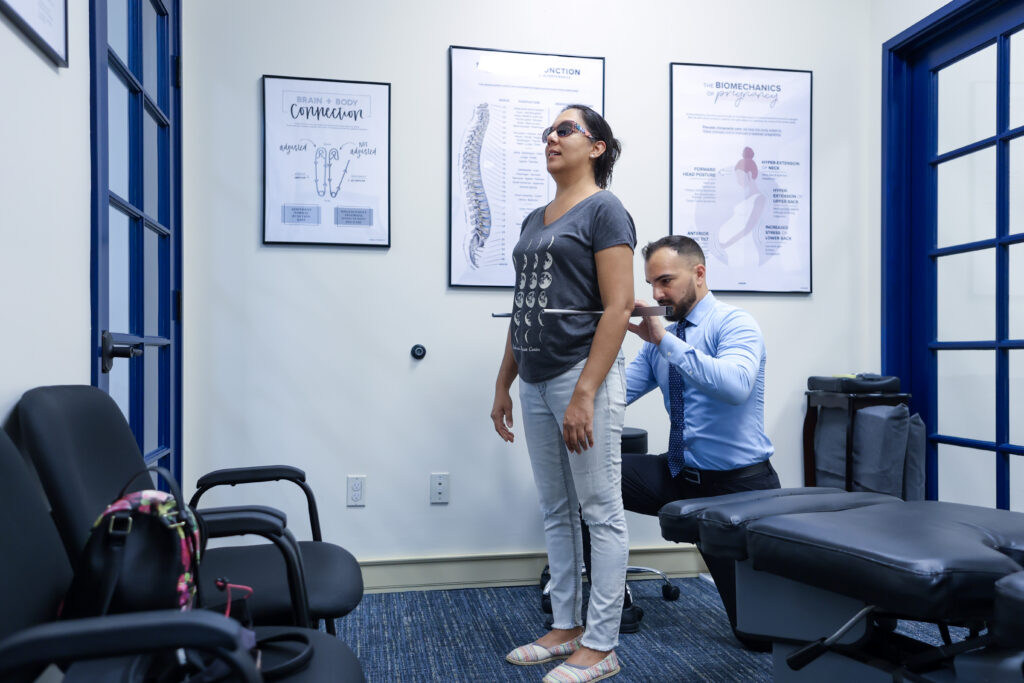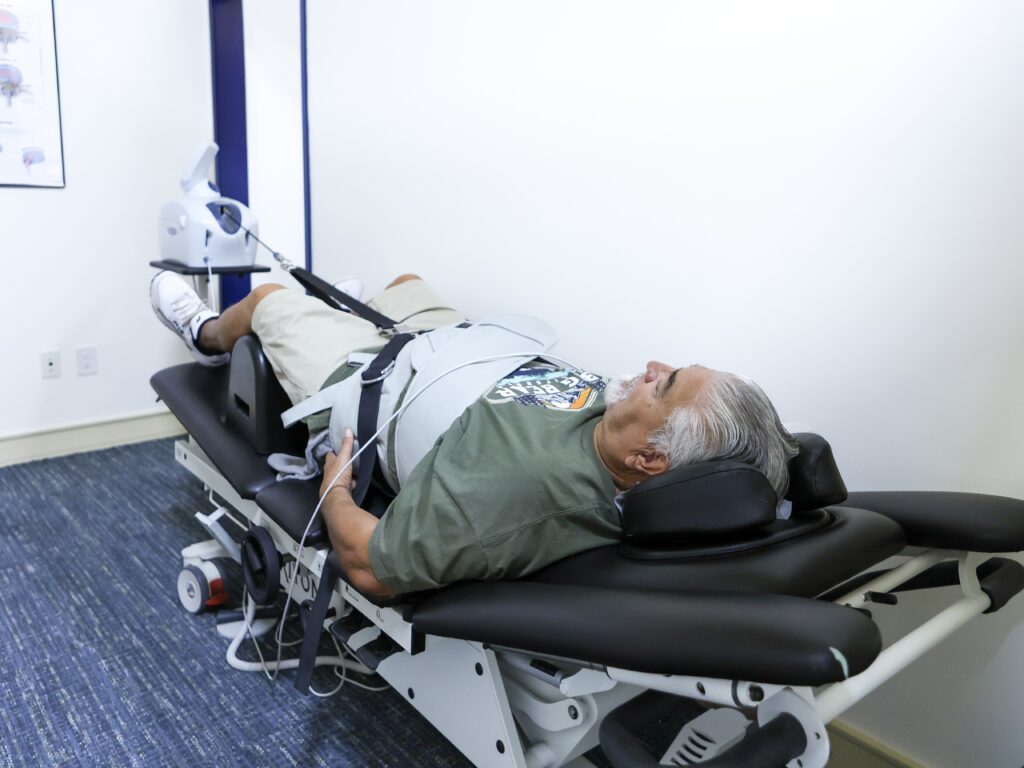

As a local chiropractor, I want to reassure you that if you're dealing with back pain, you're certainly not alone. It's crucial to recognize that understanding the underlying causes of your discomfort is just as important as taking effective steps toward relief. One of the key areas I focus on is helping patients make practical changes to their daily habits that can significantly alleviate pain.
For instance, evaluating and improving your workstation ergonomics can drastically reduce strain on your back. Additionally, incorporating targeted exercises tailored to your specific condition can enhance your recovery process. You might be surprised to learn that even minor lifestyle adjustments—such as improving your posture, increasing your physical activity, or managing stress—can lead to substantial improvements in your overall well-being.
Are you eager to learn how these various elements combine to form a comprehensive relief strategy? Together, we can explore how chiropractic care and natural healing practices can transform your experience with back pain. Let's work towards a healthier, pain-free life!
Understanding Back Pain Causes
Back pain can often appear out of nowhere, leaving many of us puzzled about where it came from. While some might attribute it to aging or everyday activities, it's important to recognize that back pain can arise from a variety of sources. Understanding these origins is crucial for finding relief, and that's where we come in as your local chiropractor.
One of the most frequent causes of back pain is muscle strains. If you've ever lifted something heavy or twisted your body in an unusual way, you might've strained the muscles or ligaments in your back. This type of strain typically results in localized discomfort, which can usually be alleviated through rest, chiropractic adjustments, and proper care.
On a more serious note, a herniated disc can lead to more intense pain. This happens when the soft, cushiony discs between your vertebrae become damaged and press against nearby nerves, often resulting in sharp pain that radiates down your legs. As chiropractors, we focus on spinal health and can help to relieve this pressure through gentle adjustments.
In addition to these physical causes, conditions like arthritis can also contribute to back pain. Over time, wear and tear on your joints can cause inflammation and discomfort.
You might also be surprised to learn that emotional stress can manifest physically, leading to tension in your back muscles. Your mental well-being is more connected to your physical health than you might think, and addressing stress can improve your pain perception and overall experience.
Furthermore, a lack of physical fitness or a sedentary lifestyle can weaken your back muscles, increasing your risk of injury. Our goal is to help you identify the underlying causes of your back pain so that we can develop a targeted approach to relief.
Importance of Good Posture
As a local chiropractor, I want to emphasize the vital role that good posture plays in preventing back pain and enhancing your overall spinal health. When you maintain proper alignment while sitting or standing, your body effectively distributes weight, which alleviates strain on your muscles and ligaments. This balance is essential for minimizing the risk of injury and discomfort, allowing you to move freely throughout your day.
Many people are unaware that poor posture can subtly infiltrate their daily routines. Whether it's slouching at your desk, hunching over your phone, or leaning while standing, these habits can lead to misalignment. Such positions place unnecessary pressure on your spine, resulting in muscle fatigue and pain. By cultivating awareness of your posture, you can proactively avoid these issues.
To help you maintain good posture, I encourage you to visualize a straight line extending from the top of your head down through your spine to your tailbone. Keep your shoulders relaxed—not slumped—and engage your core muscles to support your lower back.
When sitting, ensure your feet are flat on the ground, and your knees are positioned at a right angle. If you're working on a computer, adjust the screen to eye level to prevent leaning forward.
I understand that making a conscious effort to correct your posture may feel challenging initially, but with consistent practice, it can become second nature. Regularly checking in with your body will help you stay aligned and pain-free.
Stretching and Strengthening Exercises
As a local chiropractor, I want to emphasize the importance of good posture as a cornerstone for a healthy spine. However, to truly enhance your spinal health, incorporating stretching and strengthening exercises into your routine can make a world of difference. Not only can these exercises help alleviate back pain, but they also improve flexibility and build essential muscle strength.
Let's start with some gentle stretches that can be beneficial for your spine. One effective stretch is the cat-cow stretch. To perform this, get on all fours, arch your back upward like a cat, and then dip it downward while lifting your head. Hold each position for a few seconds to feel the stretch in your spine.
Another excellent option is the child's pose. Sit back on your heels, extend your arms forward, and enjoy the gentle pull in your lower back—it's a great way to release tension.
When it comes to strengthening your back, focusing on your core is crucial. Exercises like planks are exceptional for building core stability. Begin in a push-up position and hold your body straight, engaging your abdominal muscles. Start with holding the position for 20-30 seconds, and as you grow stronger, gradually increase the duration.
Don't overlook the importance of your glute muscles, as they play a vital role in supporting your lower back. Incorporating bridges into your routine can strengthen this area. To do this, lie on your back with your knees bent, and lift your hips off the ground while squeezing your glutes at the top.
Remember, consistency is key in any wellness journey. Aim for at least 15-30 minutes of stretching and strengthening exercises most days of the week.
As you build your strength and flexibility, you should notice a significant reduction in back pain, along with improvements in your posture and overall well-being. If you have any questions about these exercises or how they can complement your chiropractic care, please don't hesitate to reach out. Your journey to a healthier spine is important to us!
Ergonomic Workstation Setup
As a local chiropractor, I want to emphasize the importance of setting up an ergonomic workstation to support your overall health and well-being.
Start by adjusting your chair height so that your feet rest flat on the floor; this simple change can have a significant impact on your spinal alignment.
Next, position your monitor at eye level. This helps to reduce neck strain and encourages better posture throughout your workday.
By making these adjustments, you can help alleviate back pain and prevent discomfort, allowing you to work more efficiently and comfortably.
Chair Height Adjustment
As a chiropractor dedicated to your well-being, I want to emphasize the importance of adjusting your chair height for a healthier workstation. Proper chair height is crucial in creating an ergonomic environment that not only enhances your comfort but also helps prevent back pain.
When your chair is at the right height, your feet should rest flat on the floor, which stabilizes your posture and reduces strain on your body.
Here are some key benefits of adjusting your chair height correctly:
- Improved circulation: When your feet are flat on the ground, it promotes better blood flow, which can help reduce feelings of fatigue during long hours of sitting.
- Optimal lumbar support: Aligning your chair height with your desk ensures that your back receives the support it needs, which is vital for maintaining a healthy spine.
- Enhanced focus: Being in a comfortable seating position allows you to concentrate better and minimizes distractions caused by discomfort.
- Less strain on joints: A properly adjusted chair height can alleviate pressure on your hips and knees, helping to prevent long-term joint issues.
To adjust your chair, sit comfortably and check that your knees are at a 90-degree angle. Your thighs should be parallel to the floor, and your feet should be firmly planted on the ground.
If your chair doesn't have height adjustment features, consider using a footrest for additional support.
Remember, taking the time to properly set your chair height can significantly enhance your overall work experience, allowing you to focus on what truly matters without the nagging distraction of back pain.
Your body will thank you for it!
Monitor Positioning Tips
As a local chiropractor, I often see patients who underestimate the importance of proper monitor positioning in their daily routines.
Believe it or not, the way you set up your workspace can significantly affect your comfort and overall well-being. Incorrect monitor placement can lead to back pain and discomfort, which we want to avoid for optimal health.
To start, it's crucial to position your monitor at eye level. This adjustment helps prevent you from tilting your head, which can put undue strain on your neck and back. If you work with multiple monitors, make sure your primary monitor is directly in front of you, while the secondary one is slightly off to the side.
Another important tip is to keep your monitor about an arm's length away. This distance is essential for preventing eye strain and maintaining a neutral spine posture. If you wear glasses, take into account the distance that works best for your vision corrections.
Additionally, ensure that the top of your screen aligns with your eye level. Ideally, you should be looking slightly down at the screen, keeping your neck relaxed.
Lastly, don't forget to adjust the brightness and contrast settings to minimize glare, which can also strain your eyes.
By implementing these monitor positioning tips, you can create a more ergonomic workstation that not only supports your back health but also enhances your productivity.
Heat and Cold Therapy
As a chiropractor dedicated to helping you manage back pain through natural methods, I want to introduce you to the benefits of heat and cold therapy. These techniques can be incredibly effective in relieving discomfort and promoting healing without the need for invasive treatments.
Here's a breakdown of how these therapies work:
- Heat therapy: This method helps increase blood flow to the affected area, relaxes tight muscles, and alleviates stiffness, making it a great choice for chronic pain or muscle tension.
- Cold therapy: This approach is excellent for reducing inflammation, numbing sharp pain, and slowing down nerve signals, making it particularly useful immediately after an injury.
Timing is key: After an injury, I recommend using cold therapy within the first 48 hours to help minimize swelling. Once that initial phase has passed, transitioning to heat therapy can aid in relaxing your muscles and improving mobility.
Duration matters: For both heat and cold therapy, aim to apply the treatment for about 15-20 minutes at a time. This duration is effective while also protecting your skin from potential damage.
For heat therapy, you might find relief using a heating pad, a warm towel, or even soaking in a hot bath. Just ensure that the heat isn't too intense to prevent burns.
For cold therapy, ice packs or a bag of frozen vegetables wrapped in a cloth can be very effective, but always remember to avoid placing ice directly on your skin.
Combining both therapies can amplify your results. For example, you might start with cold therapy to tackle swelling, then switch to heat to soothe muscle tension. This alternating approach allows you to effectively address different aspects of your back pain.
I encourage you to experiment with these therapies to see what works best for you.
And if you have any questions or need personalized recommendations, please don't hesitate to reach out. As your chiropractor, I'm here to support you on your journey to natural healing and better back health.
Mindfulness and Relaxation Techniques
As a local chiropractor, I want to share how incorporating mindfulness and relaxation techniques can significantly benefit those experiencing back pain.
Techniques such as breathing exercises, guided meditation, and progressive muscle relaxation aren't just helpful for easing tension; they also foster a profound sense of calm that can enhance your overall well-being.
By integrating these practices into your routine, you empower yourself to manage pain more effectively and complement the chiropractic care you receive.
Embracing these natural healing methods can lead to a more holistic approach to your health and recovery.
Breathing Exercises Benefits
As a chiropractor dedicated to helping you achieve optimal health, I want to emphasize the importance of incorporating breathing exercises into your daily routine. These exercises can significantly enhance your mindfulness and relaxation, serving as a valuable tool in managing and alleviating back pain.
By directing your focus to your breath, you can cultivate greater awareness and reduce tension throughout your body, which is essential for relieving discomfort.
Here are some key benefits of breathing exercises that I encourage you to consider for back pain relief:
- Reduces muscle tension: Engaging in deep breathing techniques can help relax tight muscles, which in turn alleviates pressure on your spine.
- Improves posture: Proper breathing supports better alignment of your body, helping to prevent unnecessary strain on your back.
- Enhances blood flow: By increasing oxygen delivery through mindful breathing, you can promote healing and reduce inflammation in areas affected by pain.
- Promotes mental clarity: Mindful breathing not only calms the mind but also helps to diminish stress, which can often exacerbate pain.
Even dedicating just a few minutes each day to these breathing exercises can yield significant benefits.
I recommend starting with simple techniques like diaphragmatic breathing or the 4-7-8 method, which you may find provide immediate relief.
As you continue to practice, you may notice a reduction in your pain levels and an overall improvement in your sense of well-being.
Guided Meditation Practices
As a local chiropractor, I want to share how guided meditation practices can be a valuable addition to your routine, particularly when it comes to relieving back pain. By learning to focus your mind and calm your body, you can cultivate a sense of relaxation that alleviates tension and discomfort in your back.
To get started, find a quiet space where you can either sit or lie down comfortably. Close your eyes, take a few deep breaths, and allow yourself to be present in the moment. This simple practice can significantly impact your healing journey.
I recommend utilizing a guided meditation app or listening to recordings specifically designed for pain relief. These sessions often use visualization techniques that help you imagine warmth and healing energy surrounding your back.
As you engage in this practice, concentrate on your breath and gently let any distracting thoughts float away.
I suggest aiming for at least 10 to 20 minutes of meditation each day. Consistency is crucial; over time, you may notice a decrease in your back pain and an improvement in your overall well-being.
It's important to remember that the intention of meditation isn't to eliminate pain entirely but to foster a more relaxed state that can help you manage discomfort more effectively.
Progressive Muscle Relaxation
As a chiropractor dedicated to helping you manage and relieve back pain, I want to introduce you to a valuable technique known as Progressive Muscle Relaxation (PMR). This method can be an excellent addition to your routine, as it enables you to identify and release tension within various muscle groups, ultimately promoting relaxation and alleviating discomfort.
Here's what you can expect from incorporating PMR into your wellness journey:
- Heightened awareness of how your body feels and your stress levels, allowing you to become more in tune with your physical state.
- Deepened relaxation, which can significantly reduce muscle tension and enhance the effectiveness of chiropractic adjustments.
- Better sleep quality, as PMR teaches you how to unwind both your body and mind, leading to more restorative rest.
- Increased emotional resilience, equipping you with tools to better cope with pain and stress.
To get started with PMR, find a calm and quiet space where you won't be interrupted. Begin by taking several deep breaths to center yourself.
Then, progressively tense and relax each muscle group, starting from your toes and working your way up to your head. Hold each tension for a few seconds before releasing, and pay attention to the sensations you experience.
Repeat this process, particularly focusing on areas where you feel the most pain or tightness.
Dietary Considerations for Pain Relief
As a local chiropractor, I want to share how a well-balanced diet can significantly aid in alleviating back pain. It's important to understand that what you eat has a direct influence on inflammation levels in your body, and this can directly impact your pain. By incorporating anti-inflammatory foods into your meals, you could experience a marked improvement in your discomfort.
Start by focusing on fresh fruits and vegetables, particularly those high in antioxidants, such as berries, spinach, and tomatoes. These foods are powerful allies in combating oxidative stress and reducing inflammation, which can contribute to pain.
Healthy fats are another vital component. Incorporate foods like avocados, nuts, seeds, and olive oil into your diet, as these provide omega-3 fatty acids known for their inflammation-lowering properties. Additionally, I recommend including fatty fish such as salmon and mackerel in your meals. These fish are rich in nutrients that support joint health and can help ease discomfort.
Hydration is equally essential. Drinking adequate amounts of water is crucial for the health of your spinal discs and your overall well-being. Dehydration can lead to muscle cramps and stiffness, which may worsen back pain. If you enjoy caffeinated beverages, keep their diuretic effects in mind and be sure to balance them with plenty of water.
Moreover, it's important to limit processed foods, added sugars, and excessive salt in your diet. These can promote inflammation and contribute to weight gain, which adds extra strain on your back. Maintaining a healthy weight is key to supporting your spine and reducing pain.
Seeking Professional Help
Dealing with back pain can feel daunting, but as a local chiropractor, I want to assure you that seeking professional help can illuminate the path toward relief. When you consult with a chiropractor, you're engaging with a healthcare provider who specializes in understanding the spine, muscles, and nervous system—all of which play a critical role in your pain.
Let me share how chiropractic care can support you:
- Comprehensive Assessment: We conduct thorough evaluations to identify the underlying causes of your pain, rather than just treating the symptoms.
- Natural Treatment Approaches: Our focus is on non-invasive techniques, including spinal adjustments, soft tissue therapy, and lifestyle recommendations that promote natural healing.
- Tailored Recovery Plans: Each patient is unique, and we develop personalized treatment plans that align with your specific needs and daily activities.
- Continuous Support: Regular visits not only help monitor your progress but also allow us to adjust your treatment as needed to ensure optimal recovery.
Finding the right chiropractor is vital. I encourage you to start by reaching out to local practitioners, like myself, who can provide insight into their methods and experience with back pain.
It's important to find someone whose approach resonates with you, as this connection can significantly enhance your treatment experience.
Open communication is key. Share your symptoms and how they affect your daily life openly. This information empowers us to create a tailored strategy that addresses your specific challenges.
Lifestyle Changes for Long-Term Relief
As a local chiropractor, I want to share some essential insights on finding long-term relief from back pain. While professional treatment is vital, embracing lifestyle changes can significantly enhance your health and well-being.
First and foremost, let's talk about posture. Whether you're sitting at a desk or standing, maintaining a neutral spine is crucial. I often recommend investing in ergonomic furniture designed to support your body correctly, which can help alleviate strain on your back.
Regular physical activity is another cornerstone of back health. Incorporating exercises that strengthen your core is incredibly beneficial, as a strong core provides essential support for your spine. I encourage my patients to explore activities such as yoga and Pilates, which not only improve flexibility but also foster better posture.
Aim for at least 150 minutes of moderate aerobic activity each week to keep your body active and resilient.
Weight management is also an important factor to consider. Excess weight, particularly around the midsection, can place additional pressure on your back. A balanced diet that includes plenty of fruits, vegetables, lean proteins, and whole grains is key to maintaining a healthy weight.
Don't forget about the importance of good sleep hygiene. Make sure you're using a supportive mattress and pillow, and try to sleep in a position that maintains spinal alignment. Gentle stretching before bed can also help relieve tension.
Lastly, managing stress is crucial for overall health. Chronic stress can lead to muscle tension, which may worsen your back pain. I recommend exploring stress-reduction techniques such as meditation, deep breathing exercises, or engaging in hobbies that bring you joy.
By incorporating these lifestyle changes alongside chiropractic care, you can't only alleviate back pain but also enhance your overall well-being for years to come.
Conclusion
As a local chiropractor, I want to share with you the secrets to effectively relieving your back pain through a holistic approach. First and foremost, it's crucial to understand the underlying causes of your pain. Many times, poor posture and lack of movement contribute significantly to discomfort. By focusing on maintaining good posture and incorporating regular exercises into your routine, you can create a substantial positive impact on your back health.
Creating an ergonomic workspace is also vital. This means adjusting your desk, chair, and computer setup to support your spine properly. Utilizing heat and cold therapy can provide immediate relief and help reduce inflammation. Additionally, I encourage you to explore mindfulness techniques and maintain a healthy diet, as these can play a supportive role in your overall well-being.
If you're new to chiropractic care, I want to emphasize that seeking professional help can offer you tailored advice that addresses your specific needs. Even small changes in your lifestyle can lead to significant long-term relief. Remember, you're not alone in this journey—I'm here to help guide you every step of the way! Together, we can work towards a healthier, pain-free future. You've got this!