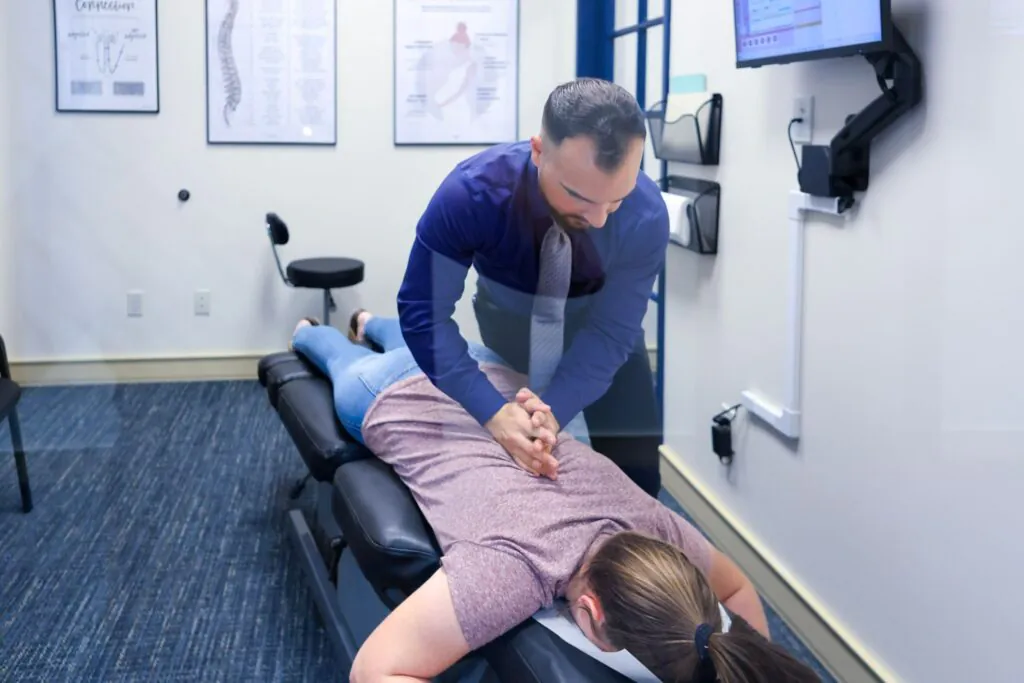

As a chiropractor, I often see athletes who are dedicated to pushing their limits, but many overlook the critical role that recovery plays in achieving peak performance. It's important to understand that effective recovery is just as vital as the training itself. Small adjustments, such as ensuring you get quality sleep and incorporating active recovery techniques, can significantly enhance your healing process and overall athletic results.
If you're interested in how chiropractic care can support these recovery strategies, I'm here to help you explore various methods to optimize your performance. From spinal adjustments to improve your body's function, to personalized rehabilitation exercises that promote active recovery, there are numerous ways to enhance your training regimen naturally. Let's work together to discover the essential tips and techniques that can make a real difference in your athletic journey.
Prioritize Sleep Quality
As a local chiropractor, I want to emphasize the crucial role that sleep quality plays in your recovery and overall health. Many people don't realize how significantly sleep affects not just your daily energy levels, but also your body's ability to heal and perform optimally.
Quality sleep is vital for muscle repair, memory consolidation, and the overall effectiveness of your training and daily activities. Insufficient sleep can leave you feeling sluggish and unfocused, which can hinder both your physical performance and your progress towards your wellness goals.
To improve your sleep quality, I recommend establishing a consistent sleep schedule. Going to bed and waking up at the same time each day helps to regulate your body's internal clock, promoting better rest.
Create a calming bedtime routine that signals to your body that it's time to relax—this may include activities like reading, gentle stretching, or meditating.
Your sleep environment is just as important. Make your bedroom a sanctuary for rest: keep it cool, dark, and quiet. Comfortable bedding can make a significant difference, so invest in what feels best for you.
Additionally, try to limit exposure to screens an hour before bedtime, as the blue light they emit can disrupt your circadian rhythms and make it harder to drift off.
Don't overlook the impact of your diet on your sleep quality. Heavy meals, caffeine, and alcohol close to bedtime can interfere with your ability to sleep soundly.
If you find yourself hungry before bed, opt for light snacks that will satisfy you without compromising your rest.
Incorporate Active Recovery
Active recovery can be a transformative practice for anyone looking to enhance their recovery and overall well-being, especially for athletes. As a local chiropractor, I often educate my patients about the importance of staying active, even on days when your body feels tired or sore. Instead of completely resting after a rigorous workout or competition, incorporating low-intensity activities into your routine can significantly speed up recovery and keep your body engaged.
This approach promotes better blood flow, reduces muscle soreness, and helps in eliminating metabolic waste from your system. You might assume that taking a break means doing absolutely nothing, but active recovery actually encourages gentle movement. Activities such as walking, cycling, swimming, or yoga can be incredibly beneficial. These exercises not only stretch your muscles but also prevent stiffness, all while being easy on your body.
I recommend aiming for active recovery sessions that last between 20 to 60 minutes, adjusting based on your fitness level and how you're feeling that day. It's essential to listen to your body during these sessions. If you experience fatigue or soreness, focus on gentle movements rather than pushing through discomfort. The primary goal here is to facilitate healing, not to exhaust your muscles further.
I encourage you to consider incorporating active recovery days into your weekly schedule, particularly following intense training or competition days. This practice can be an essential part of maintaining your overall health and performance, and I'm here to support you in your journey toward natural healing and optimal wellness.
Stay Hydrated
Staying hydrated is essential for your overall health and well-being, especially as you embark on your journey toward recovery and enhanced performance. As a local chiropractor, I want to emphasize how proper hydration directly impacts your body's ability to function optimally.
When you stay adequately hydrated, your muscles operate more effectively, your energy levels rise, and your chances of injury significantly decrease. Here are three important reasons to prioritize hydration:
- Improved Endurance: Hydration plays a crucial role in your endurance levels. When you're not drinking enough fluids, you may experience fatigue and reduced stamina, which can hinder your performance. I recommend keeping water or an electrolyte drink accessible before, during, and after your workouts to ensure you maintain optimal hydration levels.
- Enhanced Recovery: After engaging in strenuous activities, your body requires water to recover properly. Hydration aids in transporting vital nutrients to your muscles and helps eliminate waste products that can slow down recovery. By ensuring you're well-hydrated, you can recover more quickly and prepare your body for the next challenge.
- Temperature Regulation: Staying hydrated is key to regulating your body temperature, especially during exercise. As you work out, your body produces heat, and sweating is essential in cooling you down. If you're dehydrated, your body struggles to sweat effectively, which can lead to overheating and diminished performance.
To ensure you're getting enough fluids, make it a habit to drink water consistently throughout the day—not just during your exercise routine. A good guideline is to pay attention to your body; if you feel thirsty, it's a clear indication that you need to hydrate.
Optimize Nutrition
As a local chiropractor, I want to emphasize the crucial role nutrition plays in your recovery and overall health. The foods you choose to fuel your body can significantly influence your energy levels, muscle repair, and overall well-being.
To support your recovery and enhance your performance, it's vital to adopt a balanced diet rich in carbohydrates, proteins, and healthy fats. Carbohydrates are key for refilling glycogen stores, especially after intense physical activities. Meanwhile, proteins are essential for repairing and building muscle tissue.
I recommend incorporating high-quality protein sources into your meals, such as lean meats, fish, eggs, dairy, and plant-based options like beans and tofu. Depending on your activity levels, aim for a protein intake of about 1.2 to 2.0 grams per kilogram of body weight to support your body's needs.
Healthy fats shouldn't be overlooked, as they play an important role in hormone production and overall health. Include sources like avocados, nuts, seeds, and olive oil in your diet.
Timing your meals is just as crucial as the nutritional content. I encourage you to consume a meal or snack that combines both carbohydrates and protein within 30 minutes after your workouts. This post-exercise window is vital for maximizing recovery and muscle synthesis.
Additionally, be mindful of your overall caloric intake; your body needs adequate fuel to meet the demands of your training and daily activities. Lastly, don't forget about the importance of micronutrients—vitamins and minerals that are essential for maintaining your health and enhancing performance.
Incorporating a variety of fruits and vegetables into your diet will ensure you're getting a broad spectrum of nutrients. By prioritizing your nutrition, you can support your body's natural healing processes and set the foundation for a successful recovery and enhanced performance.
Your health is an investment, and nutrition is a key component of that investment.
Utilize Recovery Technologies
As a local chiropractor, I want to share with you the incredible benefits of recovery technologies that can enhance your performance and speed up your recovery, especially if you're new to chiropractic care and natural healing.
Understanding these tools can help you reduce downtime and improve your effectiveness in both daily activities and training. Here's how you can incorporate recovery technologies into your wellness routine:
1. Compression Therapy: This is a fantastic method that promotes blood flow and diminishes muscle soreness.
By utilizing compression garments or pneumatic compression devices, you can aid your muscles in recovering more quickly and alleviate feelings of fatigue after challenging workouts. It's a simple yet effective way to support your body's natural healing processes.
2. Cryotherapy: Have you ever considered the benefits of cold therapy?
Exposing your body to extreme cold can significantly reduce inflammation and pain. Whether you opt for whole-body cryotherapy chambers or localized treatments, this technique can provide rapid relief and help you recover faster from strenuous activities, making it an excellent addition to your recovery toolkit.
3. Electrical Stimulation: This technology uses electrical impulses to enhance muscle recovery and relieve soreness.
By employing electrical stimulation devices after your workouts, you can encourage muscle contractions, improve circulation, and promote healing in those overworked areas. It's a non-invasive way to support your body's natural recovery mechanisms.
Incorporating these recovery technologies into your routine can make a significant difference in your performance and overall well-being.
Remember, the goal is to train smarter, not just harder. By embracing these advancements, you'll be better prepared to tackle your next challenge, ensuring you stay at your best.
As your chiropractor, I encourage you to explore these powerful recovery tools; they're essential for anyone looking to maximize their health and potential naturally.
Conclusion
As a local chiropractor, I want to emphasize the importance of incorporating recovery strategies into your routine to enhance your athletic performance and overall health. Quality sleep is crucial for your body's healing processes, so make it a priority. Active recovery, such as gentle stretching and movement, can aid in muscle recovery and reduce soreness. Staying hydrated is vital for optimal function, so ensure you're drinking enough water throughout the day.
Nutrition also plays a significant role; fueling your body with wholesome foods will provide the energy and nutrients needed for recovery. Additionally, consider embracing recovery technologies, such as chiropractic adjustments and therapies, to support your body's natural healing capabilities.
Listening to your body and making necessary adjustments is key to optimizing your recovery. Remember, effective training goes hand in hand with smart recovery practices. Start implementing these strategies today, and you'll not only feel better but also perform better in your athletic endeavors!