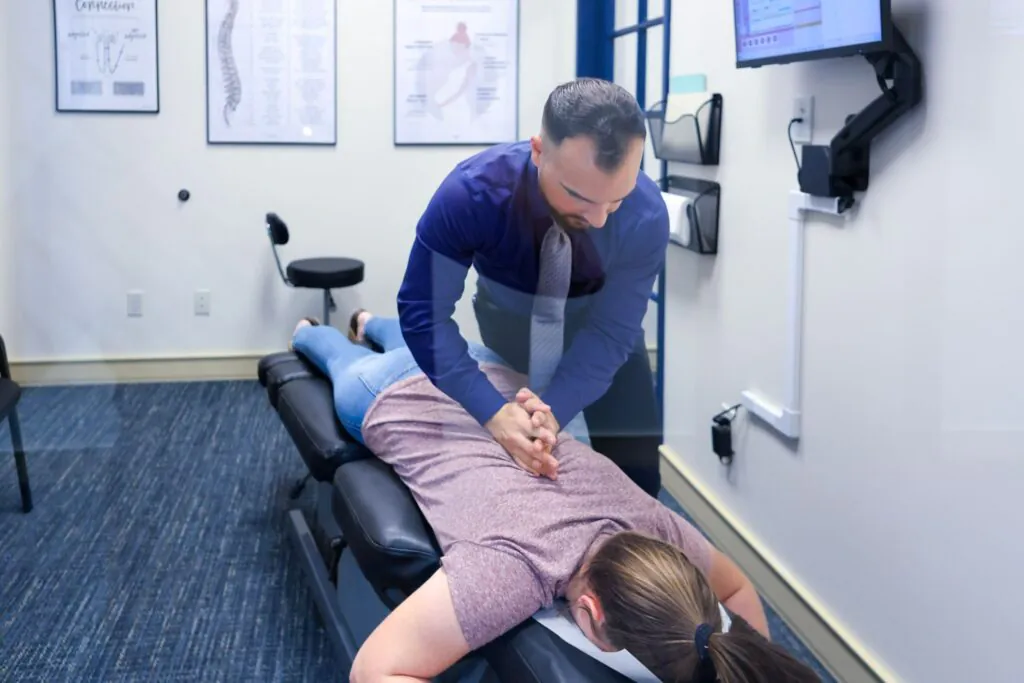

As a local chiropractor, I understand that stress can often sneak into your daily life, but it's crucial to know that you don't have to let it take over. There are several natural techniques that can help you manage stress effectively and restore a sense of calm in your life. For instance, deep breathing exercises can significantly promote relaxation, and spending time in nature can provide a much-needed mental reset. These methods are not just beneficial—they can be surprisingly effective in reducing stress levels. If you're interested in learning how each technique works and which might be the best fit for your lifestyle, let's discuss these options together and see how we can incorporate them into your routine for better overall wellness.
Deep Breathing Exercises
As a chiropractor, I often emphasize the importance of deep breathing exercises as a natural method for managing stress and promoting overall well-being. When you engage in deep breathing, you activate your body's relaxation response, which can significantly help in calming your mind and alleviating anxiety. It's a straightforward and effective practice that requires no special equipment or extensive training.
To begin, I recommend finding a comfortable position—whether that's sitting in a chair or lying down on a flat surface. Close your eyes and take a moment to focus on your breath. Inhale slowly through your nose, allowing your abdomen to expand. Visualize your lungs filling with air, and feel your body relax with each breath. Hold that breath for a count of three, then gently exhale through your mouth. As you breathe out, imagine releasing any tension and stress you may be holding onto.
You can repeat this process for several minutes, gradually increasing the length of each inhale and exhale. To help maintain a steady rhythm, consider counting your breaths—inhale for a count of four, hold for four, and exhale for six. This technique can enhance your sense of control over stress, which is integral to maintaining good health.
I encourage you to incorporate deep breathing exercises into your daily routine. Whether you take a few moments during a particularly stressful day or set aside dedicated time each morning, consistent practice can lead to lasting benefits.
You'll likely discover that you feel more centered and focused, enabling you to tackle life's challenges with greater ease. Remember, it's all about tuning into your breath and letting go of any negativity that no longer serves you. As your chiropractor, I believe these practices can complement your journey towards holistic health and wellness.
Mindfulness Meditation
As a chiropractor, I often emphasize the importance of holistic approaches to health and wellness, and one powerful tool I recommend for managing stress is mindfulness meditation. This practice builds on the calming effects of deep breathing, promoting relaxation and a sense of well-being that can complement the physical adjustments we make in the office.
Mindfulness meditation encourages you to focus on the present moment, allowing you to detach from the racing thoughts and worries that can contribute to physical tension and stress in the body. By dedicating just a few minutes each day to this practice, you can enhance your emotional health, which can, in turn, support your overall physical well-being.
To get started with mindfulness meditation, find a quiet space where you can be undisturbed. Sit comfortably, close your eyes, and take a few deep breaths to help center yourself. As you settle in, direct your attention to your breath. Notice each inhale and exhale, and allow any thoughts that arise to come and go without judgment. If your mind starts to wander, gently bring your focus back to your breath. This simple practice cultivates awareness and fosters a more peaceful mindset, which can be beneficial as you undergo chiropractic care.
Additionally, there are many guided mindfulness meditation apps and videos available that provide structured exercises to support your practice. These resources often introduce techniques such as body scans or loving-kindness meditation, which can enhance your experience and provide additional stress relief. This is particularly relevant for my patients, as reducing stress can help alleviate physical discomfort and improve your overall response to treatment.
The beauty of mindfulness meditation is its accessibility; you can practice it anywhere, anytime. Whether you're at home, in the office, or even during your commute, taking a moment to engage in mindfulness can help ground you and promote inner calm.
Physical Activity
As a local chiropractor, I want to emphasize the importance of physical activity not just for your overall wellness but also for stress relief, which can significantly impact your spinal health. Engaging in regular exercise allows your body to release endorphins—natural hormones that serve as painkillers and mood boosters. This endorphin release can enhance your mood and help you manage daily stress, which is essential for maintaining a healthy spine.
You don't need to commit to running marathons or spending countless hours at the gym to experience these benefits. Even a simple brisk walk in your neighborhood can have a profound effect on your mood and well-being. I recommend aiming for at least 30 minutes of moderate activity on most days.
Whether you prefer dancing, cycling, or even gardening, finding an activity you enjoy is key to making it a regular part of your life. Incorporating physical activity into your daily routine can also serve as a constructive distraction from stressors.
Focusing on the rhythm of your movements or the beauty of your surroundings helps clear your mind of worries, allowing for better mental clarity. Furthermore, consistent exercise can improve your sleep quality, which is crucial in managing stress and promoting overall health.
Don't overlook the social aspect of physical activity either. Joining a class or a local sports team can foster connections with others, enhancing your sense of community and support—an important element in holistic healing.
Remember, the aim isn't perfection; it's about discovering what works best for your lifestyle and needs. Start with small, manageable steps and gradually increase your activity level.
Herbal Remedies
As a local chiropractor dedicated to promoting holistic health, I often see patients who are seeking natural alternatives for stress relief. While many are accustomed to traditional medications, I want to share how herbal remedies can be a beneficial addition to your wellness routine, offering a natural way to achieve balance and tranquility without the unwanted side effects of prescription drugs.
One of the most well-known herbs for stress relief is chamomile. Its calming properties make chamomile tea a fantastic option for unwinding after a long day. I recommend steeping a tea bag in hot water and sipping it slowly to allow the soothing effects to envelop you, promoting relaxation.
Another herb I often suggest to my patients is ashwagandha, a key player in Ayurvedic medicine. This adaptogen is known for helping the body manage stress and may even enhance your mood. You can find ashwagandha in capsule form or as a powder that can be easily mixed into smoothies or warm milk, making it a versatile choice for stress management.
Lavender is also an excellent option, celebrated for its calming aroma. Incorporating lavender essential oil into your daily routine can be incredibly effective—consider using it in a diffuser, adding a few drops to your bath, or placing dried lavender sachets under your pillow to help foster restful sleep.
Finally, I encourage you to explore passionflower. Research has shown that this herb can reduce anxiety and enhance overall well-being. It's available in teas or tinctures, providing you with simple ways to weave it into your daily life.
Nature Immersion
As a local chiropractor, I often emphasize the importance of holistic approaches to health and wellness, including the powerful benefits of immersing yourself in nature. Stepping outside and connecting with the natural world can serve as an effective remedy for stress and tension, both of which can impact your overall well-being and spinal health.
When you take the time to engage with nature, your mind can begin to unwind, and your body can relax. Research indicates that even brief periods spent outdoors can significantly lower anxiety levels and enhance your mood—two factors that are crucial for maintaining a healthy spine and nervous system.
Picture yourself walking through a serene forest, feeling the warmth of the sun on your skin, and listening to the soothing sounds of leaves rustling in the breeze. These simple yet profound experiences can help ground you and redirect your focus away from everyday stresses that may contribute to physical tension and discomfort.
I encourage you to incorporate this practice into your routine. Whether you choose to hike in the mountains or take a leisurely stroll in a nearby park, being surrounded by greenery and fresh air can invigorate your spirit and promote better alignment and posture.
You don't have to embark on a lengthy excursion; even a few minutes spent outside can yield significant benefits. Consider utilizing your lunch break to sit in a garden or walk around your neighborhood. As you do, remember to breathe deeply and engage with the sights and sounds around you.
To enhance your experience, fully engage your senses. Observe the vibrant colors of blooming flowers, listen to the cheerful chirping of birds, and feel the unique textures of tree bark. This practice of mindfulness not only aids in stress relief but can also contribute to your overall health, complementing the care I provide in my chiropractic practice.
The next time you're feeling overwhelmed, remember that nature is just outside your door, ready to help you recharge and restore balance. By making nature immersion a regular part of your life, you may find that your relationship with stress transforms for the better. You deserve peace and well-being, both physically and mentally.
Conclusion
As a local chiropractor, I want to share how incorporating these five natural techniques into your daily routine can significantly improve your ability to manage stress. First, practicing deep breathing can help calm your nervous system, allowing for better focus and relaxation. Next, engaging in mindfulness meditation can enhance your awareness and promote emotional balance, which is essential for overall health.
Staying active is another key component; physical movement not only supports spinal health but also releases endorphins that elevate your mood. Additionally, exploring herbal remedies can provide a natural way to soothe your mind and body, though it's always best to consult with a professional to find what suits you best. Lastly, immersing yourself in nature has been shown to reduce stress levels and improve mental clarity.
Remember, chiropractic care is about more than just spinal adjustments; it's about holistic wellness. Finding what works best for you is crucial. So, take a moment today to try one of these methods and embark on your journey toward a calmer, more balanced life. Your body and mind will thank you!