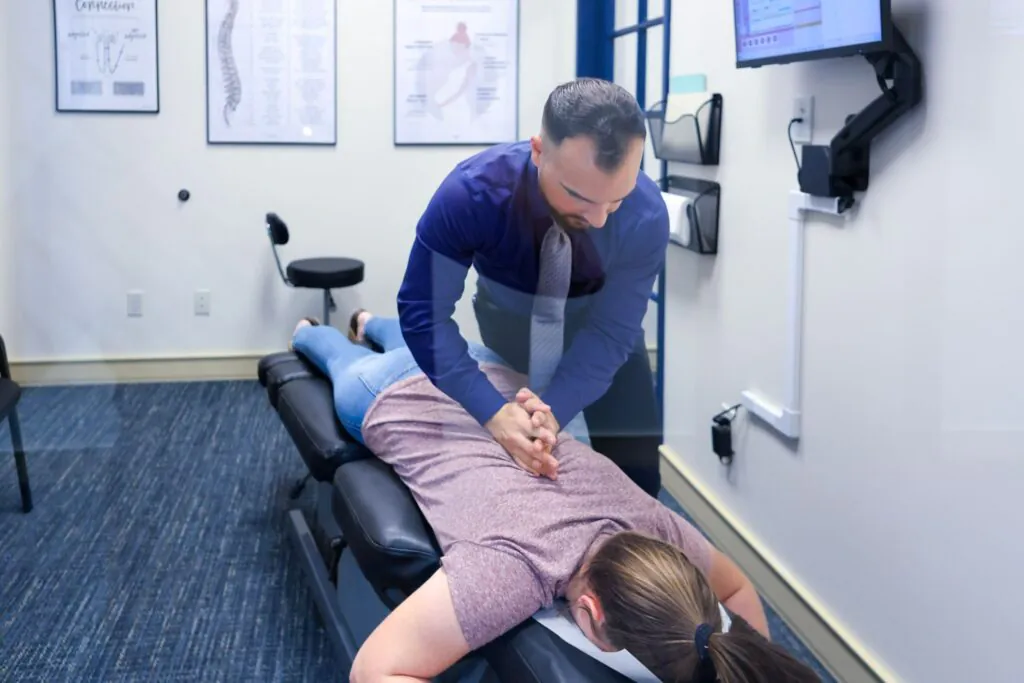

As a local chiropractor, I often see patients looking to enhance their flexibility, and it's important to understand that the process can be both simple and effective. Flexibility isn't solely about stretching; it's a holistic approach that includes various techniques that can significantly improve your mobility and overall well-being.
Incorporating dynamic warm-ups into your routine is a fantastic way to prepare your body for movement and reduce the risk of injury. Additionally, exploring practices like yoga can provide not only physical benefits but also promote mental relaxation and balance.
Listening to your body is crucial; it helps you recognize your limits and allows for a more personalized approach to flexibility training. Don't underestimate the role of hydration either—it's vital for maintaining muscle elasticity and joint health.
If you're curious about specific strategies that can make a notable difference in your flexibility journey, I'm here to guide you through these authentic methods of natural healing. Let's work together to enhance your flexibility and overall health!
Regular Stretching Routine
As a chiropractor, I often emphasize the importance of flexibility in maintaining overall health and wellness. One of the most effective ways to enhance your flexibility is by incorporating a regular stretching routine into your daily life. I recommend starting with just 10 to 15 minutes each day dedicated to this practice. You don't need any specialized equipment; a yoga mat or any comfortable space will suffice.
When beginning your stretching routine, focus on the major muscle groups that often require attention, such as the hamstrings, quadriceps, back, and shoulders. It's essential to start gently. Hold each stretch for about 15 to 30 seconds, and remember to breathe deeply. Deep breathing helps your muscles relax, allowing for a more effective stretch. If you experience any pain while stretching, ease off — stretching shouldn't be painful.
Consistency is crucial in this journey towards improved flexibility. Aim to incorporate stretching into your routine at least three to five times a week. You can also seamlessly integrate stretching into your warm-up or cool-down sessions during workouts. Even a few minutes of targeted stretches can significantly enhance your flexibility over time.
To keep yourself motivated, track your progress by noting how far you can reach or how much your flexibility improves over time. It's important to understand that achieving flexibility is a gradual process that requires patience and commitment. As you stay dedicated to this practice, you'll likely notice enhancements in your range of motion, posture, and even your athletic performance.
Dynamic Warm-Up Techniques
As a local chiropractor, I want to emphasize the importance of dynamic warm-ups in preparing your body for physical activity.
These warm-ups aren't just about stretching; they play a crucial role in enhancing flexibility, boosting your overall performance, and significantly lowering the risk of injuries.
Incorporating effective warm-up exercises into your routine can help you move more freely and confidently, ensuring that your body is ready for action.
Let's dive into some of these exercises that can benefit you and your alignment, setting the stage for optimal physical health and well-being.
Benefits of Dynamic Warm-Ups
As a local chiropractor, I want to share with you the incredible benefits of dynamic warm-ups for your body, especially if you're new to chiropractic care and natural healing.
Dynamic warm-ups are designed to prepare your body for physical activity by gradually elevating your heart rate and loosening your muscles. This not only enhances your overall performance but also significantly reduces the risk of injury.
When you engage in dynamic stretches, you're improving your range of motion, which allows your joints and muscles to function more effectively during any physical activity you undertake. This is crucial for maintaining good spinal health and overall wellness.
Furthermore, dynamic warm-ups increase your body temperature, promoting muscle elasticity. Warm and flexible muscles are less susceptible to strains and tears, which means you'll feel more confident whether you're running, lifting weights, or participating in sports. This is particularly important for preventing injuries that can disrupt your healing process or lead to chronic pain.
In addition to the physical benefits, dynamic warm-ups also enhance your mental focus and readiness. As you move through various dynamic exercises, you're not only warming up your body but also mentally preparing yourself for the tasks ahead. This mental engagement can improve your coordination and agility, making your workouts more effective.
Incorporating dynamic warm-ups into your routine isn't just advantageous for your physical health; it lays the groundwork for a more productive and enjoyable exercise experience.
Effective Warm-Up Exercises
As a local chiropractor, I want to emphasize the importance of a successful warm-up before engaging in any physical activity. A proper warm-up not only prepares your body for exercise but also helps to prevent injuries, ensuring a safe and effective workout.
Begin with dynamic stretches that closely mimic the movements you'll be performing. For example, leg swings are excellent for improving hip flexibility and activating the lower body. To perform this, stand next to a wall for support. Swing one leg forward and backward, then switch to the other leg. This simple motion can help enhance your range of motion and reduce the risk of strain.
Next, let's discuss arm circles, which are great for loosening up your shoulders. Stand up straight, extend your arms out to the side, and create small circles with your arms. Gradually increase the size of these circles. Aim to do this for about 30 seconds in each direction. This helps to promote blood flow to your shoulder joints and muscles, preparing them for more intense movements.
Incorporating walking lunges is another effective way to engage your core and lower body. Step forward into a lunge while ensuring your front knee remains aligned with your ankle. Alternate legs and aim for 10-15 repetitions. This exercise not only warms up your muscles but also helps in maintaining proper alignment, which is crucial for overall spinal health.
Lastly, don't overlook the benefits of high knees. This exercise involves jogging in place while driving your knees up toward your chest and pumping your arms. It effectively elevates your heart rate and warms up your entire body, getting you ready for your workout.
Incorporating Yoga Practices
As a local chiropractor, I want to share how incorporating yoga practices into your routine can significantly enhance your overall well-being, particularly your flexibility.
Many of my patients have found that essential yoga poses not only help to stretch tight muscles but also improve their breathing techniques. This holistic approach makes each session more beneficial for your body.
It's important to remember that consistency is key when it comes to any form of exercise, including yoga. By integrating these mindful movements into your daily life, you can support your chiropractic care and promote natural healing.
Let's explore how you can seamlessly weave yoga practices into your wellness journey for better flexibility and overall health.
Essential Yoga Poses
As a local chiropractor, I want to share how essential yoga poses can significantly enhance your flexibility and overall well-being. Incorporating these poses into your daily routine not only helps achieve your flexibility goals but also promotes mindfulness and relaxation, which are vital for maintaining optimal health.
Let's begin with Downward-Facing Dog. This pose is fantastic for stretching your hamstrings, calves, and spine, creating a strong foundation for your body. Following this, the Forward Fold can be beneficial as it specifically targets your back and hamstrings, allowing for the release of tension and a deeper stretch.
Next, I recommend the Cat-Cow stretch. This dynamic movement is excellent for warming up your spine, promoting flexibility in both your back and neck—areas that often require extra attention. Transitioning into the Pigeon pose can help open your hips, enhancing mobility in this commonly tight region.
Don't forget about the Cobra pose; it's a great way to strengthen your spine while simultaneously stretching your chest and shoulders.
Finally, conclude your routine with the Seated Forward Bend. This pose not only effectively stretches your hamstrings but also calms your mind, providing a moment of reflection that's essential for your overall mental health.
Integrating these yoga poses into your routine can complement chiropractic care by promoting natural healing and improving your body's alignment.
Breathing Techniques Importance
Breathing is often taken for granted, but it plays a crucial role in your overall health and well-being, especially when it comes to your body's alignment and movement.
As a chiropractor, I see the benefits of proper breathing techniques not only in enhancing flexibility but also in promoting a healthier spine and nervous system. When you focus on your breath, you create a stronger connection between your mind and body, which can lead to improved posture and reduced tension.
Here are some reasons why breathing is vital for your health:
- Promotes Relaxation: Engaging in deep, controlled breathing activates the parasympathetic nervous system, helping to reduce stress and tension in your body.
- Enhances Focus: Concentrating on your breath allows you to center your thoughts, which can help you stay present and mindful during your activities, ultimately improving your overall body awareness.
- Improves Oxygen Flow: Deep, intentional breathing increases oxygen supply to your muscles and organs, which can enhance physical performance and endurance, as well as support healing processes.
- Supports Alignment: Coordinating your breath with movement contributes to better body mechanics and alignment, making it easier to maintain proper posture and prevent injuries.
Incorporating these breathing techniques into your daily routine can significantly improve your physical health and promote a sense of calm.
As you become more aware of your breath, you may find that it positively transforms your overall well-being.
Consistency in Practice
As a chiropractor, I often emphasize the importance of regular practice when it comes to enhancing your overall well-being, particularly through activities like yoga. Engaging in yoga consistently can greatly complement the benefits of chiropractic care, especially in promoting proper breathing techniques and improving flexibility.
It's essential to establish a routine to truly experience the positive effects on your body. I recommend setting aside dedicated time each week for your yoga practice—whether you prefer a brief morning session or a more extended evening routine. This consistency allows your body to adapt to the movements, making it easier to achieve progress in your flexibility and overall health.
Begin with shorter sessions that focus on foundational poses such as Downward Dog and Forward Bend. As you become more comfortable, gradually increase the duration of your practice and explore deeper stretches. Always remember to prioritize proper alignment and breath control, as these elements are crucial for effective practice and injury prevention.
It's important to understand that flexibility isn't something that happens overnight. Everyone's journey is unique, and it's normal to not see immediate results. Incorporating a variety of poses that target different muscle groups will help you gain a more well-rounded flexibility.
Always listen to your body; if you encounter tightness, take your time with stretches and hold them longer to facilitate muscle release. By integrating yoga into your routine alongside chiropractic care, you can support your body's natural healing processes and enhance your overall flexibility and wellness.
Foam Rolling Benefits
As a local chiropractor, I want to share the incredible benefits of foam rolling and how it can play a vital role in enhancing your flexibility and overall physical performance. Many of my patients are unfamiliar with foam rolling, so let me explain why it's such a valuable tool for your wellness routine.
Foam rolling can effectively loosen tight muscles, improve blood circulation, and promote quicker recovery after workouts. It's a simple and accessible method that can significantly impact how you feel and move in your daily life.
Here are some essential benefits of incorporating foam rolling into your self-care regimen:
- Increases Blood Flow: Foam rolling stimulates circulation, which helps deliver oxygen and vital nutrients to your muscles. This process aids in recovery and can reduce post-exercise soreness, making your body feel rejuvenated.
- Reduces Muscle Tension: By applying pressure to specific tight areas, foam rolling helps alleviate muscle tightness and tension. This relaxation allows your muscles to become more pliable and flexible, contributing to better overall function.
- Enhances Range of Motion: Regular foam rolling can significantly improve your flexibility. It breaks down adhesions in muscle tissue, which allows for greater movement in your joints. This increased range of motion can enhance your performance in physical activities.
- Prevents Injuries: Maintaining muscle elasticity and reducing tightness through foam rolling can help prevent injuries related to overexertion or inadequate muscle function. This preventative approach is essential for anyone looking to stay active and healthy.
Incorporating foam rolling into your warm-up or cool-down routine can lead to enhanced performance and improved flexibility. I encourage you to make it a habit.
Many of my patients have noticed a remarkable improvement in how their bodies feel during workouts and everyday activities after adding foam rolling to their routines.
So, why not grab a foam roller and start experiencing the benefits for yourself? It's a straightforward yet effective way to elevate your flexibility and overall well-being.
Mindful Breathing Exercises
As a local chiropractor dedicated to your well-being, I want to introduce you to the transformative power of mindful breathing exercises. These techniques can significantly enhance both your mental and physical health. By concentrating on your breath, you can foster a sense of calm and improve your body's flexibility, which is essential for overall wellness.
Begin your journey by finding a comfortable position, whether seated or lying down. Close your eyes and take a deep breath in through your nose, allowing your abdomen to expand fully. Hold that breath for a moment, then slowly exhale through your mouth.
While doing this, pay attention to the rise and fall of your chest and identify any areas of tension in your body. This mindful awareness is crucial; it helps you release those tight spots, leading to improved flexibility and a more relaxed state.
I encourage you to incorporate these breathing exercises into your daily routine. A great technique to start with is the 4-7-8 method: inhale for a count of four, hold for seven, and exhale for eight. This practice not only calms your mind but also relaxes your muscles, making it easier for you to stretch and move.
As you develop better breath control, you'll find your body responding more positively to flexibility exercises, which can complement the chiropractic care I provide.
Remember, there's no need to rush the process. Let each breath deepen your connection with your body. As you make mindful breathing a part of your life, you may notice improvements in your balance and range of motion, setting the stage for a more flexible and healthier you.
Together, we can enhance your overall well-being through natural healing practices like these.
Consistent Hydration Importance
As a local chiropractor, I want to emphasize the vital role that hydration plays in your muscle function and overall flexibility.
It's essential to maintain consistent water intake throughout the day, especially around your workout sessions. Proper timing of hydration can significantly impact how your body performs during physical activities and recovers afterward.
Staying hydrated not only supports your muscles but also aids in the natural healing processes that chiropractic care promotes.
Make it a habit to drink water regularly, and you'll likely notice improvements in your overall wellness and mobility.
Hydration and Muscle Function
As your local chiropractor, I want to emphasize the importance of hydration in relation to muscle function and flexibility. Many people may not realize that staying properly hydrated is crucial for your muscles to operate at their peak. When your body has enough water, it allows your muscles to stretch and move more freely. On the other hand, dehydration can lead to muscle cramps, fatigue, and decreased performance, which can hinder your flexibility.
To help you maintain optimal hydration levels, consider these key points:
- Improved muscle elasticity: When your muscles are well-hydrated, they become more elastic, which means you can enjoy a greater range of motion during your daily activities and exercise.
- Reduced risk of injury: Keeping your muscles hydrated helps prevent strains and tears, which can keep you safe while engaging in physical activities and workouts.
- Enhanced nutrient transport: Water is vital for transporting essential nutrients to your muscles, aiding in their recovery and growth after exertion.
- Better overall performance: Proper hydration supports your body's overall function, allowing you to partake in activities that promote your flexibility and well-being.
Water Intake Recommendations
As a local chiropractor, I want to emphasize the importance of maintaining consistent hydration for your overall health, particularly when it comes to maximizing muscle function and flexibility. When your body is well-hydrated, your muscles can operate at their optimal level, which is crucial for enhancing flexibility and preventing injuries.
A good rule of thumb is to aim for at least half your body weight in ounces of water each day. For instance, if you weigh 150 pounds, you should be consuming around 75 ounces of water daily.
It's essential not to wait until you're thirsty to hydrate. Instead, I encourage you to make it a habit to sip water throughout the day. This proactive approach helps maintain the fluid balance your body needs for peak muscle performance.
Also, keep in mind your activity level; you'll require more water if you're exercising or engaging in physical activities.
Incorporating hydrating foods such as fruits and vegetables into your diet can also significantly contribute to your overall fluid intake. I recommend keeping a reusable water bottle with you as a reminder to drink regularly.
Prioritizing hydration supports not only your muscles but also aids in recovery and improves your overall flexibility. By taking these simple steps to stay hydrated, you'll likely notice positive effects on your flexibility and performance.
Timing of Hydration
As a local chiropractor, I want to emphasize the importance of consistent hydration for your overall health, especially when it comes to optimizing muscle function and flexibility. Hydration is about more than just drinking water; it's about understanding the right timing for when to hydrate. Proper hydration can significantly enhance your body's performance and recovery, which is essential for anyone looking to improve their flexibility and overall well-being.
Let's break down how to time your hydration effectively:
- Pre-Workout: It's crucial to drink water at least 30 minutes before you engage in any physical activity. This ensures that your muscles are well-hydrated and ready to perform optimally.
- During Exercise: Make it a point to sip water regularly throughout your workout, especially during more intense sessions. This helps maintain your hydration levels and can prevent muscle cramps, which are often a sign of dehydration.
- Post-Workout: After your exercise routine, rehydrate immediately. This step is vital for helping your muscles recover and reducing stiffness, allowing you to bounce back quicker and feel better.
- Throughout the Day: Don't wait until you feel thirsty to drink water. Aim to consume fluids consistently throughout your day. This practice keeps your muscles primed for flexibility training and supports your overall health.
By staying consistent with your hydration, you help keep your muscles elastic and ready for stretching. I encourage you to monitor your fluid intake as a part of your daily routine.
You'll likely notice a positive impact on your flexibility and overall performance. Understanding the timing of your hydration can enhance your results and help you achieve your wellness goals more effectively.
Strength Training for Flexibility
As a local Chiropractor, I'd like to share how strength training can be an excellent complement to your overall health and wellness, particularly when it comes to enhancing flexibility. Many people think of strength training solely as a means to build muscle, but it offers a dual benefit that can greatly improve your body's function and mobility.
When you incorporate strength exercises into your routine, you're not just increasing muscle power; you're also teaching your muscles to stretch effectively. This improved flexibility leads to a greater range of motion, which is crucial for maintaining a healthy, active lifestyle.
I recommend starting with compound movements such as squats, deadlifts, and overhead presses. These exercises engage multiple muscle groups and promote functional strength, which is essential for flexibility. It's important to focus on your form as you perform these movements. Using proper technique not only builds strength but also helps your muscles to elongate and adapt, which can prevent injuries and improve your overall well-being.
Before you begin your strength training, consider incorporating dynamic stretches into your warm-up. This prepares your muscles and joints for the workout, reducing the risk of injury.
After your training session, static stretches are vital. Holding stretches for 20 to 30 seconds can effectively lengthen the muscles you've worked, further enhancing your flexibility.
Additionally, tools like resistance bands or foam rollers can be beneficial. They target specific areas and promote flexibility in tight muscles, which is something I often recommend to my patients.
Don't overlook the importance of using lighter weights; they allow you to focus on your form and control, both of which are essential for improving flexibility.
Active Lifestyle Choices
As a local chiropractor, I want to emphasize the importance of incorporating strength training into your routine—not just for your muscles but for your overall wellness.
To truly experience the benefits of chiropractic care and natural healing, it's essential to adopt an active lifestyle. This involves making mindful choices that encourage movement throughout your day. By prioritizing physical activity, you can enhance your flexibility, boost your energy levels, and improve your mental health.
Here are some effective active lifestyle choices that I encourage you to consider:
- Opt for walking or biking instead of driving for short trips. This simple adjustment not only keeps you active but also promotes a healthier environment by reducing your carbon footprint.
- Choose the stairs over the elevator whenever possible. Climbing stairs engages various muscle groups, which can improve your cardiovascular fitness and support spinal health.
- Get involved in group sports or activities. Joining a local team or class can make exercising enjoyable and social, increasing your commitment to your fitness goals while fostering a sense of community.
- Incorporate regular breaks into your day, especially during prolonged periods of sitting. Stand up, stretch, or take a short walk to keep your body moving and to enhance your flexibility—this can also alleviate stress on your spine.
Listening to Your Body
As a chiropractor, I believe that attuning to your body is crucial for achieving optimal health and enhancing your overall wellness. When you listen to your body's signals and needs, you can significantly improve your journey towards flexibility and mobility.
During your stretching or yoga practices, I encourage you to be mindful of how your body feels. If you experience discomfort or pain during a stretch, it's a clear indication that you may be pushing yourself too hard. Instead of dismissing these sensations, I urge you to pay attention and adjust your movements accordingly.
You may discover that certain areas of your body are tight or lacking flexibility. Rather than forcing a stretch in these areas, take the time to gently explore those tight spots. Incorporating breathing techniques can be beneficial in releasing tension, allowing your body to gradually open up over time.
Remember, flexibility isn't just about achieving a perfect pose; it's about understanding and respecting your own body's limits.
It's also important to consider your energy levels throughout the day. If you find yourself feeling fatigued, it's perfectly acceptable to take a break or choose a gentler routine. Your body needs rest just as much as it requires movement.
By tuning into your energy fluctuations, you can discover the right balance that fosters continuous improvement.
Ultimately, listening to your body helps you establish a deeper connection with yourself, leading to more effective and enjoyable flexibility practices. Embracing this awareness won't only enhance your physical flexibility but also contribute to a greater sense of overall well-being.
As your chiropractor, I'm here to support you on this journey towards natural healing and a healthier lifestyle.
Professional Guidance and Classes
As a local chiropractor, I want to emphasize how valuable professional guidance can be in enhancing your flexibility and overall well-being. Whether you're just starting your journey or have some experience, chiropractic care and expert instruction can significantly improve your progress.
When you engage with skilled practitioners, you receive structured routines designed to promote safety and efficiency, reducing the risk of injury while maximizing your results.
By working with a chiropractor or attending specialized classes, you gain access to targeted feedback and personalized care. Here are a few reasons why seeking professional direction in your flexibility journey is crucial:
- Expert Care: Chiropractors are trained to understand the body's mechanics and can teach you proper techniques and postures to ensure you're stretching safely and effectively.
- Motivation and Accountability: Having a professional by your side keeps you committed to your goals, providing the encouragement you need to push through challenges.
- Customized Wellness Plans: Chiropractors can develop tailored plans that address your specific needs, focusing on areas where you may experience tightness or discomfort.
- Community and Support: Participating in classes or group sessions fosters a sense of camaraderie with others, creating a supportive environment that enriches your experience.
Incorporating chiropractic care and professional guidance not only accelerates your journey to greater flexibility but also builds your confidence in your body's capabilities.
You'll learn to listen to your body, master various techniques, and ultimately enjoy a more fulfilling practice. So, consider visiting a chiropractor or joining a class led by qualified instructors who can help you on this transformative path. Your body will thank you for it!
Conclusion
As a local chiropractor, I want to share some authentic methods to help you enhance your flexibility naturally. It's important to integrate these practices into your daily routine for the best results. First and foremost, consistency is key—make stretching a regular part of your day. I also recommend starting with dynamic warm-ups to prepare your muscles and joints for activity.
Yoga is another excellent way to improve flexibility while promoting relaxation and mindfulness. Additionally, don't overlook the benefits of foam rolling; it can help release tight muscles and fascia, enhancing your overall mobility. Mindful breathing techniques can also support your flexibility journey, helping you to stay centered and aware of your body.
Incorporating strength training is vital too, as it helps balance flexibility with stability. Always listen to your body; if something doesn't feel right, it's essential to adjust accordingly. Staying active is crucial, and if you feel unsure about where to begin or how to progress, seeking professional guidance from a chiropractor can be incredibly beneficial. With dedication and the right approach, you can look forward to enjoying the many benefits of improved flexibility!